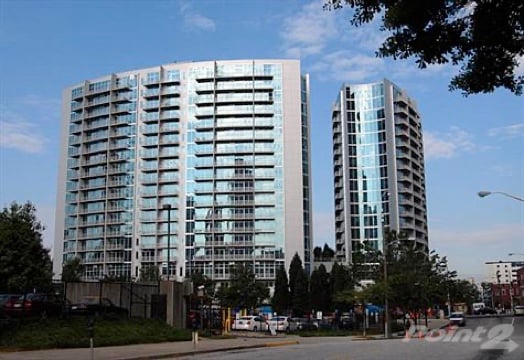
For Atlanta homeowners who have spent years maintaining a larger house, downsizing can be an opportunity to rethink how and where they want to live. Less space to maintain, fewer exterior responsibilities, and more convenient access to restaurants, parks, and cultural attractions can make condominium living particularly appealing.
But is Midtown Atlanta a good place to downsize?
For many homeowners, the answer is yes. Midtown offers a combination of condominium residences, walkable destinations, cultural institutions, and urban amenities that can make the transition from a traditional house to a smaller home worthwhile.
However, downsizing successfully involves more than choosing a property with fewer square feet. Buyers need to consider floor plans, storage, monthly ownership costs, parking, building amenities, and the financial condition of the condominium association.
Midtown Atlanta can be an excellent place to downsize for homeowners who want a more manageable residence without giving up convenient access to the activities and destinations they enjoy.
Here's what to consider before making the move.
Why Are Atlanta Homeowners Choosing to Downsize?
There are many reasons homeowners decide to move into smaller residences.
Some no longer need the additional bedrooms and living spaces that once accommodated a growing household. Others want to spend less time maintaining landscaping, managing exterior repairs, or overseeing a large property.
For some, downsizing is part of a broader lifestyle change that includes more travel, greater flexibility, or a desire to live closer to restaurants and entertainment.
Common motivations include:
- Reducing home maintenance responsibilities
- Moving from a multilevel home to single-level living
- Living closer to restaurants and cultural attractions
- Spending more time traveling
- Reducing unused living space
- Moving closer to friends or family
- Simplifying everyday routines
- Transitioning from a suburban lifestyle to urban living
However, downsizing does not automatically mean spending less money. Depending on the building, condominium ownership may involve substantial HOA fees and other expenses.
The goal should be finding a residence that better matches your lifestyle and financial priorities.
1. Midtown Offers a Different Approach to Everyday Living
One of the most appealing aspects of Midtown is the ability to enjoy many destinations without getting into a car.
For homeowners accustomed to driving to restaurants, entertainment, or parks, living in Midtown may create opportunities to spend more time exploring the neighborhood on foot.
Depending on the condominium's location, residents may have convenient access to:
- Piedmont Park
- Colony Square
- The High Museum of Art
- Atlanta Symphony Hall
- The Fox Theatre
- Alliance Theatre
- Restaurants and cafés
- Fitness studios
- Neighborhood retail
- MARTA rail stations
These amenities can be particularly attractive to buyers who want to spend less time maintaining a home and more time enjoying their surroundings.
2. Piedmont Park Can Replace the Need for a Large Yard
For many homeowners, giving up a private yard is one of the biggest adjustments involved in downsizing.
However, Midtown offers access to one of Atlanta's most recognizable public green spaces.
Piedmont Park provides walking paths, open lawns, recreational facilities, and opportunities to enjoy the outdoors.
For condominium residents, the park can become an important part of their daily routine.
Instead of maintaining landscaping or managing lawn care, residents may enjoy walking through the park, exercising outdoors, or meeting friends.
However, proximity varies by building.
A condominium near 14th Street or Piedmont Avenue may offer a different level of park convenience than one farther south or west.
Buyers should evaluate the actual walking route to the park rather than relying solely on a property's neighborhood description.
3. Midtown's Arts and Culture Scene Is a Major Advantage
For homeowners who enjoy museums, theater, concerts, and live performances, Midtown offers an especially appealing lifestyle.
The neighborhood is home to several of Atlanta's best-known cultural institutions.
The High Museum of Art
The High Museum offers exhibitions and programming that appeal to residents interested in art and design.
Atlanta Symphony Orchestra
Symphony Hall at the Woodruff Arts Center provides opportunities to attend orchestral performances and other musical events.
Alliance Theatre
The Alliance Theatre contributes to Midtown's performing arts community through theatrical productions and programming.
The Fox Theatre
The historic Fox Theatre hosts Broadway productions, concerts, comedy, and other performances.
For downsizers who want to spend more time enjoying cultural activities, living near these institutions can make attending events more convenient.
Instead of planning an evening around parking and driving, some residents may be able to walk to performances from their condominium.
4. Midtown Condos Can Offer Single-Level Living
Many homeowners considering downsizing are interested in eliminating stairs from their daily routines.
Condominium living can provide an opportunity to transition from a multilevel house to a residence where the main living spaces are located on one floor.
Potential advantages include:
- Bedrooms and living areas on one level
- Elevator access
- Less interior space to maintain
- Convenient access to shared amenities
- Reduced responsibility for exterior maintenance
However, buyers should evaluate accessibility carefully.
Not every condominium has the same elevator arrangements, entry access, hallway configuration, or bathroom design.
Buyers who prioritize long-term accessibility should consider the entire route from parking to the residence, not just the floor plan.
5. Downsizing Doesn't Have to Mean Living in a Small Condo
One misconception about downsizing is that buyers must move into a very small residence.
Midtown offers condominium floor plans ranging from compact one-bedroom units to larger two-bedroom and three-bedroom residences.
Some condominiums offer generous living rooms, separate dining areas, dens, and substantial primary suites.
For homeowners moving from a larger property, these layouts may provide a comfortable transition.
For example, a buyer leaving a 3,500-square-foot home may prefer a 1,500-square-foot condominium rather than a 900-square-foot unit.
The right size depends on how the owner uses the space.
Consider whether you need:
- A separate guest bedroom
- A home office
- A dining room
- Space for entertaining
- A large primary suite
- Additional storage
- Room for existing furniture
Downsizing is often more successful when buyers focus on usable space rather than minimizing square footage.
6. Storage Is One of the Most Important Considerations
Storage can become a significant challenge when moving from a detached home to a condominium.
Homeowners may be accustomed to having garages, attics, basements, utility rooms, and multiple closets.
Many condominium residences offer less storage than a traditional house.
Before purchasing, buyers should evaluate:
- Closet dimensions
- Kitchen storage
- Laundry room storage
- Pantry space
- Additional storage rooms
- Assigned storage lockers
- Building restrictions on stored items
Some Midtown condominium buildings offer separate storage units, but availability and ownership rights vary.
Buyers should confirm whether a storage unit is included, separately owned, assigned, or available for rent.
Related reading: Why Condo Storage Units Matter More Than Buyers Think.
7. Midtown Condo Living Can Reduce Exterior Maintenance Responsibilities
One of the primary reasons homeowners consider condominium living is the opportunity to reduce responsibility for exterior maintenance.
In a detached home, owners may be responsible for:
- Roof maintenance
- Exterior painting
- Landscaping
- Driveway repairs
- Gutter cleaning
- Exterior structural maintenance
In a condominium, many shared building components are maintained by the association.
However, the association's responsibilities depend on the condominium declaration and governing documents.
Owners remain responsible for certain interior maintenance and repairs, and they contribute financially to shared expenses through assessments.
Condominium living changes how maintenance responsibilities are managed. It does not eliminate maintenance costs.
8. Understanding HOA Fees Before Downsizing
Monthly HOA assessments are an important consideration when comparing condominium living with detached-home ownership.
Depending on the building, assessments may cover:
- Common-area maintenance
- Building insurance
- Property management
- Concierge services
- Shared amenities
- Utilities
- Reserve contributions
- Building security systems
However, services and expenses vary considerably between buildings.
A full-service condominium may have higher monthly assessments than a building with fewer amenities.
Buyers should evaluate the total cost of ownership rather than comparing the HOA fee with the cost of maintaining a detached home in isolation.
9. Does Downsizing to a Midtown Condo Save Money?
Sometimes, but not always.
Moving into a smaller residence may reduce certain expenses, such as interior maintenance, landscaping, or utility consumption.
However, Midtown condominium ownership can involve:
- Mortgage payments, if applicable
- Property taxes
- HOA assessments
- Condominium insurance
- Parking-related expenses
- Interior maintenance
- Potential special assessments
Consider this hypothetical monthly comparison:
Expense | Detached Home | Midtown Condo |
|---|---|---|
Property taxes | $650 | $450 |
Insurance | $300 | $100 |
Utilities | $350 | $200 |
HOA assessments | $0 | $850 |
Routine maintenance budget | $500 | $150 |
Illustrative monthly total | $1,800 | $1,750 |
These figures are hypothetical and exclude mortgage payments, transaction costs, special assessments, and other potentially significant expenses.
The example illustrates why buyers should compare total ownership costs rather than assuming that a smaller property will always be less expensive.
10. What About Special Assessments?
Special assessments are an important consideration when purchasing a condominium.
A special assessment is an additional charge that an association may impose to fund certain expenses beyond its regular budget.
These may include major projects such as:
- Elevator modernization
- Roof replacement
- Exterior repairs
- Parking garage restoration
- Major plumbing upgrades
- Building-system replacements
Buyers should review available financial statements, reserve information, and association meeting minutes to better understand potential future expenses.
Related reading: What Happens When a Condo Building Needs a Major Repair?.
11. Choosing Between an Older and Newer Midtown Condo
Midtown offers condominium buildings of different ages, architectural styles, and amenity levels.
Older buildings may feature established locations, traditional floor plans, and distinctive architectural details.
Newer buildings may offer contemporary finishes, modern amenities, and different layouts.
However, age alone does not determine quality or financial stability.
An older building with responsible maintenance and adequate reserves may be better positioned than a newer building with unresolved construction issues or financial concerns.
Buyers should evaluate:
- Building maintenance history
- Available reserve studies
- HOA financial statements
- Major completed capital projects
- Anticipated repairs
- Monthly assessments
- Insurance coverage
- Financing eligibility
12. Full-Service Condos Can Appeal to Downsizers
Some Midtown condominium buildings offer extensive amenities and services.
Depending on the property, these may include:
- Concierge services
- Controlled building access
- Fitness centers
- Swimming pools
- Resident lounges
- Package management
- Guest parking
- On-site management
For buyers who travel frequently or appreciate convenience, these services can be attractive.
However, they also contribute to operating expenses.
Buyers should consider which amenities they will actually use.
13. Is Midtown a Good Place to Downsize With a Dog?
Midtown can appeal to dog owners, particularly those who enjoy walking and spending time outdoors.
Piedmont Park offers walking paths and designated dog areas.
However, condominium buildings have different pet policies.
Buyers should verify:
- Number of pets permitted
- Pet registration requirements
- Weight or other restrictions
- Pet-related fees
- Elevator and common-area rules
- Access to convenient outdoor relief areas
A building near Piedmont Park may be attractive, but the specific pet rules and daily walking arrangements are equally important.
Related reading: What Makes a Condo Truly Pet-Friendly?.
14. Midtown Is Attractive for Frequent Travelers
For homeowners who want to travel more, condominium living may provide a convenient alternative to maintaining a detached house.
Some buildings offer controlled access, package management, and on-site services that can be helpful during extended absences.
Midtown also has access to MARTA rail service, which connects to Hartsfield-Jackson Atlanta International Airport.
However, travel convenience varies by building and transportation preferences.
Buyers should consider:
- Distance to MARTA
- Building security procedures
- Package handling
- Guest access
- Parking arrangements
- Rules regarding extended absences
- Maintenance responsibilities while traveling
15. Which Parts of Midtown Are Best for Downsizers?
Different sections of Midtown offer different lifestyles.
Near Piedmont Park
Buyers who prioritize walking, outdoor recreation, and green space may prefer locations near the park.
Condominiums around 12th Street, 14th Street, and nearby residential corridors may offer convenient access.
Near Colony Square
Residents who enjoy restaurants, neighborhood events, and cultural destinations may appreciate living near Colony Square.
This location also provides access to Midtown's arts district.
Along Peachtree Street
Peachtree Street appeals to buyers who enjoy an active urban environment with restaurants, entertainment, and cultural institutions.
However, traffic and street activity should be considered.
Along Piedmont Avenue
Piedmont Avenue offers connections to residential streets, neighborhood businesses, and Piedmont Park.
It may appeal to buyers seeking a balance between urban convenience and nearby outdoor space.
Related reading: Living on Piedmont Avenue: Midtown Atlanta Guide.
16. What About Midtown's Established Condominium Buildings?
Midtown includes established condominium communities with different floor plans, amenities, and ownership costs.
For example, Mayfair Renaissance at 195 14th Street NE is located near Colony Square, Piedmont Park, and Midtown's cultural district.
Depending on the residence, buyers may find larger floor plans, separate dining areas, or views of the surrounding city.
Other established Midtown buildings offer different combinations of amenities, floor plans, and locations.
For downsizers, the important consideration is finding a building that supports their preferred lifestyle.
A large residence in a full-service building may appeal to one buyer, while another may prefer a smaller condominium with fewer amenities and different monthly expenses.
17. How Important Is Parking When Downsizing?
Parking can be an important factor for buyers moving from detached homes with private garages.
Condominium parking arrangements vary by building.
Buyers should verify:
- Number of included spaces
- Whether spaces are deeded or assigned
- Covered parking availability
- Distance from parking to elevators
- Guest parking
- Garage access
- Electric vehicle charging
- Restrictions on transferring parking rights
For households with two vehicles, confirming the parking arrangement early can prevent disappointment.
Buyers should also consider whether parking spaces are conveniently located for everyday use.
18. What About Hosting Family and Friends?
One concern for downsizers is whether a smaller residence will comfortably accommodate visiting family and friends.
Buyers should consider how frequently they host overnight guests and entertain.
Potential features to prioritize include:
- A second bedroom
- A den or flexible room
- Separate dining space
- Comfortable living room dimensions
- Guest parking
- Building guest suites, where available
- Nearby hotels
For some buyers, a two-bedroom condominium offers an ideal balance between manageable square footage and flexibility.
Others may prefer a larger residence with a dedicated guest suite or home office.
19. Should You Sell Your House Before Buying a Midtown Condo?
One of the most important decisions in downsizing is how to coordinate the sale of the existing home with the purchase of the new residence.
Some homeowners need the proceeds from their current property to complete the condominium purchase.
Others may have sufficient resources to purchase first and sell later.
Potential strategies include:
- Selling the existing home before purchasing
- Making a purchase contingent on selling the current property
- Coordinating closings
- Exploring bridge financing
- Purchasing first when financially practical
Each approach has advantages and risks.
For example, selling first may provide greater certainty about available proceeds but could require temporary housing.
Buying first may offer more flexibility when selecting a condominium but can create overlapping ownership expenses.
Related reading: What Is a Home Sale Contingency?.
20. Should You Downsize Before Retirement?
Some homeowners choose to downsize before retirement rather than waiting until their housing needs change significantly.
Moving earlier may provide time to adjust to condominium living, explore a new neighborhood, and establish routines.
However, the right timing depends on financial circumstances, lifestyle goals, and personal preferences.
Buyers should consider whether their desired residence will continue to meet their needs over time.
Factors may include:
- Accessibility
- Elevator reliability
- Storage
- Proximity to services
- Monthly ownership costs
- Building maintenance
- Transportation options
Choosing a condominium with long-term functionality can help reduce the likelihood of needing another move sooner than expected.
21. What Are the Potential Drawbacks of Downsizing to Midtown?
Midtown condominium living offers many advantages, but it is not the right fit for everyone.
Potential drawbacks include:
- Less private outdoor space
- Reduced storage
- HOA fees
- Potential special assessments
- Building rules and restrictions
- Shared walls and common areas
- Elevator dependence
- Urban traffic and noise
- Less flexibility for certain renovations
For homeowners who enjoy gardening, maintaining a workshop, or having extensive private outdoor space, condominium living may require significant adjustments.
Buyers should be realistic about which aspects of their current lifestyle they are willing to change.
22. How to Choose the Right Midtown Condo for Downsizing
Before beginning a condominium search, identify the features that matter most.
Consider dividing priorities into essential requirements and preferences.
For example:
Essential Requirements | Preferred Features |
|---|---|
Two bedrooms | Separate dining room |
Elevator access | Concierge service |
Two parking spaces | Covered guest parking |
Adequate storage | Additional storage locker |
Comfortable monthly expenses | Fitness center |
Functional floor plan | Park or skyline view |
This approach can help buyers avoid becoming distracted by attractive amenities that do not address their actual needs.
23. Questions to Ask Before Downsizing to Midtown
- How much square footage do I actually need?
- Will my existing furniture fit comfortably?
- Do I need a dedicated guest bedroom?
- Is there enough storage?
- How important is private outdoor space?
- Do I want to walk to Piedmont Park?
- Would I use concierge or other building services?
- How many parking spaces do I need?
- What are the total monthly ownership costs?
- What do the HOA assessments cover?
- Are special assessments planned or pending?
- What major building repairs have been completed?
- Does the building have reliable elevator access?
- Are the pet policies compatible with my needs?
- How much urban noise am I comfortable with?
- Will the floor plan meet my needs five or ten years from now?
- Should I sell my existing home before purchasing?
- How does the condominium's asking price compare with recent sales?
Frequently Asked Questions About Downsizing to Midtown Atlanta
Is Midtown Atlanta a good place for empty nesters?
Midtown can appeal to empty nesters who want walkable amenities, cultural attractions, restaurants, and condominium living with fewer exterior maintenance responsibilities.
Is it cheaper to downsize to a Midtown condo?
Not necessarily. A smaller residence may reduce certain expenses, but HOA fees, property taxes, insurance, and potential special assessments can affect total ownership costs.
Are there large condos in Midtown Atlanta?
Yes. Midtown includes condominium residences with larger two-bedroom and three-bedroom floor plans, as well as smaller units. Availability varies by building and market conditions.
Can you live in Midtown without a car?
Some residents can comfortably live without a car or use one less frequently. However, transportation needs depend on work, shopping, appointments, and other activities.
Are Midtown condos good for frequent travelers?
They can be. Certain buildings offer controlled access, package management, and other services that may be useful for residents who travel regularly.
Is Midtown a good place to downsize with a dog?
Midtown can appeal to dog owners because of Piedmont Park and neighborhood walking opportunities. However, condominium pet policies vary by building.
Should I buy a one-bedroom or two-bedroom condo when downsizing?
The best choice depends on how you use your space. A two-bedroom residence may provide flexibility for guests, hobbies, or a home office, while a one-bedroom unit may offer a simpler layout and potentially lower ownership costs.
Do Midtown condos have high HOA fees?
HOA fees vary significantly. Buildings with extensive services and amenities may have different operating costs than lower-amenity properties. Buyers should evaluate what is included and the association's financial condition.
Should I sell my house before buying a condo?
That depends on your financial position, timing preferences, and whether you need sale proceeds to complete the purchase. A coordinated selling and buying strategy can help manage the transition.
Is Midtown better than Buckhead for downsizing?
Neither location is universally better. Midtown may appeal to buyers who prioritize walkability, arts and culture, and Piedmont Park, while Buckhead offers different residential settings, luxury condominium options, and neighborhood amenities.
Final Thoughts: Is Midtown Atlanta the Right Place to Downsize?
For many Atlanta homeowners, Midtown offers an attractive opportunity to simplify their living arrangements while remaining connected to the city.
Its combination of condominium residences, Piedmont Park, cultural institutions, restaurants, and walkable destinations can make everyday life more convenient and enjoyable.
However, a successful downsizing move requires careful consideration of floor plans, storage, parking, monthly expenses, and the financial condition of the condominium association.
Buyers should also consider how the residence will function over time, particularly if long-term accessibility and reduced maintenance responsibilities are important priorities.
The best downsizing decision is not necessarily the smallest condominium or the lowest monthly payment. It is the home that provides the right balance of comfort, convenience, financial sustainability, and lifestyle.
At The Agency Atlanta – Intown Office, we help homeowners throughout Atlanta navigate the transition from larger houses to condominium living.
Whether you're selling a home in Buckhead, Ansley Park, Morningside, Virginia-Highland, or another Atlanta neighborhood, our team can help you coordinate the sale of your existing property with the purchase of a Midtown condominium.
Considering downsizing to Midtown? Connect with The Agency Atlanta – Intown Office to explore condominium options, compare buildings, and develop a strategy for your next move.
This article is provided for general informational purposes. Condominium prices, HOA fees, building amenities, association policies, and market conditions vary. Buyers should verify property-specific information and consult appropriate professionals before making financial or real estate decisions.