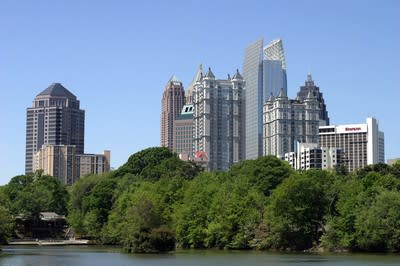
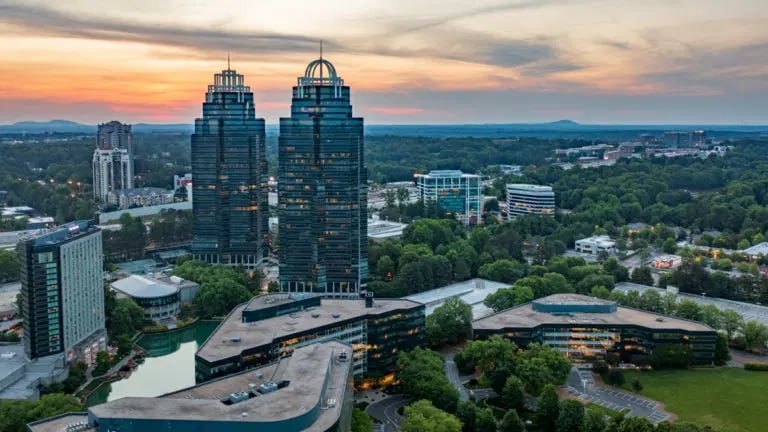
Midtown Atlanta continues to be one of the fastest-evolving urban neighborhoods in the Southeast. New residential towers, public space investments, infrastructure improvements, mixed-use developments, and institutional expansions are reshaping the skyline while further strengthening Midtown's appeal among buyers, renters, employers, and investors.
For homeowners, condo buyers, and investors, understanding upcoming development projects can provide valuable insight into future property values, walkability, lifestyle amenities, and long-term market demand.
This guide highlights several significant projects and improvements that are helping shape the future of Midtown Atlanta in 2026 and beyond.
To explore available properties in Midtown, browse Featured Listings and review Past Sales.
Midtown Green: A New Signature Public Park
One of the most significant projects currently planned for Midtown is the creation of Midtown Green, a new four-acre public park located at 98 14th Street. The project is being developed by Midtown Alliance and is envisioned as a major civic and cultural gathering space in the heart of Midtown. Concept plans include flexible event space, public art, performances, open lawns, and pedestrian-friendly design. :contentReference[oaicite:0]{index=0}
The project addresses a long-standing need for additional public open space within Midtown's dense urban environment and is expected to become a major neighborhood amenity once completed. :contentReference[oaicite:1]{index=1}
For nearby condo owners, enhanced public space often contributes positively to neighborhood desirability and long-term value.
Transformation of the 14th Street Corridor
Work is already underway on interim improvements at the former development site on 14th Street that will eventually become Midtown Green. Construction includes open lawn space, pedestrian pathways, and public gathering areas while longer-term park planning continues. :contentReference[oaicite:2]{index=2}
This project represents one of the largest opportunities for public-space expansion in Midtown in decades.
Juniper Complete Street Project
One of Midtown's most impactful infrastructure improvements recently reached completion: the Juniper Complete Street Project.
The project includes:
- Improved pedestrian crossings
- Protected bicycle infrastructure
- Traffic-calming measures
- Enhanced streetscaping
- Improved accessibility
The goal is to create a safer and more connected transportation corridor through Midtown while improving walkability and mobility for residents. Construction reached substantial completion in 2026. :contentReference[oaicite:3]{index=3}
Related reading: Living Close to MARTA in Midtown and Buckhead
New Residential Development Continues
While Midtown has seen an enormous amount of residential construction over the past decade, developers continue to identify opportunities for additional housing.
Midtown remains attractive because of:
- Strong job growth
- Corporate relocations
- MARTA access
- Walkability
- Proximity to Georgia Tech and major employers
The neighborhood's continued population growth supports demand for both rental and ownership housing. :contentReference[oaicite:4]{index=4}
Affordable Housing Expansion in Midtown
A notable project planned for Midtown involves the redevelopment of Fire Rescue Station No. 15 on 10th Street. Plans call for renovating the fire station while constructing a residential tower above it containing 282 apartments, including 86 affordable housing units that will remain affordable for 99 years. Groundbreaking is expected in 2026. :contentReference[oaicite:5]{index=5}
This project highlights Midtown's ongoing efforts to balance growth with housing affordability.
Healthcare and Institutional Growth
Healthcare continues to be a major driver of Midtown development.
Recent years have brought substantial investment from healthcare providers and institutions, including major expansions near Midtown's medical district. Projects such as Emory Winship at Midtown have added hundreds of thousands of square feet of healthcare facilities, strengthening Midtown's position as a regional medical hub. :contentReference[oaicite:6]{index=6}
Healthcare growth often creates additional housing demand from employees, patients, and affiliated businesses.
Continued Office and Employment Expansion
Midtown remains Atlanta's leading destination for new office development and technology-related employment growth.
Major office projects completed in recent years, including developments around Tech Square and West Peachtree, continue attracting employers and supporting long-term residential demand. Midtown's concentration of innovation, technology, healthcare, and education continues to drive economic activity. :contentReference[oaicite:7]{index=7}
Related reading: How Atlanta's Job Growth Impacts Home Prices
Mixed-Use Development Remains a Priority
Many newer Midtown projects continue emphasizing mixed-use design that combines residential, office, retail, hospitality, and public space components.
Buyers increasingly prioritize:
- Walkability
- Access to restaurants
- Public transit connectivity
- Entertainment options
- Live-work-play environments
Future development activity is expected to continue supporting these preferences. :contentReference[oaicite:8]{index=8}
What Development Means for Condo Owners
New development often generates mixed reactions among existing residents. While construction can create temporary inconvenience, long-term benefits frequently include:
- Improved neighborhood amenities
- Enhanced walkability
- Additional retail and dining options
- Infrastructure improvements
- Potential property value growth
For condo owners, nearby investments often strengthen the overall attractiveness of Midtown as a place to live.
How Midtown Compares to Other Atlanta Growth Areas
While areas such as Downtown, West Midtown, and the BeltLine corridor are also experiencing substantial growth, Midtown remains unique because of its combination of:
- Established residential towers
- Corporate headquarters
- Educational institutions
- Cultural attractions
- Transit accessibility
These factors continue positioning Midtown as one of Atlanta's most desirable urban neighborhoods.
What Buyers Should Watch
Buyers considering Midtown real estate should monitor:
- New residential inventory
- Public space investments
- Infrastructure improvements
- Transit enhancements
- Future zoning and development proposals
Development activity often influences long-term neighborhood value and quality of life.
Related reading: Atlanta Real Estate Forecast for the Coming Year
Work With Midtown Experts
Understanding how new development impacts individual buildings and neighborhoods requires local expertise. The team at The Agency Atlanta Intown closely follows Midtown development activity and helps buyers and sellers understand how upcoming projects may influence property values and market trends.
You can also explore Midtown's residential options through the Midtown Condo Buildings Directory.
Final Thoughts
Midtown Atlanta continues evolving through a combination of new residential projects, public-space investments, transportation improvements, and economic growth. Projects such as Midtown Green, the Juniper Complete Street initiative, affordable housing developments, and ongoing mixed-use investments are helping shape the neighborhood's future.
For buyers, sellers, and investors, these improvements reinforce Midtown's position as one of Atlanta's most dynamic and desirable places to live.
If you are considering buying or selling real estate in Midtown Atlanta, contact The Agency Atlanta Intown to discuss current opportunities and neighborhood trends.