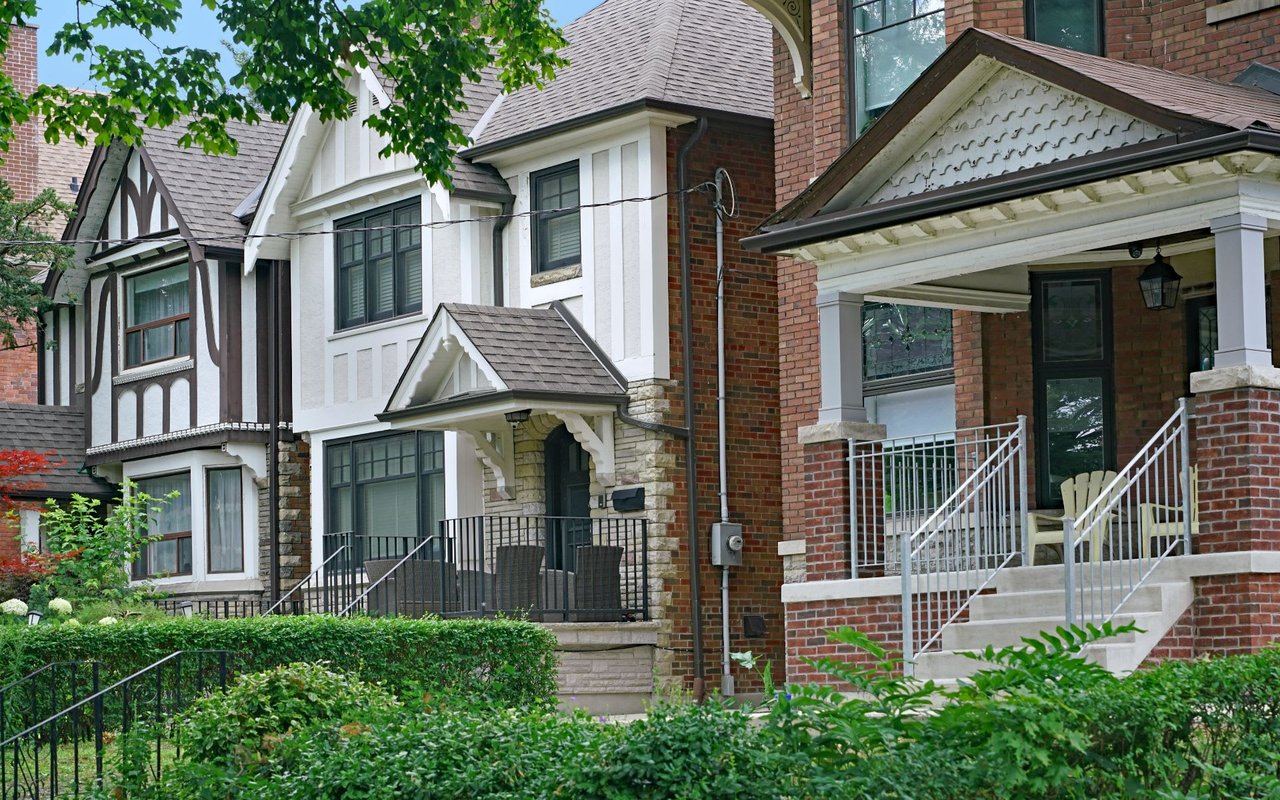
Buyer demand is one of the most important factors affecting how quickly a home sells and what price it ultimately commands. While many sellers focus on their home's features or recent comparable sales, understanding buyer demand can help shape better pricing, marketing, and negotiation strategies.
In Atlanta neighborhoods such as Midtown, Buckhead, Virginia Highland, and Sandy Springs, buyer demand can vary significantly depending on inventory levels, interest rates, seasonality, and local market conditions.
This guide explains what sellers should know about buyer demand and how to use that knowledge to achieve better results.
To understand current market activity, review Past Sales and compare active inventory through Featured Listings.
What Is Buyer Demand?
Buyer demand refers to the number of active buyers looking for homes relative to the number of homes available for sale.
When buyer demand is high and inventory is low, sellers typically benefit from:
- More showings
- Multiple offers
- Stronger negotiating leverage
- Faster sales
- Higher sale prices
When buyer demand slows, sellers may need to adjust pricing and expectations accordingly.
Why Buyer Demand Matters
Even the most attractive home can struggle if buyer demand is weak. Conversely, a well-positioned property may receive significant attention when demand is strong.
Understanding demand helps sellers answer important questions such as:
- How aggressively should the home be priced?
- How quickly should offers be expected?
- How much negotiating flexibility should be anticipated?
- What level of marketing is required?
Inventory Levels Directly Affect Demand
One of the easiest ways to evaluate buyer demand is by examining inventory levels.
- Low inventory generally increases competition among buyers.
- High inventory gives buyers more choices and reduces urgency.
In areas like Midtown, where buyers may compare multiple condos within the same building, inventory levels can significantly influence how quickly a property sells.
Related reading: Condo Supply vs Demand in Midtown Atlanta.
Interest Rates Influence Buyer Activity
Mortgage rates play a major role in buyer demand. When rates rise, affordability decreases, causing some buyers to delay purchasing decisions. When rates fall, more buyers often enter the market.
Changes in financing costs can quickly impact the number of active buyers.
Related reading:
Different Neighborhoods Experience Different Demand
Not every Atlanta neighborhood experiences buyer demand in the same way.
- Midtown often attracts professionals, condo buyers, and relocation clients.
- Buckhead attracts luxury buyers, executives, and downsizers.
- Virginia Highland benefits from strong demand due to walkability and limited inventory.
- Sandy Springs often attracts families and relocating buyers seeking more space.
Understanding the specific buyer pool for your neighborhood is critical.
Buyer Demand Changes Throughout the Year
Seasonality affects buyer activity across Atlanta.
Typically:
- Spring brings the highest buyer activity.
- Summer remains active but may slow during vacations.
- Fall often attracts serious buyers with specific timelines.
- Winter generally sees lower activity, though motivated buyers remain active.
Timing can influence how much demand a property receives.
Online Activity Can Reveal Buyer Interest
Today's buyers often begin their search online. Listing performance data can provide clues about demand.
Indicators include:
- Property website traffic
- Listing views
- Saved searches
- Showing requests
- Inquiry volume
Strong online engagement often precedes stronger showing activity.
What Buyers Are Looking for Today
While preferences vary, many buyers currently prioritize:
- Updated kitchens and bathrooms
- Move-in-ready condition
- Home office space
- Outdoor living areas
- Walkability and convenience
- Energy efficiency and modern systems
Homes that align with current buyer preferences often generate stronger demand.
Condo Sellers Must Understand Building-Level Demand
Condo sellers face a unique challenge because buyers often compare units within the same building.
Factors affecting condo demand include:
- HOA fees
- Building amenities
- Views and floor level
- Recent sales within the building
- Rental restrictions
Buyers frequently evaluate multiple units before making a decision.
Explore comparable buildings through the Atlanta Condo Buildings Directory.
How Sellers Can Respond to Changing Demand
Sellers cannot control market conditions, but they can adapt their strategy.
When demand is strong:
- Focus on maximizing exposure.
- Price strategically to encourage competition.
- Prepare for multiple-offer situations.
When demand softens:
- Ensure pricing remains competitive.
- Invest in presentation and staging.
- Be flexible with showings and negotiations.
Common Mistakes Sellers Make
Sellers sometimes misinterpret buyer demand by:
- Overpricing based on past market conditions
- Ignoring competing inventory
- Assuming all neighborhoods behave the same
- Failing to respond to market feedback
Related reading: Common Seller Mistakes to Avoid.
Work With Experienced Local Experts
Understanding buyer demand requires more than looking at headlines. Local market knowledge, neighborhood trends, and real-time buyer activity all contribute to successful decision-making.
The team at The Agency Atlanta Intown helps sellers evaluate buyer demand, position their homes effectively, and adapt to changing market conditions.
Final Thoughts
Buyer demand is one of the most powerful forces affecting home sales. Sellers who understand what drives demand—and how it impacts pricing, marketing, and negotiations—are often better positioned to achieve strong results.
If you are considering selling a home in Midtown, Buckhead, Virginia Highland, Sandy Springs, or anywhere intown Atlanta, contact The Agency Atlanta Intown for guidance on current market conditions and buyer activity.