For buyers who like Buckhead but prefer a quieter residential setting to a high-rise or heavily commercial environment, Garden Hills can be an especially appealing option. The neighborhood sits between Peachtree Road and Piedmont Road, with Pharr Road to the north and Lindbergh Drive to the south, placing residents close to Buckhead Village, restaurants, schools, offices, and everyday conveniences while still offering winding streets and established homes.
But Garden Hills is not a uniform neighborhood. Housing ranges from early 20th-century Tudor, Georgian, Spanish Revival, and Craftsman homes to ranch houses, newer construction, multifamily properties, and nearby condominium options. Buyers should understand those differences before deciding where and what to purchase.
Explore our Garden Hills neighborhood guide, browse Atlanta homes for sale, or contact The Agency Atlanta Intown for help evaluating current Garden Hills opportunities.
Where Is Garden Hills?
Garden Hills is located in the heart of Buckhead between Peachtree Road and Piedmont Road. Its northern boundary is generally Pharr Road, while Lindbergh Drive forms the southern edge.
That location gives residents relatively quick access to:
- Buckhead Village
- Peachtree Road
- Lenox Square
- Phipps Plaza
- Midtown
- MARTA
- Major Buckhead employment centers
Garden Hills can therefore feel much more residential than much of Buckhead while still being surrounded by urban conveniences.
Garden Hills Has Been Around for More Than a Century
Garden Hills began developing in 1925 and celebrated its centennial in 2025. The community was originally envisioned around a country-club-style concept with a pool and recreation center at its heart. Its oldest streets later received historic district status in 1987.
That history is still visible today.
Instead of a neighborhood filled with homes from a single construction period, Garden Hills contains several architectural eras layered together over time.
What Types of Homes Will Buyers Find?
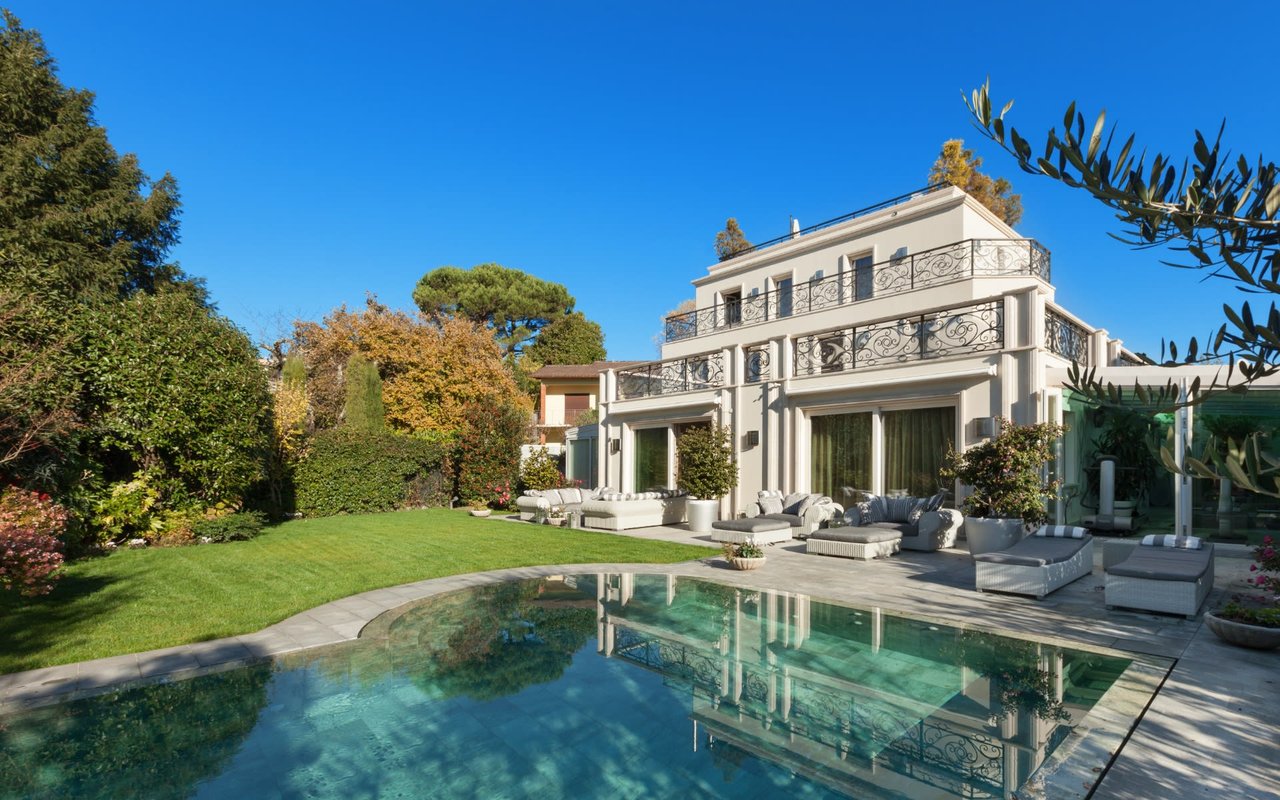
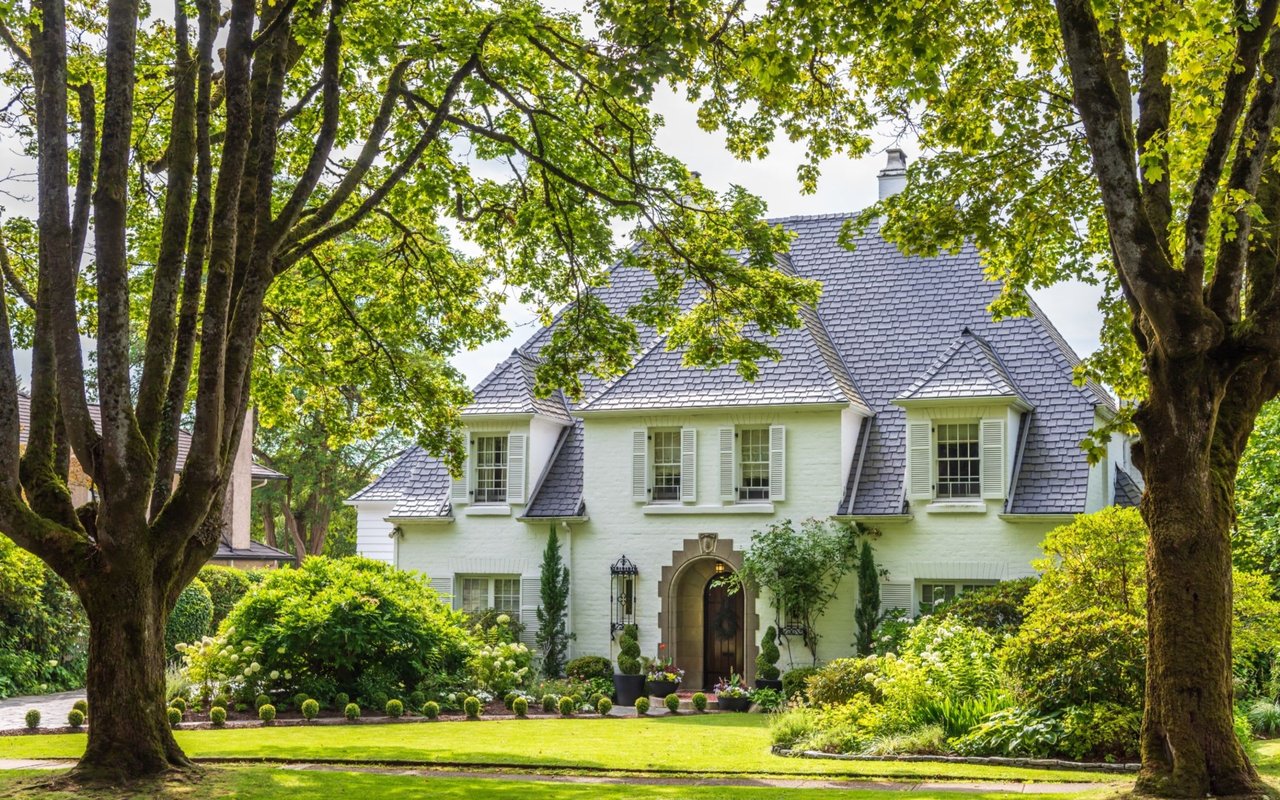
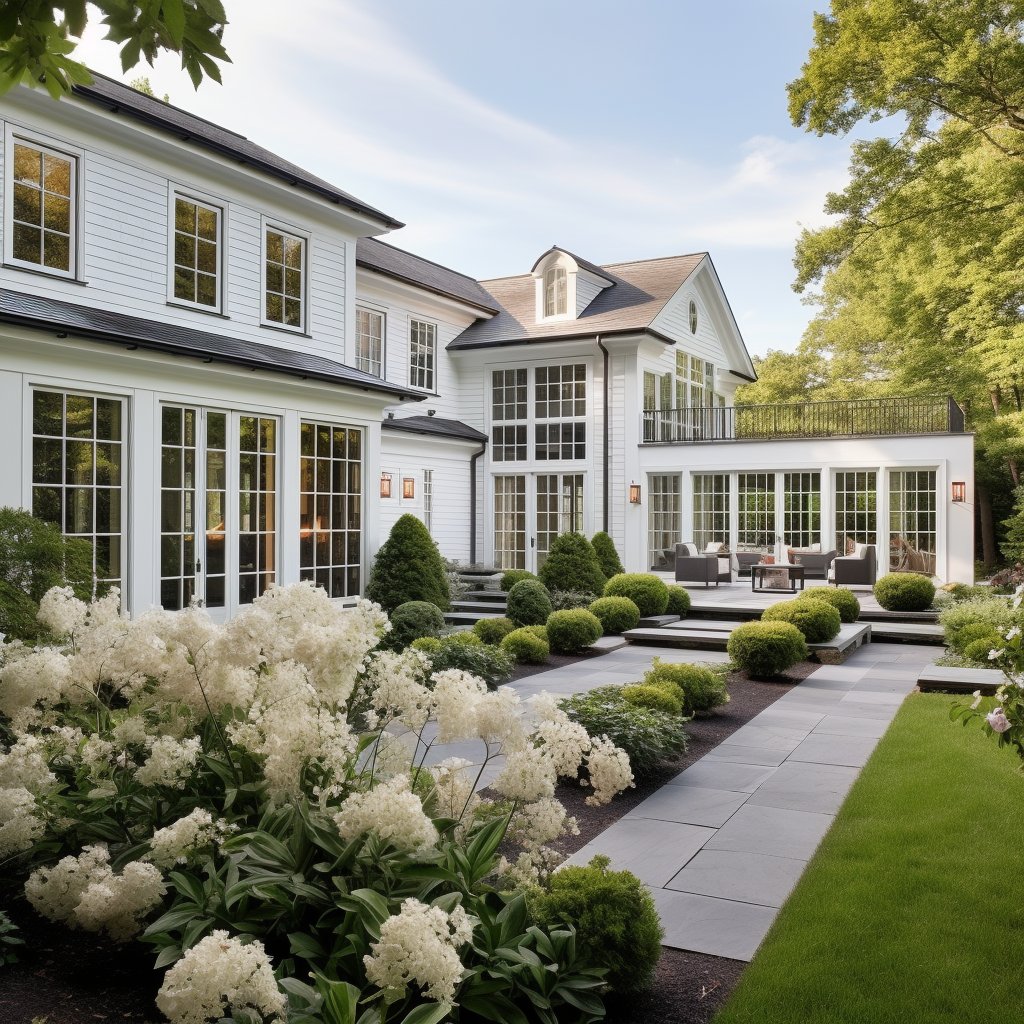
One of Garden Hills’ strongest features is its architectural variety.
Older sections include homes influenced by:
- Georgian architecture
- Tudor Revival
- Spanish Revival
- Craftsman design
- Colonial Revival
Areas developed after World War II contain more ranch-style homes, while later infill and redevelopment have introduced larger traditional and contemporary residences.
This means buyers may find everything from a relatively modest historic cottage to a substantially renovated luxury residence within a short distance.
Historic Character Is a Major Part of the Appeal
Buyers drawn to Garden Hills often appreciate features that newer subdivisions cannot easily reproduce.
Depending on the property, these may include:
- Brick construction
- Arched doorways
- Original fireplaces
- Hardwood floors
- Detailed millwork
- Older-growth landscaping
- Established tree canopy
For many buyers, these characteristics are part of what justifies paying a premium for an established Intown neighborhood.
Older Homes Require More Due Diligence
The charm of an older Garden Hills home should be evaluated alongside the realities of maintaining it.
Before purchasing, buyers should investigate:
- Roof age
- HVAC systems
- Plumbing
- Electrical systems
- Windows
- Foundation and drainage
- Sewer lines
- Water intrusion
- Past additions or renovations
A beautifully renovated kitchen does not necessarily mean the plumbing, electrical, roof, or drainage systems have been modernized.
Related reading: What Is a Home Inspection and What It Covers
Renovated Homes Can Carry a Significant Premium
Garden Hills buyers often face a choice between purchasing an older home that still needs work and paying more for a fully renovated property.
That decision should be based on more than cosmetic finishes.
When comparing renovated homes, ask:
- Was the work permitted?
- Were major systems replaced?
- Was the floor plan improved?
- Was the renovation consistent with the home’s architecture?
- How long ago was the work completed?
A high-quality renovation that addresses both appearance and infrastructure may justify a substantial premium over an older home requiring years of work.
New Construction Offers a Different Experience
Garden Hills also includes newer construction and substantial redevelopment.
Newer homes may offer:
- Larger kitchens
- Open floor plans
- Modern primary suites
- More closets
- Higher ceilings
- Energy-efficient systems
- Attached garages
- Modern smart-home technology
For some buyers, these conveniences outweigh the architectural character of an older residence.
For others, an oversized new home on a smaller historic lot may feel less connected to what attracted them to Garden Hills in the first place.
Lot Quality Matters
Two houses with similar square footage can have very different value depending on the lot.
Consider:
- Lot width
- Rear-yard usability
- Topography
- Drainage
- Privacy
- Tree coverage
- Driveway access
- Proximity to busy roads
A level backyard with privacy may be worth considerably more to a buyer than a steep or highly exposed lot.
Pay Attention to the Street, Not Just the Neighborhood
Garden Hills is compact, but individual streets can feel different.
Some are particularly quiet and residential, while properties closer to Peachtree Road, Piedmont Road, Pharr Road, or other major corridors may experience more traffic or commercial activity.
Before buying, visit the property:
- During morning rush hour
- In the evening
- On a weekend
The home may feel very different at 10 a.m. on Tuesday than at 5:30 p.m. on Friday.
Garden Hills Has an Unusually Strong Park Network
The neighborhood includes four City of Atlanta parks: Garden Hills Park, Sunnybrook Park, Alexander Park, and Bagley Park. It is also home to the historic Garden Hills Pool and recreation center.
These spaces contribute to the neighborhood’s residential character and give buyers access to green space without needing to leave the immediate community.
The Garden Hills Pool Is a Neighborhood Landmark
The pool was part of the community’s original planning concept and remains one of Garden Hills’ most recognizable amenities.
For buyers who value a neighborhood-centered lifestyle, amenities like this can matter as much as proximity to restaurants or shopping.
Schools Are a Major Consideration for Many Buyers
Garden Hills is home to several schools, including Garden Hills Elementary, Atlanta International School, and Christ the King School. The neighborhood is within Atlanta Public Schools, although buyers should always verify the current school assignment for a particular address directly with the appropriate school system.
School attendance zones can change, so they should never be assumed based solely on neighborhood name.
Atlanta International School Is Located in the Neighborhood
The buildings now occupied by Atlanta International School date to the early 1930s, when they were constructed for North Fulton High School.
Its presence is one of several factors that give Garden Hills a particularly established institutional and residential character.
Walkability Varies Depending on Where You Live
Garden Hills is not uniformly walkable in the same way as Midtown or a dense BeltLine neighborhood.
However, homes toward the Peachtree Road side can place residents within walking distance of:
- Buckhead Village
- Restaurants
- Grocery options
- Retail
- Coffee shops
- Fitness studios
Meanwhile, interior streets may offer a quieter environment with more of a traditional residential feel.
Garden Hills Offers an Interesting Urban-Suburban Balance
One reason Garden Hills attracts a wide range of buyers is that it can provide a suburban-style residential setting without requiring a move outside the city.
Residents can live on a tree-lined street while remaining near Buckhead’s office towers, shopping, restaurants, and entertainment.
That combination can appeal to buyers who want more space and privacy than a condo offers without giving up an Intown location.
How Much Do Homes Cost in Garden Hills?
Garden Hills covers a broad range of property types, so neighborhood-wide averages can be misleading.
Realtor.com reported a median sold price of approximately $800,000 for the neighborhood as of June 2026, while the median listing price was approximately $550,000. That gap partly reflects the mix of condos, smaller residences, and higher-value single-family homes included in neighborhood-wide data.
Homes.com describes two- and three-bedroom houses as generally beginning in the mid-$600,000s and extending into the $900,000s, while larger four- and five-bedroom homes frequently move into the $1 million to $2 million range, with some substantially larger properties reaching higher.
These figures should be treated as broad context rather than a valuation tool. In Garden Hills, street, lot, condition, renovation quality, architecture, and exact property type can create major differences in value.
Do Not Rely Too Heavily on Price Per Square Foot
Price per square foot can provide useful context, but it is particularly imperfect in an older neighborhood.
Two Garden Hills homes may have the same square footage while differing substantially in:
- Condition
- Lot
- Renovation quality
- Architecture
- Parking
- Basement space
- Outdoor living
Comparable sales should be chosen carefully rather than relying on a neighborhood-wide average.
What About Condos?
Although Garden Hills is best known for single-family homes, condominium options exist near the neighborhood’s commercial edges and along Peachtree Road.
This can give buyers a way to remain close to Garden Hills while choosing a lower-maintenance lifestyle.
Homes.com notes that condo options range from older, more modestly priced units to newer luxury residences exceeding $1 million.
Explore Buckhead condo buildings if a condominium lifestyle is part of your search.
Traffic and Commuting Should Be Tested Personally
Garden Hills is exceptionally convenient geographically, but Buckhead traffic can still affect travel times.
Before purchasing, test your actual commute rather than simply measuring distance.
Consider access to:
- Peachtree Road
- Piedmont Road
- GA-400
- I-85
- MARTA
A home that is only a few miles from work may still have a very different commute depending on the time of day.
Parking and Garages Can Be Surprisingly Important
Historic neighborhoods were not designed around today’s number and size of vehicles.
Some older Garden Hills properties may have:
- Narrow driveways
- Detached garages
- Carports
- Limited turnaround space
- No garage at all
If garage parking is important, verify the size and functionality rather than assuming a listed garage will accommodate your vehicles comfortably.
Trees Are an Asset, but They Require Maintenance
Garden Hills’ mature hardwood canopy is a defining neighborhood feature.
But mature trees can also create maintenance considerations.
Before purchasing, buyers may want to evaluate:
- Tree health
- Branches over the roof
- Root systems
- Drainage
- Leaf and gutter maintenance
A qualified arborist may be useful when a property contains particularly large or potentially problematic trees.
Drainage Deserves Special Attention
With older homes, mature landscaping, rolling terrain, and decades of additions and modifications, drainage should receive careful attention during due diligence.
Look for:
- Standing water
- Foundation staining
- Basement moisture
- French drains
- Sump pumps
- Gutter discharge locations
- Grading toward the house
Water management can be one of the most important long-term maintenance considerations in an older Intown property.
Renovation Restrictions Should Be Researched Early
Because portions of Garden Hills have historic status, buyers planning significant exterior changes should understand what local rules may apply before purchasing.
If your plan involves:
- Major additions
- Demolition
- Exterior alterations
- Garage construction
- Major window changes
research zoning, historic requirements, permitting, setbacks, and tree regulations during the due-diligence process.
Do not assume that because a neighboring home completed a particular renovation, the same project will automatically be permitted on another property.
Consider Renovation Costs Before Buying a “Project”
An unrenovated Garden Hills home may provide a lower entry price, but buyers should compare that discount with the actual cost and complexity of renovation.
Factor in:
- Architectural plans
- Permits
- Construction
- Temporary housing
- Landscaping restoration
- Contingency reserves
A property that appears to be a bargain may not remain one after a large-scale renovation.
Resale Should Be Part of the Purchase Decision
Even if you plan to remain in Garden Hills for many years, think about what the next buyer is likely to value.
Features that can broaden resale appeal include:
- Functional bedroom count
- Updated primary suite
- Good kitchen layout
- Usable backyard
- Off-street parking
- Home-office space
- Strong natural light
- Well-maintained major systems
A highly personal renovation may work beautifully for one household while narrowing the future buyer pool.
Garden Hills vs. Other Buckhead Neighborhoods
Garden Hills is one of several established residential communities within Buckhead.
Compared with some surrounding areas, it often appeals to buyers looking for:
- Historic architecture
- Smaller-scale neighborhood streets
- Walkability to Buckhead amenities
- Parks and community facilities
- Access to both houses and nearby condos
Buyers seeking much larger estate lots may prefer other parts of Buckhead, while buyers prioritizing maximum walkability and low maintenance may gravitate toward a high-rise condominium.
Explore our Buckhead neighborhood guide for a broader comparison.
Who Is Garden Hills Best For?
Garden Hills may be especially appealing if you want:
- A residential neighborhood within Buckhead
- Historic homes and architectural variety
- Mature trees
- Local parks
- Access to restaurants and shopping
- Proximity to major employment centers
- A neighborhood with a long-established community identity
Who Might Prefer Another Neighborhood?
Garden Hills may be less ideal if you:
- Want new construction exclusively
- Prefer very large estate lots
- Do not want to maintain an older home
- Want a completely car-free lifestyle
- Prefer a suburban community farther from city activity
10 Questions to Ask Before Buying in Garden Hills
- What major systems have been replaced or updated?
- Was previous renovation work permitted?
- How does the lot drain after heavy rain?
- Are there historic or zoning restrictions affecting future plans?
- How does traffic affect this particular street?
- Is the parking or garage adequate for my needs?
- What comparable homes have sold nearby?
- How much renovation or deferred maintenance remains?
- What is the current school assignment for this address?
- Will this home appeal to future buyers as well as to me?
Final Thoughts
Garden Hills offers something increasingly difficult to find in Atlanta: a mature, historically rooted residential neighborhood positioned directly beside one of the city’s largest business, shopping, and dining districts.
Its winding streets, established tree canopy, parks, neighborhood pool, architectural variety, and convenient Buckhead location give buyers a distinctive combination of city access and residential character.
The tradeoff is that buying here can require more careful property-level due diligence than purchasing in a newer subdivision. Age, renovations, lot quality, drainage, historic considerations, parking, and maintenance can vary considerably from house to house.
For the right buyer, that individuality is part of Garden Hills’ appeal.
If you're considering buying or selling in Garden Hills, contact The Agency Atlanta Intown. Our team can help you compare current listings, recent sales, renovation quality, lot differences, and nearby Buckhead alternatives so you can determine which property offers the strongest fit for your lifestyle and long-term goals.