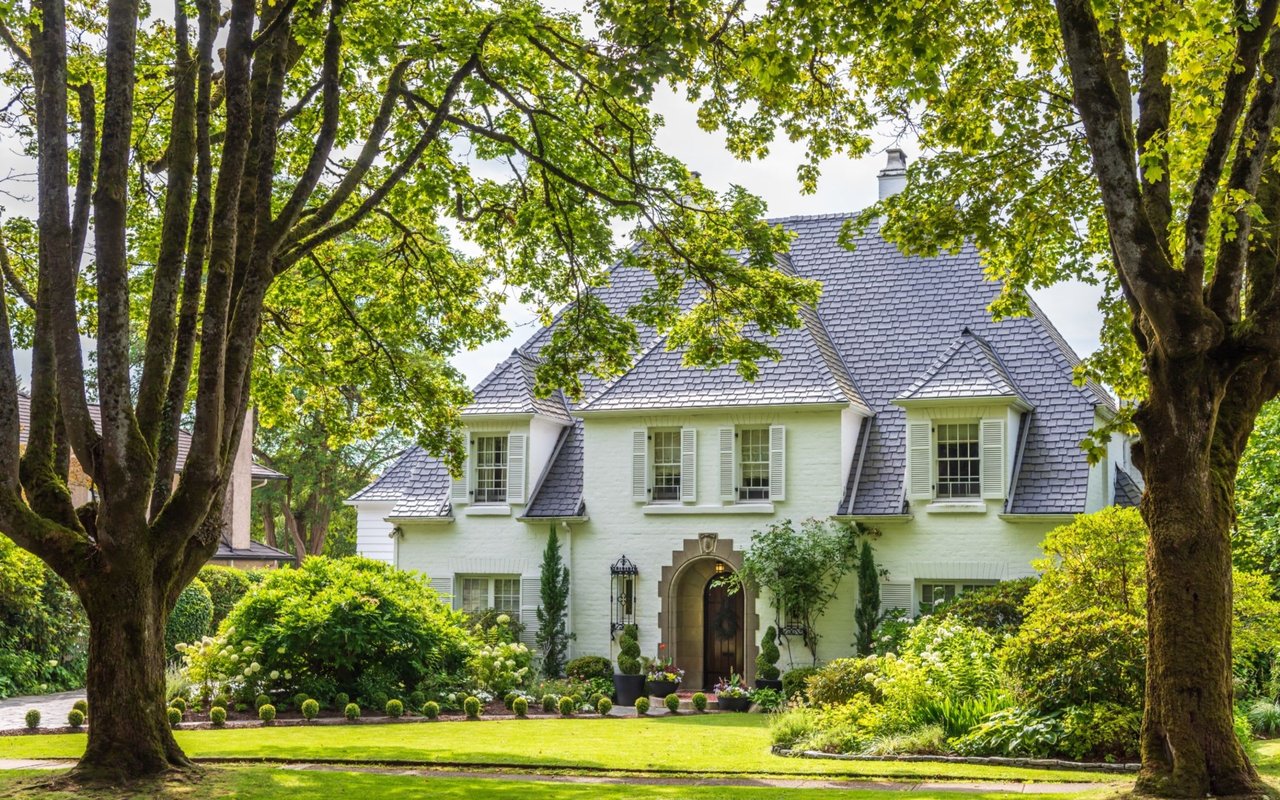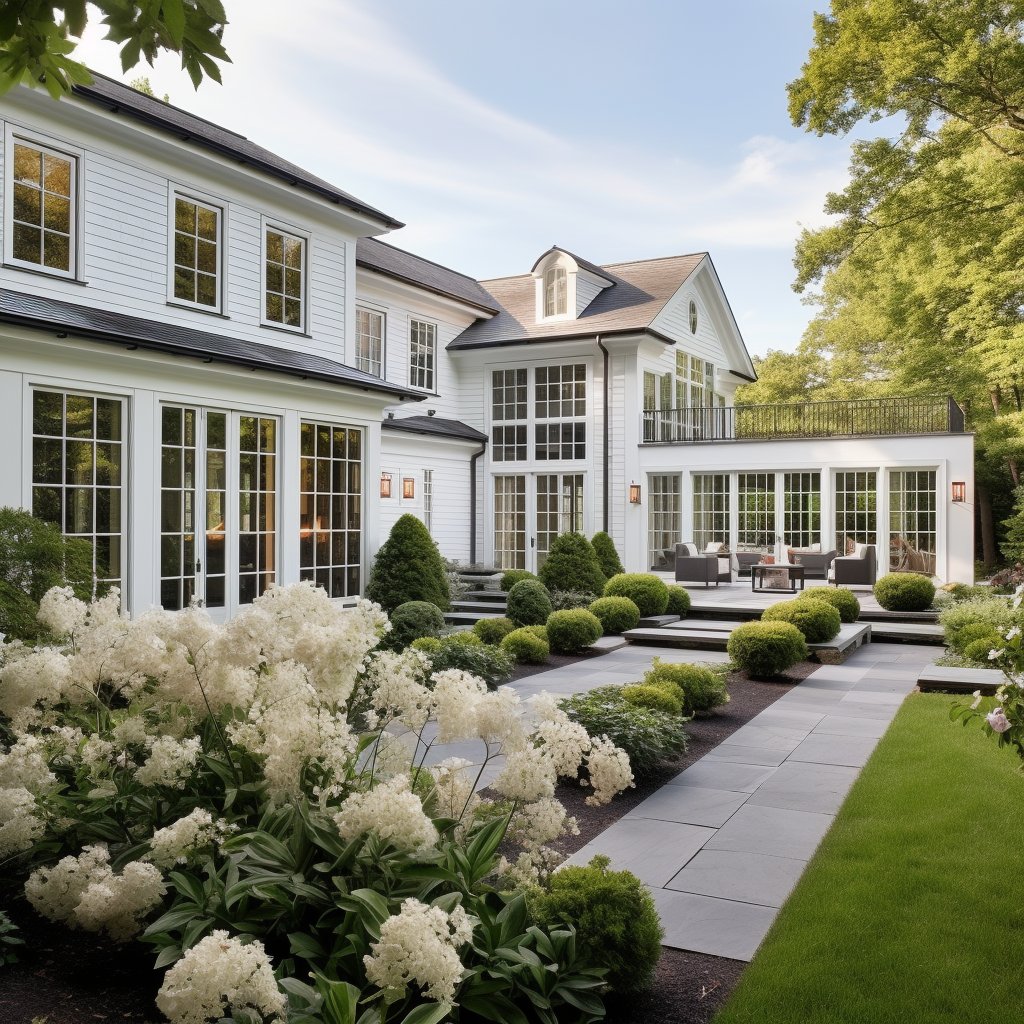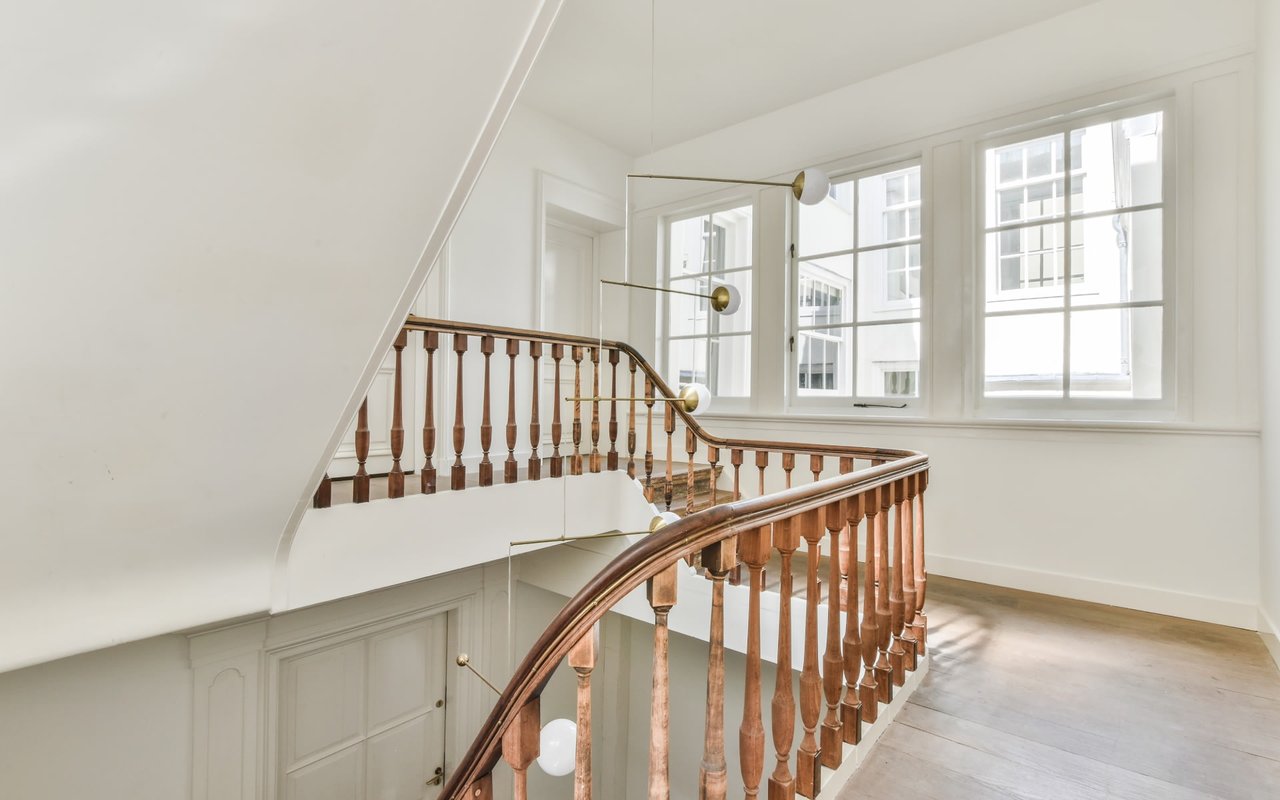
Downsizing does not necessarily mean moving to a condominium, leaving the city, or sacrificing the lifestyle you enjoy. For many Atlanta homeowners, downsizing is an opportunity to find a home that better matches their current needs while maintaining access to the neighborhoods, restaurants, parks, and cultural amenities they value.
Virginia-Highland is one of Atlanta's most appealing neighborhoods for buyers considering this transition.
Known for its historic homes, tree-lined streets, neighborhood restaurants, independent shops, and proximity to Piedmont Park, Virginia-Highland offers a distinctive combination of residential character and urban convenience.
But is Virginia-Highland the right place to downsize?
For buyers who want a smaller home without giving up the experience of living in an established Intown neighborhood, Virginia-Highland deserves serious consideration.
However, its housing stock, property prices, renovation requirements, and maintenance considerations mean that downsizing here requires thoughtful planning.
Here is what prospective buyers should know about downsizing to Virginia-Highland.
Why Virginia-Highland Appeals to Downsizers
Virginia-Highland offers something that can be difficult to find in many suburban communities: a traditional residential neighborhood with convenient access to everyday amenities.
Residents can enjoy attractive streets, established architecture, neighborhood restaurants, and nearby parks without necessarily depending on a car for every outing.
For homeowners moving from larger properties, this can represent an appealing lifestyle change.
Instead of maintaining an expansive home and substantial grounds, buyers may prefer a more manageable residence while remaining connected to an active neighborhood.
Common priorities among downsizers include:
- Less interior space to maintain
- A smaller yard
- Convenient access to restaurants and shops
- Walkable surroundings
- Proximity to parks and outdoor recreation
- A functional floor plan
- Reduced home maintenance
- Convenient access to healthcare and services
- Long-term flexibility
Virginia-Highland can satisfy many of these preferences, although the right property will depend on the buyer's individual priorities.
Where Is Virginia-Highland?
Virginia-Highland is an established Intown Atlanta neighborhood located east of Midtown and near Piedmont Park.
The neighborhood is associated with North Highland Avenue and Virginia Avenue, where restaurants, shops, and other local businesses contribute to its recognizable commercial district.
Its location provides access to several nearby neighborhoods, including Midtown, Morningside, Poncey-Highland, and Old Fourth Ward.
For downsizers who want to remain close to Atlanta's cultural destinations and everyday conveniences, this central location can be a significant advantage.
Explore our Virginia-Highland neighborhood guide for more information.
1. Downsizing in Virginia-Highland Is About Lifestyle, Not Just Square Footage
When homeowners begin thinking about downsizing, they often focus on reducing the size of their home.
But square footage is only part of the decision.
A successful move should also improve how the home functions and how the surrounding neighborhood supports daily life.
For example, a buyer may move from a large suburban residence to a smaller Virginia-Highland bungalow and gain convenient access to restaurants, parks, and neighborhood activities.
Another buyer may discover that a smaller historic home still requires considerable maintenance and renovation.
The goal should be to find a property that simplifies daily life rather than simply purchasing fewer square feet.
2. What Types of Homes Are Available in Virginia-Highland?
Virginia-Highland is known for its established residential architecture.
Unlike neighborhoods dominated by newly constructed subdivisions, the housing stock includes a variety of older homes, renovated properties, and select newer residences.
Buyers may encounter:
- Craftsman bungalows
- Traditional brick homes
- Tudor-inspired residences
- Renovated historic properties
- Smaller detached homes
- Townhomes in select locations
- Condominiums in and around the broader neighborhood
For downsizers, the diversity of housing options can be appealing.
However, availability varies, and finding a smaller home with the right floor plan may require patience.
3. Why Bungalows Appeal to Downsizers
One of Virginia-Highland's most recognizable housing styles is the bungalow.
Many buyers appreciate bungalows for their architectural character, inviting front porches, and relatively approachable scale.
Depending on the property, a bungalow may offer:
- A manageable interior footprint
- Primary living spaces on one level
- Traditional room proportions
- A front porch
- A smaller yard
- Distinctive architectural details
For someone leaving a large multistory residence, a thoughtfully renovated bungalow may offer a more convenient arrangement.
However, not every bungalow is suitable for downsizing.
Some have narrow hallways, steep basement stairs, limited storage, or older mechanical systems.
Buyers should evaluate the actual layout and condition rather than assuming the architectural style automatically provides easier living.
4. Single-Level Living Can Be an Important Advantage
For some downsizers, one of the primary goals is reducing the need to navigate stairs.
Virginia-Highland includes homes with main-level living areas and bedrooms, although layouts vary considerably.
When evaluating properties, consider:
- Whether the primary bedroom is on the main level
- Location of the laundry room
- Number of steps at entrances
- Bathroom accessibility
- Hallway widths
- Access between the garage or parking area and the home
- Whether essential rooms are on the same floor
A home with fewer square feet may still be inconvenient if essential rooms are spread across several levels.
For long-term ownership, floor-plan functionality may matter more than total home size.
5. Walkability Is One of Virginia-Highland's Biggest Attractions
Virginia-Highland is widely appreciated for its neighborhood-oriented commercial areas and residential streets.
Depending on where a property is located, residents may be able to walk to restaurants, coffee shops, boutiques, and other local businesses.
For downsizers, this can create a meaningful lifestyle change.
Instead of driving for every meal or errand, some daily activities may be within walking distance.
However, walkability is not uniform throughout the neighborhood.
Buyers should evaluate:
- Actual distance to shops and restaurants
- Sidewalk conditions
- Street crossings
- Traffic patterns
- Hills and changes in elevation
- Street lighting
- Accessibility of preferred destinations
A property located several blocks from the commercial district may offer a different experience than one immediately adjacent to it.
6. Restaurants and Neighborhood Amenities
One of the pleasures of Virginia-Highland living is access to its neighborhood dining and shopping scene.
North Highland Avenue and Virginia Avenue form an important part of the area's commercial identity.
Residents can enjoy a mix of restaurants, cafés, shops, and services without necessarily traveling to a major shopping center.
For homeowners accustomed to larger suburban properties, the ability to walk to dinner or meet friends nearby can become an important part of daily life.
However, buyers should also consider the trade-offs of living near active commercial areas.
Properties close to restaurants and nightlife may experience more pedestrian activity, parking demand, and evening noise than homes on quieter residential streets.
7. Proximity to Piedmont Park
Virginia-Highland's proximity to Piedmont Park is another appealing feature.
The park offers opportunities for walking, outdoor recreation, community events, and enjoying green space within the city.
For downsizers who want to remain active without maintaining a large private yard, access to public parks can be particularly valuable.
Rather than caring for extensive landscaping at home, residents may prefer enjoying nearby public green spaces.
However, walking distance to Piedmont Park varies by property.
Buyers should evaluate the actual route and accessibility from the homes they are considering.
8. Access to the Atlanta BeltLine
Virginia-Highland also benefits from its proximity to the broader network of Intown neighborhoods connected by the Atlanta BeltLine.
Depending on the property's location, residents may be able to reach BeltLine access points by walking, cycling, or a short drive.
The BeltLine provides opportunities for recreation and access to nearby destinations.
For buyers who enjoy an active lifestyle, proximity to these connections may enhance the appeal of Intown living.
However, Virginia-Highland properties should not automatically be described as directly adjacent to the BeltLine.
Access varies by location.
9. A Smaller Yard Can Reduce Maintenance
Many downsizers want to spend less time maintaining outdoor space.
Virginia-Highland includes properties with a range of lot sizes, from relatively compact residential parcels to larger landscaped lots.
A smaller yard may reduce responsibilities such as:
- Lawn care
- Landscaping
- Irrigation
- Leaf removal
- Exterior upkeep
However, even a compact yard can require significant attention if it includes mature trees, elaborate gardens, retaining walls, or drainage systems.
Buyers should evaluate the property's actual maintenance requirements rather than assuming a smaller lot always means minimal upkeep.
10. Older Homes May Require More Maintenance Than Expected
One important consideration when downsizing to Virginia-Highland is the age of the housing stock.
Many of the neighborhood's homes were constructed decades ago.
Older properties can offer exceptional character, but they may also require maintenance or modernization.
Buyers should pay particular attention to:
- Roof condition
- Electrical systems
- Plumbing
- HVAC equipment
- Windows and doors
- Foundation condition
- Drainage
- Moisture intrusion
- Insulation
- Previous renovations
For buyers whose primary goal is reducing maintenance, a thoroughly renovated property may be more appropriate than a home requiring significant work.
11. Renovated Versus Unrenovated Homes
Some Virginia-Highland buyers are comfortable renovating an older home to create their ideal living space.
Others prefer a move-in-ready residence.
For downsizers, this decision deserves careful consideration.
Advantages of a Renovated Home
- Potentially fewer immediate projects
- Updated kitchens and bathrooms
- Modernized systems, if included in the renovation
- More contemporary layouts
- Greater convenience at move-in
Advantages of an Unrenovated Home
- Opportunity to customize finishes
- Potential to redesign the floor plan
- Possibility of purchasing a desirable lot or location
- Greater control over renovation choices
However, an unrenovated home can introduce construction costs, delays, and unexpected expenses.
Buyers should determine whether taking on a major project is consistent with their reasons for downsizing.
12. Historic Character and Renovation Restrictions
Virginia-Highland's established architectural character is one of its attractions.
However, buyers planning major renovations should investigate any applicable restrictions.
Depending on the specific property, considerations may include:
- Zoning requirements
- Building setbacks
- Tree protection regulations
- Stormwater requirements
- Historic preservation requirements, where applicable
- Recorded deed restrictions
- Permit requirements
Buyers should not assume that every property is subject to identical restrictions.
Before purchasing a home with plans for significant alterations, consult appropriate design, permitting, or legal professionals.
13. Parking Can Be Different From What Suburban Buyers Expect
Parking is another consideration for homeowners moving from larger suburban residences.
Some Virginia-Highland homes have garages or dedicated off-street parking.
Others may offer smaller driveways, older garages, or more limited parking arrangements.
Before purchasing, consider:
- Number of parking spaces
- Garage dimensions
- Driveway configuration
- Guest parking
- Street parking conditions
- Distance from parking to the entrance
- Ease of unloading groceries
A home may have the right interior layout but an inconvenient parking arrangement.
For downsizers, practical daily access can be an important part of the decision.
14. Storage Space Often Becomes More Important When Downsizing
Moving from a larger home frequently means reducing the amount of available storage.
Older Virginia-Highland homes may have smaller closets or fewer built-in storage areas than newer residences.
Before purchasing, evaluate:
- Bedroom closets
- Kitchen storage
- Linen closets
- Garage storage
- Attic access
- Basement storage
- Space for seasonal items
Some buyers may prefer a smaller home with thoughtfully designed storage rather than a larger residence with inefficient space.
15. Consider Accessibility and Long-Term Comfort
Downsizing often involves planning for the next stage of homeownership.
Even buyers who do not currently have accessibility concerns may benefit from evaluating how a home will function over time.
Important considerations include:
- Entry steps
- Staircases
- Bathroom layouts
- Doorway widths
- Primary bedroom location
- Laundry accessibility
- Outdoor maintenance demands
Some older homes may be difficult or expensive to modify.
If accessibility is a priority, buyers should determine whether necessary improvements are feasible before purchasing.
16. Is Virginia-Highland a Good Alternative to Condo Living?
For some downsizers, Virginia-Highland provides an appealing alternative to a condominium.
A smaller detached home can offer:
- Greater control over the property
- Private outdoor space
- No shared residential walls
- Independent entrances
- Traditional neighborhood living
However, detached homes also require owners to manage exterior maintenance, landscaping, insurance, and repairs.
Condominiums may offer a more convenient lock-and-leave lifestyle, depending on the building.
The better choice depends on whether the buyer values independent homeownership or reduced maintenance responsibilities.
17. Virginia-Highland Versus Midtown Condo Living
Some downsizers consider both Virginia-Highland homes and Midtown condominiums.
These options offer different ownership experiences.
Feature | Virginia-Highland Home | Midtown Condo |
|---|---|---|
Residential setting | Traditional neighborhood environment | Urban condominium living |
Exterior maintenance | Generally owner's responsibility | Often managed by the association |
Outdoor space | Private yard or garden may be available | Balcony, terrace, or shared amenities |
Walkability | Convenient near neighborhood commercial areas | Convenient near Midtown destinations |
Parking | Driveway, garage, or street parking | Often assigned or deeded parking |
Monthly HOA fees | May not apply to a detached home | Typically apply |
Privacy | Detached residential setting | Shared building environment |
Maintenance planning | Owner manages property systems and exterior | Shared components managed by association, with costs funded by assessments |
Buyers considering condominium living can explore Midtown Atlanta condo buildings.
18. How Does Virginia-Highland Compare With Morningside?
Virginia-Highland and Morningside are neighboring Intown communities with established residential character.
Both appeal to buyers who appreciate mature trees, traditional homes, and access to nearby amenities.
However, their lifestyle characteristics differ.
Virginia-Highland is particularly associated with its neighborhood commercial district and access to restaurants and shops.
Morningside offers a traditional residential setting with neighborhood amenities and access to nearby green spaces.
For downsizers who prioritize walking to restaurants and shops, certain Virginia-Highland locations may be especially appealing.
Buyers who prefer a different balance of residential quiet and local amenities may want to compare properties in Morningside.
19. How Does Virginia-Highland Compare With Ansley Park?
Ansley Park is another neighborhood worth considering for buyers seeking an established Intown residential environment.
Ansley Park is known for its historic architecture, landscaped streets, and proximity to Midtown's cultural institutions.
Virginia-Highland offers a different atmosphere, with a recognizable neighborhood commercial district and a mix of traditional homes.
Buyers who frequently attend cultural events in Midtown may appreciate Ansley Park's location.
Those who value neighborhood restaurants and shops may prefer certain Virginia-Highland locations.
Explore Ansley Park for another Intown option.
20. What Does It Cost to Downsize in Virginia-Highland?
Downsizing does not automatically mean purchasing a less expensive home.
Virginia-Highland is an established Intown neighborhood where location, architectural character, and buyer demand influence property values.
A smaller, extensively renovated home in a desirable location may command a substantial price.
Buyers should consider the total cost of ownership, including:
- Purchase price
- Property taxes
- Insurance
- Maintenance
- Utilities
- Renovations
- Landscaping
- Transaction and moving costs
The financial benefits of downsizing depend on the specific properties involved.
21. Property Taxes May Change After a Purchase
Buyers should not assume that the seller's existing property tax bill will reflect their future tax obligations.
Assessments and exemptions can change following a transfer of ownership, subject to applicable Georgia law and local tax practices.
Buyers should review the property's tax information and consult the appropriate tax authority or tax professional when estimating future costs.
22. Does a Smaller Home Mean Lower Utility Bills?
Not necessarily.
A smaller home may require less energy to heat and cool, but actual utility costs depend on several factors.
These include:
- Insulation
- Window efficiency
- HVAC condition
- Ceiling heights
- Home orientation
- Air sealing
- Appliance efficiency
An older, poorly insulated bungalow may have higher utility costs than a larger, more energy-efficient residence.
Buyers should evaluate the home's systems and request available utility information when appropriate.
23. Downsizing Without Giving Up Entertaining Space
One concern some buyers have about downsizing is losing the ability to host friends and family.
However, a smaller home can still provide comfortable entertaining areas.
Look for features such as:
- Open or connected living spaces
- Functional dining areas
- Well-designed kitchens
- Outdoor patios
- Covered porches
- Flexible guest rooms
A thoughtfully designed smaller home may accommodate entertaining more effectively than a larger property with an inefficient layout.
24. Guest Rooms and Flexible Spaces
Some downsizers want fewer bedrooms but still need space for visiting family or friends.
Others want a home office, hobby room, or flexible space.
When evaluating homes, consider how rooms can serve multiple purposes.
For example, a secondary bedroom might function as an office most of the year while accommodating occasional guests.
The goal is to avoid paying for unnecessary space while retaining the functionality that matters most.
25. What About Pet Owners?
Virginia-Highland can be attractive to downsizers with pets.
Some homes offer fenced yards, while neighborhood streets and nearby parks provide opportunities for walking.
However, buyers should evaluate:
- Yard size
- Fencing
- Sidewalk access
- Street traffic
- Nearby parks
- Home entry steps
- Outdoor maintenance
For owners with older dogs, convenient outdoor access may be particularly important.
26. Maintenance Planning for Historic Homes
Older homes can offer distinctive architecture and craftsmanship, but buyers should establish a realistic maintenance plan.
Potential expenses include:
- Roof replacement
- Exterior painting
- Wood repair
- Foundation maintenance
- Plumbing updates
- Electrical improvements
- HVAC replacement
- Drainage improvements
For downsizers who want to reduce responsibilities, understanding these potential expenses before purchasing is essential.
27. How to Evaluate Resale Potential
Even buyers planning to remain in Virginia-Highland for many years should consider future marketability.
Features that may support buyer appeal include:
- Desirable street location
- Functional floor plan
- Main-level living
- Updated major systems
- Appropriate parking
- Usable outdoor space
- Architectural character
- Convenient access to neighborhood amenities
However, future appreciation is not guaranteed.
Resale value depends on the property's condition, market demand, and broader economic conditions.
28. Questions to Ask Before Downsizing to Virginia-Highland
- What are my primary reasons for downsizing?
- How much living space do I actually need?
- Do I want a detached home, townhome, or condominium?
- Is single-level living important?
- How much yard maintenance am I comfortable managing?
- Do I want to walk to restaurants and shops?
- How important is access to Piedmont Park?
- Do I need a garage or dedicated parking?
- How much storage space is necessary?
- Am I comfortable maintaining an older home?
- Would I prefer a renovated property?
- Do I anticipate needing accessibility improvements?
- What are the estimated annual ownership costs?
- How will property taxes change after purchase?
- Does the home's layout support my long-term needs?
- How does the asking price compare with recent sales?
- What characteristics may affect future resale value?
29. Common Mistakes Downsizers Should Avoid
- Assuming a smaller home will automatically cost less to own
- Focusing only on square footage
- Overlooking storage needs
- Ignoring stairs and accessibility
- Underestimating historic home maintenance
- Choosing a home without evaluating parking
- Assuming all Virginia-Highland streets are equally walkable
- Overlooking renovation restrictions
- Failing to evaluate future lifestyle needs
- Purchasing a home that requires more maintenance than expected
30. How to Start Your Virginia-Highland Downsizing Search
Step 1: Define What You Want to Simplify
Determine whether your priority is reducing square footage, eliminating stairs, lowering maintenance, improving walkability, or changing your lifestyle.
Step 2: Establish Your Ideal Floor Plan
Identify the number of bedrooms, bathrooms, and flexible spaces you need.
Step 3: Determine Your Maintenance Preferences
Decide whether you want a renovated detached home, a lower-maintenance townhome, or a condominium.
Step 4: Evaluate Specific Locations
Consider proximity to restaurants, shops, parks, and other amenities.
Step 5: Review Comparable Sales
Understand how properties with similar characteristics have been priced and sold.
Step 6: Prepare for Inspections
Older homes may require additional evaluation of mechanical systems, drainage, and previous renovations.
Step 7: Plan Your Transition
If you are selling an existing residence, coordinate the timing of your sale and purchase carefully.
Consider moving arrangements, storage, financing, and contractual deadlines.
Final Thoughts: Is Virginia-Highland Right for Your Next Chapter?
Virginia-Highland offers a distinctive downsizing opportunity for Atlanta homeowners who want to simplify their living arrangements without leaving an established Intown neighborhood.
Its traditional architecture, neighborhood restaurants, tree-lined streets, and proximity to parks can provide an appealing lifestyle.
However, downsizing successfully requires more than finding a smaller house.
Buyers should evaluate floor-plan functionality, maintenance responsibilities, renovation condition, accessibility, parking, and total ownership costs.
For some, a renovated Virginia-Highland bungalow may offer the ideal combination of neighborhood character and manageable living space.
For others, a townhome or condominium in a nearby neighborhood may better support their goals.
The right decision depends on what you want your next home to provide.
If you're considering downsizing in Virginia-Highland or another Atlanta Intown neighborhood, contact The Agency Atlanta Intown. We can help you evaluate available homes, compare neighborhood options, review recent sales, and coordinate the transition from your current residence to a property that better fits your lifestyle.
This article is provided for general informational purposes and does not constitute legal, tax, financial, or investment advice. Property conditions, zoning requirements, historic restrictions, pricing, and market conditions vary. Buyers should verify property-specific information and consult appropriate professionals when necessary.