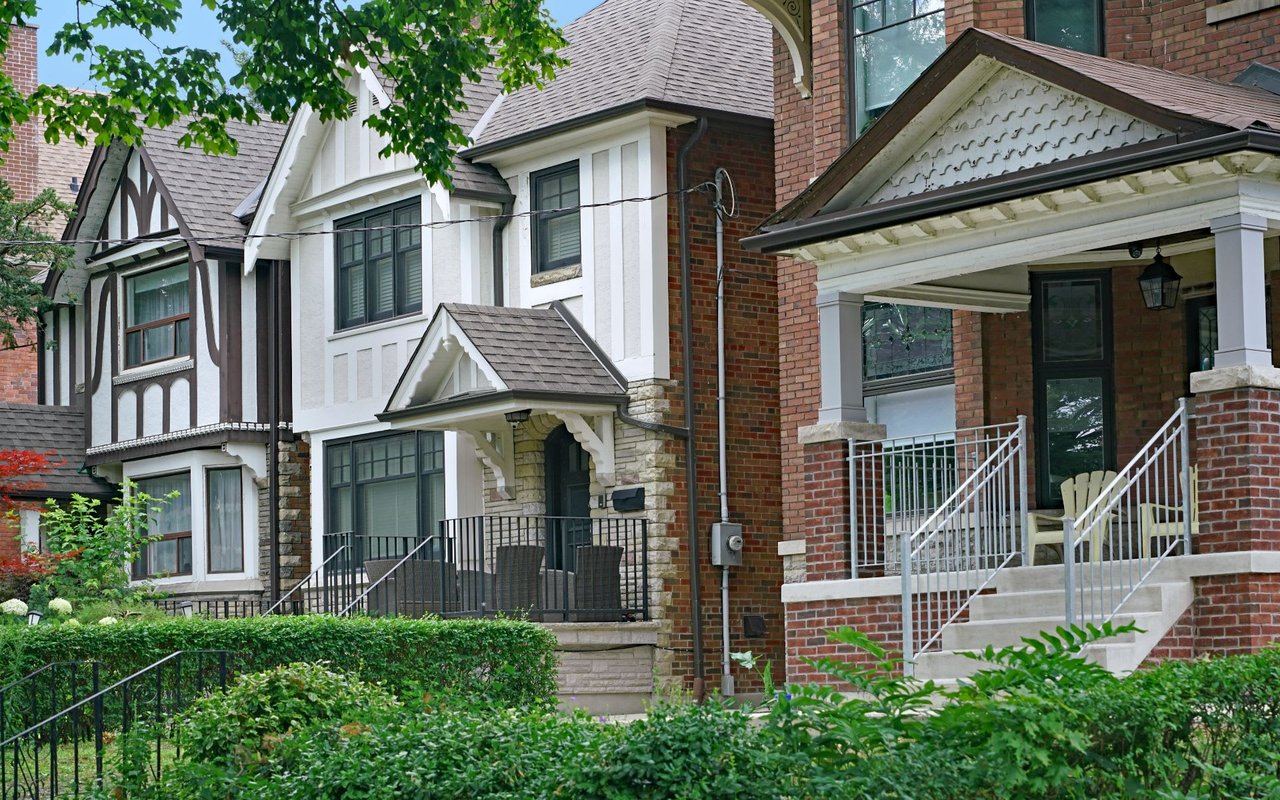
Intown Atlanta offers a diverse mix of architectural styles, from early twentieth-century historic homes to newly constructed modern properties. Buyers exploring neighborhoods such as Virginia Highland, Midtown, and Ansley Park often face an important decision between historic and modern homes.
Each option provides distinct advantages in terms of design, maintenance, lifestyle, and long-term value. Understanding these differences can help buyers choose a property that aligns with their priorities.
What Defines a Historic Home?
Historic homes in Atlanta are typically built in the early to mid-1900s and feature architectural styles such as Craftsman, bungalow, Colonial Revival, and Tudor. These homes are often located in established neighborhoods with mature trees and strong community identity.
Historic properties are valued for their character, craftsmanship, and unique design details.
What Defines a Modern Home?
Modern homes are newly constructed or recently built properties that emphasize contemporary design, open layouts, and updated materials. These homes often feature energy-efficient systems, smart technology, and low-maintenance finishes.
Modern construction can be found throughout Intown Atlanta, including newer developments and infill projects.
Architectural Style and Design
Historic homes are known for distinctive architectural details such as hardwood floors, crown molding, fireplaces, and built-in cabinetry. Each home often has a unique layout and design.
Modern homes typically feature open floor plans, larger kitchens, and minimalist design elements. Clean lines and functional layouts appeal to buyers who prefer contemporary living.
Location and Neighborhood Setting
Historic homes are commonly located in some of Atlanta’s most established neighborhoods. Areas such as Virginia Highland and Ansley Park offer tree-lined streets and a strong sense of community.
Modern homes are often found in both established neighborhoods and newer developments. In some cases, older homes have been replaced with new construction to meet current demand.
Buyers can compare neighborhoods through the Atlanta neighborhoods hub.
Maintenance and Upkeep
Maintenance is one of the most important considerations when comparing historic and modern homes.
Historic homes may require ongoing maintenance due to their age. Buyers should be prepared for potential updates to plumbing, electrical systems, and roofing.
Modern homes typically require less immediate maintenance because systems and materials are newer.
Energy Efficiency
Modern homes often include energy-efficient windows, insulation, and HVAC systems. These features can reduce utility costs and improve overall comfort.
Historic homes may be less energy efficient unless they have been updated with modern systems.
Layout and Functionality
Historic homes often have more defined spaces with separate rooms for living, dining, and entertaining. This layout reflects traditional design preferences.
Modern homes emphasize open-concept layouts that connect living spaces. This design supports flexible use and contemporary lifestyles.
Renovation Potential
Many buyers are drawn to historic homes because of their renovation potential. Updating a historic property allows homeowners to combine original character with modern features.
However, renovations can involve additional costs and require careful planning.
Price Considerations
Pricing varies depending on location, size, and condition. Historic homes in desirable neighborhoods often command premium prices due to their character and limited supply.
Modern homes may also carry higher prices due to new construction costs and updated features.
Buyers can review Past Sales to compare pricing trends across property types.
Resale Value
Both historic and modern homes can perform well in the Atlanta market. Historic homes often maintain strong demand due to their unique character and location.
Modern homes attract buyers seeking convenience and updated features, which can also support resale value.
Condo Living as an Alternative
Some buyers considering modern homes may also explore condominium living, particularly in areas like Midtown and Buckhead.
Buyers can review options through the Atlanta condo buildings directory, including Midtown condo buildings and Buckhead condo buildings.
Lifestyle Considerations
The choice between historic and modern homes often comes down to lifestyle preferences.
Buyers who value character, craftsmanship, and established neighborhoods may prefer historic homes.
Those who prioritize convenience, energy efficiency, and open layouts may prefer modern construction.
First-Time Buyer Considerations
First-time buyers should carefully evaluate maintenance costs and long-term responsibilities. Historic homes may require more upkeep, while modern homes may offer greater predictability.
Additional resources are available on the First-Time Homeowners page.
Exploring Available Properties
Buyers interested in comparing historic and modern homes can view current inventory through Featured Listings.
Touring different property types helps clarify preferences and priorities.
Final Thoughts
Historic and modern homes in Intown Atlanta each offer unique advantages. By understanding the differences in design, maintenance, and lifestyle, buyers can make informed decisions that align with their goals.
If you are exploring homes in neighborhoods such as Virginia Highland, Midtown, or Ansley Park and want guidance comparing property types, you can start the conversation through the Space Intown contact page.