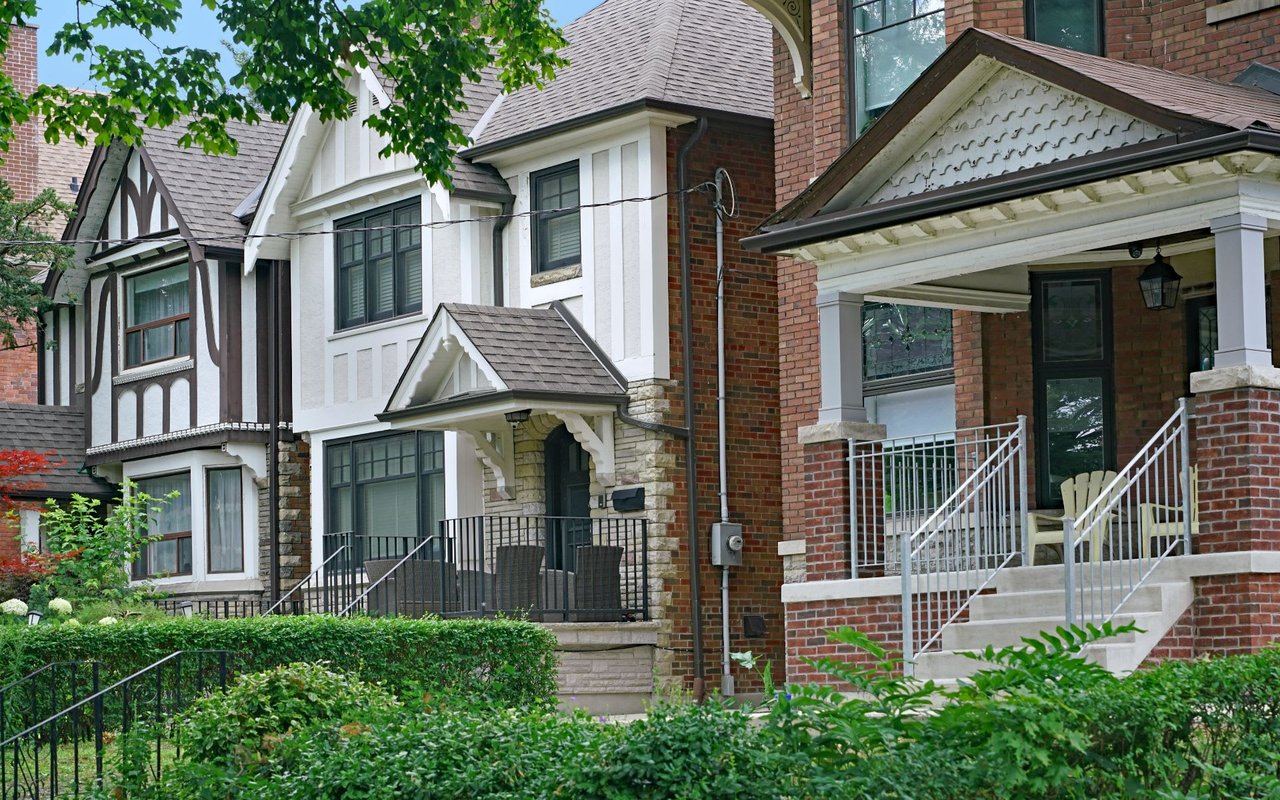
For many Atlanta homebuyers, location is about more than just the home itself. Buyers increasingly want neighborhoods where they can walk to restaurants, coffee shops, parks, grocery stores, and entertainment. That is where Walk Score becomes important.
Walk Score is a tool that measures how walkable a location is based on nearby amenities and accessibility. In Atlanta neighborhoods like Midtown, Virginia Highland, and Inman Park, walkability has become a major factor influencing buyer demand and home values.
This guide explains what Walk Score is, how it works, and why it matters when buying or selling real estate in Atlanta.
To explore homes in walkable neighborhoods, browse Featured Listings or review Past Sales. :contentReference[oaicite:0]{index=0}
What Is Walk Score?
Walk Score is a rating system that measures how easy it is to complete daily errands without relying on a car. Scores range from 0 to 100.
- 90–100: Walker’s Paradise
- 70–89: Very Walkable
- 50–69: Somewhat Walkable
- 25–49: Car-Dependent
- 0–24: Almost Entirely Car-Dependent
The score considers nearby amenities such as restaurants, grocery stores, parks, schools, and public transit access.
Why Walkability Matters to Buyers
Many buyers today prioritize convenience and lifestyle. Walkable neighborhoods often provide:
- Easy access to dining and entertainment
- Reduced commuting and driving
- Greater neighborhood activity and energy
- Access to parks and outdoor spaces
- Improved lifestyle convenience
For some buyers, walkability is one of the most important factors in choosing where to live.
Walkability and Atlanta Real Estate
Atlanta has historically been known as a car-oriented city, but certain neighborhoods stand out for their walkability. Areas with higher Walk Scores often attract strong demand from professionals, first-time buyers, and relocation clients.
Neighborhoods like Midtown, Old Fourth Ward, Inman Park, and Virginia Highland are often recognized for their walkability and lifestyle appeal. :contentReference[oaicite:1]{index=1}
How Walk Score Can Impact Home Values
Walkability often contributes to stronger property demand. Buyers may be willing to pay a premium for homes located near restaurants, parks, and transit.
Homes in walkable neighborhoods may benefit from:
- Higher buyer demand
- Potentially stronger resale value
- Lower time on market
- Appeal to relocation buyers and renters
Walkability is not the only factor affecting value, but it can play a meaningful role in buyer perception.
Midtown and Walkability
Midtown is one of Atlanta’s most walkable neighborhoods. Residents often have access to restaurants, grocery stores, Piedmont Park, offices, and MARTA stations within walking distance.
This convenience is a major reason Midtown remains highly attractive to condo buyers.
Buyers can explore options through the Midtown condo buildings directory. :contentReference[oaicite:2]{index=2}
Walkability and the Atlanta BeltLine
The Atlanta BeltLine has significantly increased walkability in several neighborhoods by connecting trails, parks, restaurants, and retail districts.
Homes near BeltLine access points often attract buyers seeking an active and connected lifestyle.
Related reading: How Walkability Affects Home Prices in Atlanta. :contentReference[oaicite:3]{index=3}
Walk Score vs Transit Score
While Walk Score measures pedestrian accessibility, some buyers also evaluate public transportation access. Neighborhoods with strong MARTA connectivity may appeal to buyers who want alternatives to driving.
Related reading: Living Close to MARTA in Midtown and Buckhead. :contentReference[oaicite:4]{index=4}
Condo Buyers and Walkability
Walkability is especially important for condo buyers. Many buyers choosing condos prioritize convenience, low-maintenance living, and access to nearby amenities.
Midtown and Buckhead condo buyers often compare buildings based not only on amenities but also on surrounding walkability.
Buyers can compare buildings through the Atlanta condo buildings directory and Buckhead condo buildings directory. :contentReference[oaicite:5]{index=5}
What Walk Score Does Not Measure
While Walk Score is helpful, it does not tell the full story. It may not fully reflect:
- Street safety and pedestrian experience
- Traffic patterns
- Sidewalk quality
- Neighborhood character
- Elevation and terrain
Buyers should still visit neighborhoods in person to understand how they feel day-to-day.
How Sellers Benefit From Walkability
Sellers in walkable neighborhoods should highlight nearby amenities in their marketing. Buyers are often drawn to convenience and lifestyle access.
Proximity to restaurants, parks, coffee shops, and MARTA can become major selling points.
Walkability and Long-Term Demand
As buyer preferences continue shifting toward convenience and urban accessibility, walkable neighborhoods are likely to remain in demand.
This is one reason neighborhoods with strong lifestyle infrastructure continue to attract both buyers and investors.
Work With Experienced Local Experts
Understanding how walkability impacts pricing and buyer demand requires local market knowledge. Experienced professionals can help buyers and sellers interpret these trends effectively.
Learn more about the team at The Agency Atlanta Intown. :contentReference[oaicite:6]{index=6}
Final Thoughts
Walk Score provides buyers and sellers with insight into how connected and convenient a neighborhood may be. In Atlanta, walkability has become increasingly important in shaping buyer demand, pricing, and long-term appeal.
If you are considering buying or selling in Midtown, Buckhead, Virginia Highland, or anywhere intown Atlanta, you can begin the conversation through the Contact Us page. :contentReference[oaicite:7]{index=7}