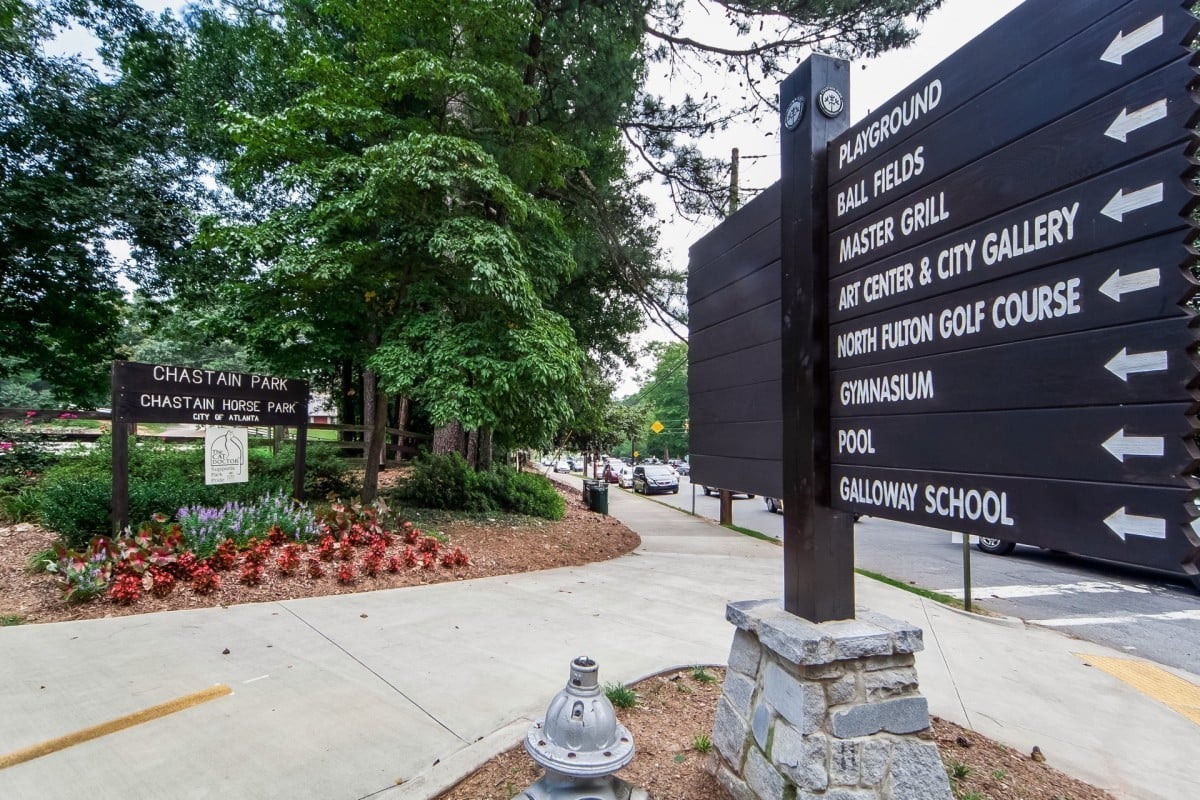
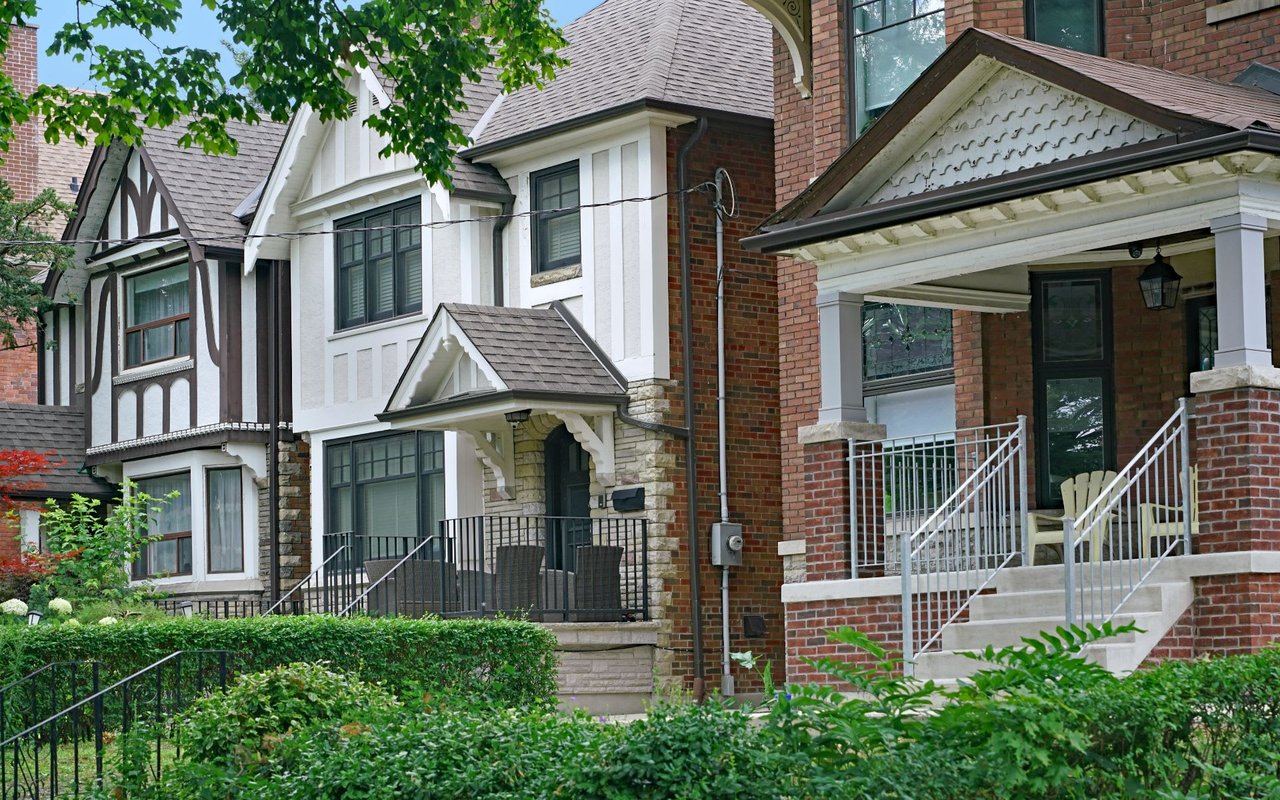
Walkability has become one of the most important factors for many homebuyers in Atlanta. As more buyers prioritize convenience, shorter commutes, and lifestyle amenities, neighborhoods where residents can walk to restaurants, parks, retail, and transit often command stronger demand. That demand can directly influence home prices.
Whether buyers are considering a condo in Midtown, a bungalow in Virginia Highland, or a luxury property in Buckhead, walkability can play a major role in both value and long-term appreciation.
This guide explains how walkability impacts home prices in Atlanta and why it continues to matter in today’s market.
What Is Walkability?
Walkability refers to how easy it is for residents to accomplish daily activities on foot. This may include walking to grocery stores, coffee shops, parks, restaurants, offices, schools, and public transportation.
A highly walkable neighborhood reduces dependence on a car and can improve overall convenience.
Why Buyers Value Walkability
Modern buyers often place a premium on lifestyle convenience. Being able to walk to dining, entertainment, and daily essentials saves time and creates a more connected living experience.
Common reasons buyers seek walkable neighborhoods include:
- Reduced commuting time
- Access to restaurants and retail
- Health and outdoor activity benefits
- Less reliance on driving
- Stronger neighborhood atmosphere
As buyer demand increases for these features, prices often follow.
How Walkability Impacts Home Prices
When more buyers compete for homes in walkable neighborhoods, sellers often benefit from stronger pricing power. Limited inventory in desirable walkable areas can further increase values.
Homes in neighborhoods with restaurants, parks, and transit access frequently command higher price-per-square-foot figures than similar homes in less walkable areas.
Midtown Atlanta and Urban Walkability
Midtown is one of Atlanta’s most walkable neighborhoods. Residents enjoy access to Piedmont Park, offices, MARTA stations, restaurants, grocery stores, and cultural attractions.
This convenience helps support strong demand for Midtown condos and townhomes.
Buyers interested in urban living can explore options through the Midtown condo buildings directory.
Virginia Highland and Neighborhood Walkability
Virginia Highland offers a different kind of walkability. Instead of high-rise density, the neighborhood combines residential charm with walkable retail corridors, coffee shops, and restaurants.
This blend of character and convenience contributes to strong home values.
Buckhead and Mixed Walkability
Buckhead includes both highly walkable pockets and more car-dependent residential sections. Areas near shopping districts, offices, and mixed-use developments often see stronger condo demand because of convenience.
Luxury towers in walkable Buckhead locations can benefit from premium pricing.
Walkability and Condo Values
Walkability is especially important in the condominium market. Condo buyers often prioritize convenience and lifestyle access more than lot size or yard space.
Buildings located near parks, restaurants, transit, and grocery stores may attract stronger resale demand.
Buyers can compare options through the Atlanta condo buildings directory.
Transit Access and Value
Walkability often overlaps with public transportation access. Homes near MARTA rail stations or major bus routes can appeal to commuters and renters alike.
This can increase both owner-occupant demand and investment appeal.
Retail and Lifestyle Amenities
Neighborhoods with strong retail corridors often command pricing premiums because buyers value convenience. Access to grocery stores, fitness studios, coffee shops, and dining can influence purchase decisions.
These amenities can make a neighborhood feel more complete and desirable.
Limited Supply in Walkable Areas
Many of Atlanta’s most walkable neighborhoods are established areas with limited room for new development. When supply remains constrained and demand remains high, values often strengthen over time.
This can be particularly true in historic neighborhoods and popular condo districts.
How Buyers Should Evaluate Walkability
Not every buyer values walkability equally. Buyers should consider:
- Daily commute needs
- Lifestyle preferences
- Parking requirements
- Long-term resale appeal
Even if walkability is not a top personal priority, it may still matter for future resale value.
Comparing Home Prices by Neighborhood
Buyers can review Past Sales to compare pricing trends across neighborhoods. This can help show how walkability and location often influence value.
Current opportunities can be viewed through Featured Listings.
Walkability and First-Time Buyers
Many first-time buyers prioritize neighborhoods where they can enjoy city living without long commutes. Walkable condo and townhome communities often appeal to this group.
Additional resources are available on the First-Time Homeowners page.
Exploring Atlanta Neighborhoods
Atlanta offers a variety of neighborhoods with different levels of walkability. Buyers comparing options can use the Atlanta neighborhoods hub to evaluate communities throughout the city.
Final Thoughts
Walkability has become a powerful driver of home values in Atlanta. Neighborhoods that offer convenience, transit access, and lifestyle amenities often attract stronger buyer demand and higher pricing.
If you are considering buying or selling in a walkable Atlanta neighborhood and want expert guidance on market value and location strategy, you can begin the conversation through the Space Intown contact page.