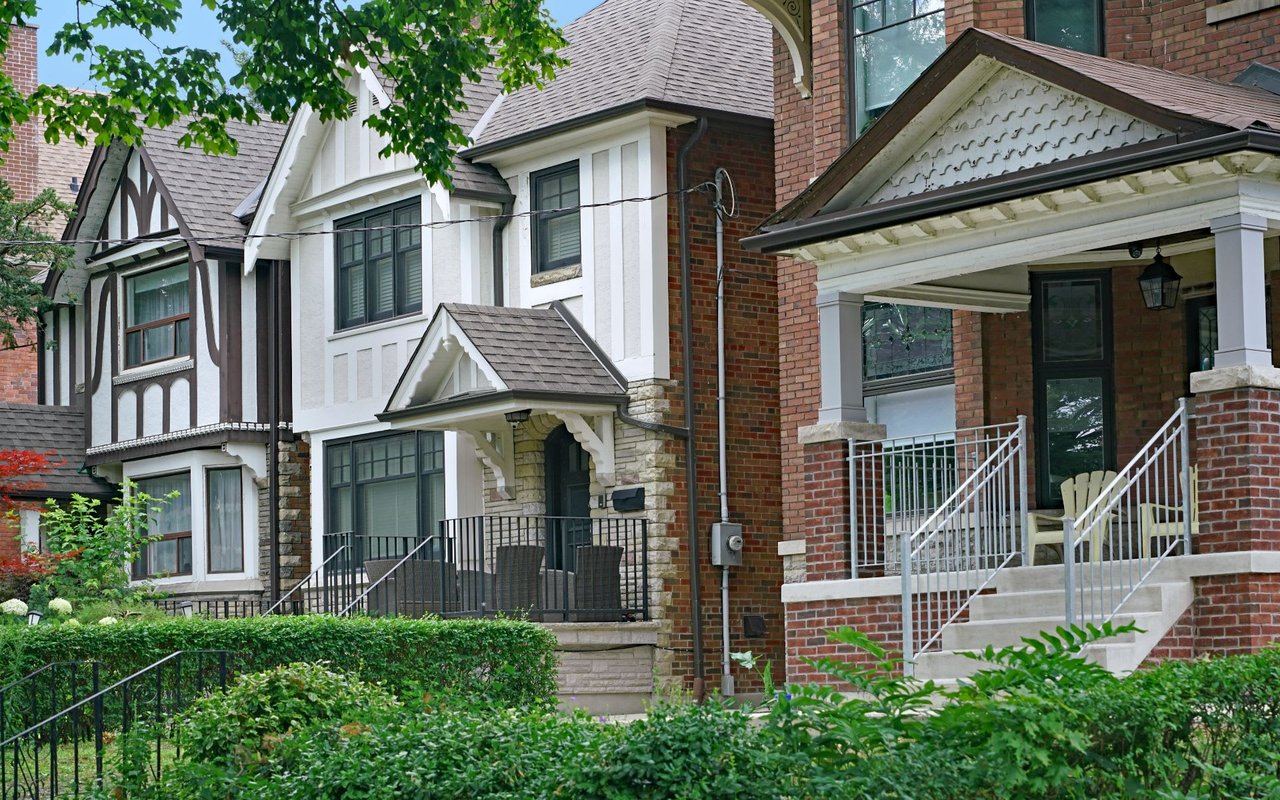
Home staging has become one of the most effective strategies for sellers who want to attract buyers and sell their property quickly. In a competitive market like Atlanta, presentation plays a critical role in how buyers perceive a home. From condos in Midtown to historic homes in Virginia Highland and luxury properties in Buckhead, staging can influence both the speed of sale and final price.
This guide explains how staging works, why it matters, and how sellers can use it to improve their results in the Atlanta real estate market.
What Is Home Staging?
Home staging is the process of preparing and furnishing a property to highlight its best features and appeal to a wide range of buyers. This may include rearranging existing furniture, adding décor, or bringing in professional staging items.
The goal is to create a clean, neutral, and inviting environment that allows buyers to imagine themselves living in the space.
Why First Impressions Matter
Buyers often form an opinion about a home within seconds of entering. Staging ensures that the property makes a strong first impression both in person and online.
Because most buyers begin their search online, the initial impression often comes from listing photos. A well-staged home photographs better and attracts more attention.
Buyers browsing listings often begin with resources such as Featured Listings, where presentation directly affects engagement.
How Staging Helps Homes Sell Faster
Staged homes typically spend less time on the market compared with unstaged properties. There are several reasons for this.
- Staged homes attract more online views
- Buyers are more likely to schedule showings
- Spaces feel larger and more functional
- Homes appear move-in ready
These factors increase buyer interest and can lead to quicker offers.
Highlighting Key Features
Staging helps draw attention to a home’s strongest features. For example, a staged living room can emphasize natural light and layout, while a staged kitchen can showcase functionality and storage.
Strategic placement of furniture and décor guides buyers through the home and creates a cohesive experience.
Creating a Neutral Environment
One of the main goals of staging is to create a neutral space that appeals to a wide audience. Removing personal items such as family photos and bold décor allows buyers to focus on the home itself.
This approach makes it easier for buyers to envision their own belongings in the space.
Improving Perceived Value
Staged homes often appear more polished and well-maintained. This can influence how buyers perceive value and may lead to stronger offers.
Even small updates such as fresh linens, updated lighting, or coordinated décor can enhance overall presentation.
Staging for Different Property Types
The staging approach may vary depending on the type of property.
Condominiums
In Midtown high-rise condos, staging often focuses on maximizing space and highlighting views. Buyers comparing buildings can explore options through the Midtown condo buildings directory.
Single-Family Homes
For single-family homes, staging may emphasize multiple living areas, outdoor spaces, and family functionality.
Luxury Properties
Luxury homes often benefit from more detailed staging that reflects the level of the property and appeals to higher-end buyers.
Vacant vs Occupied Staging
Vacant homes can feel empty and may appear smaller than they actually are. Staging provides scale and helps define each room’s purpose.
Occupied homes can also benefit from staging through decluttering, rearranging furniture, and adding neutral décor.
Staging and Online Marketing
Staging plays a major role in digital marketing. Professional photos, video tours, and social media promotions all rely on strong visuals.
Well-staged homes perform better across online platforms, increasing visibility and buyer interest.
Cost vs Return on Investment
While staging involves an upfront cost, many sellers view it as an investment. Faster sales and stronger offers can offset staging expenses.
The level of staging needed depends on the property and market conditions.
Preparing Your Home for Staging
Sellers can take several steps before staging begins.
- Declutter and organize all rooms
- Complete necessary repairs
- Deep clean the property
- Remove personal items
These steps create a foundation for effective staging.
Understanding Market Expectations
Buyer expectations can vary by neighborhood and price point. Homes in areas such as Midtown, Buckhead, and Virginia Highland often benefit from strong presentation due to higher buyer expectations.
Exploring the Atlanta neighborhoods hub can help sellers understand how their property compares across the market.
Pricing and Staging Together
Staging is most effective when combined with accurate pricing. Even a well-staged home must be priced appropriately to attract buyers.
Sellers can request a pricing analysis through the Free Home Valuation page.
Final Thoughts
Home staging is a powerful tool that helps properties stand out in the Atlanta market. By improving presentation, highlighting key features, and creating a welcoming environment, staging can increase buyer interest and reduce time on market.
If you are preparing to sell your home and want guidance on staging, pricing, and marketing strategies, you can start the conversation through the Space Intown contact page.