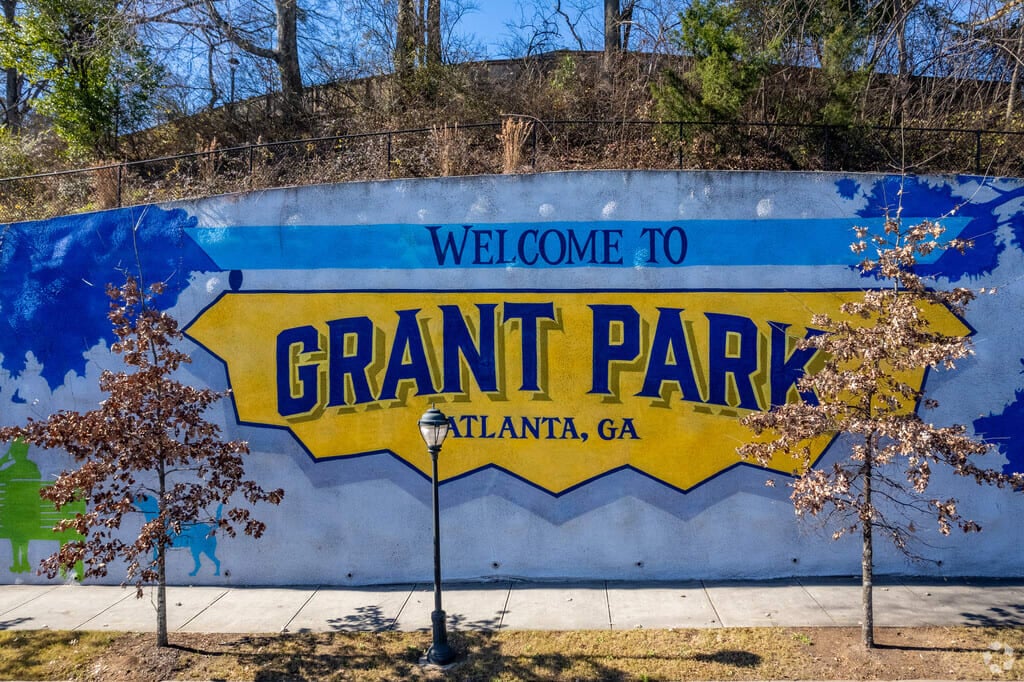
It also offers something many Atlanta buyers find increasingly difficult to locate: a neighborhood where historic character and a strong sense of place coexist with convenient access to newer restaurants, trails, entertainment, and employment centers.
For buyers comparing Intown neighborhoods, Grant Park can provide an interesting alternative to areas such as Inman Park, Old Fourth Ward, Virginia-Highland, and East Atlanta Village.
So what makes Grant Park so popular? Here are the characteristics that continue to attract buyers to this historic part of Atlanta.
Explore our Grant Park neighborhood guide, browse Atlanta homes for sale, or contact The Agency Atlanta Intown to learn more about living in Intown Atlanta.
1. Grant Park Has a Genuine Historic Identity
Grant Park is one of Atlanta’s oldest residential neighborhoods, and that history remains visible throughout its streets.
The neighborhood developed around the park beginning in the late 19th century, and much of the surrounding residential area contains architecture from the Victorian era and the early decades of the 20th century.
That gives Grant Park an atmosphere that is difficult to manufacture in a new development.
Instead of identical homes on recently planned streets, buyers encounter properties with different architectural details, renovations, lot configurations, porches, landscaping, and histories.
2. The Architecture Gives the Neighborhood Character
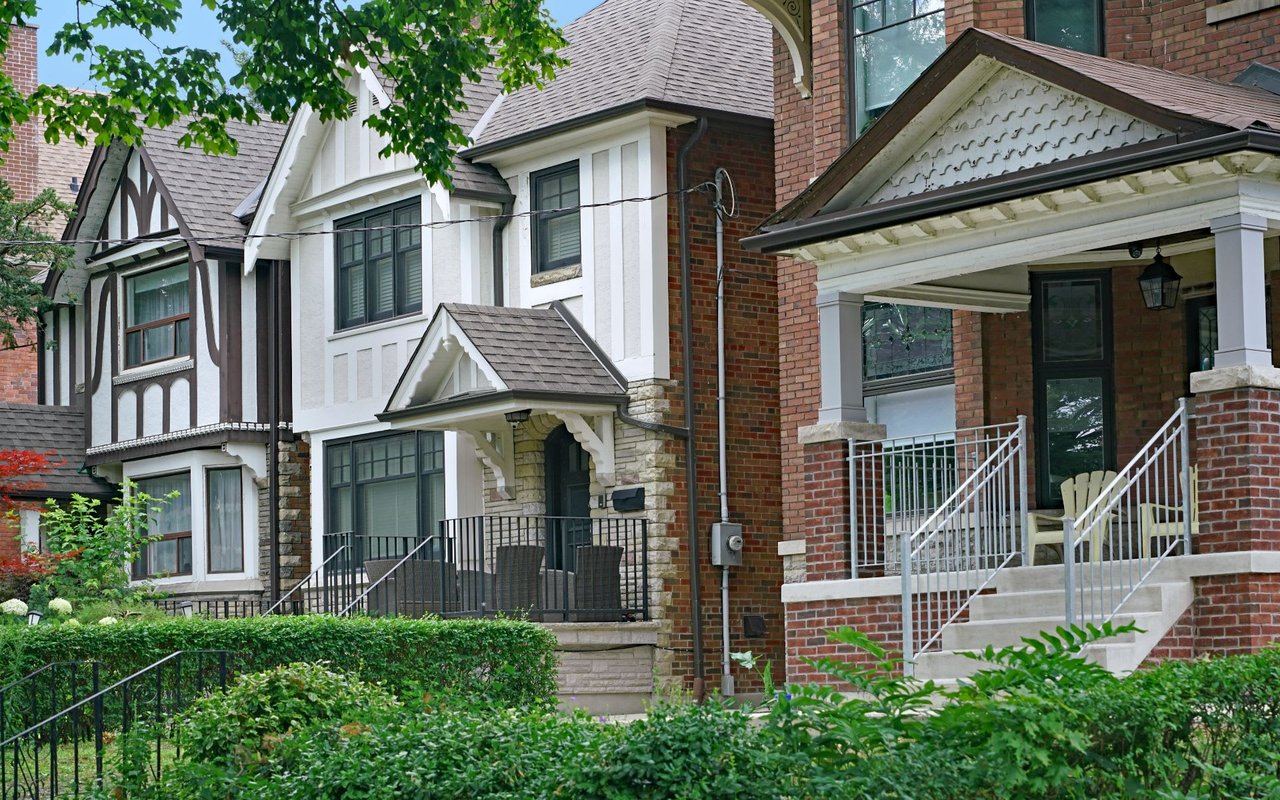
Historic architecture is one of the strongest visual elements of Grant Park.
Depending on the street, buyers may find:
- Victorian homes
- Queen Anne influences
- Craftsman bungalows
- Early 20th-century cottages
- Traditional brick homes
- Renovated historic residences
- Newer infill construction
Large front porches are particularly characteristic of many older homes and contribute to the neighborhood’s street-oriented atmosphere.
For buyers who prefer architectural individuality over newer construction, this can be a major advantage.
Related reading: Historic vs. Modern Homes in Intown Atlanta
3. Grant Park Itself Is a Major Amenity
The neighborhood takes its name from the approximately 131-acre Grant Park, one of Atlanta’s oldest and most important public parks.
The park gives residents access to green space for:
- Walking
- Running
- Picnics
- Playgrounds
- Recreation
- Community gatherings
- Festivals and events
Having a major public park within the neighborhood changes everyday life in ways that can be difficult to quantify in a real estate listing.
For residents without large yards, the park can effectively function as an extension of their outdoor space.
4. Zoo Atlanta Is Right in the Neighborhood
Zoo Atlanta is located within Grant Park and is one of the neighborhood’s most recognizable attractions.
For residents, the zoo contributes to the area's distinctive identity and brings visitors from throughout metro Atlanta.
That proximity can be particularly appealing to buyers who expect to use the zoo regularly, although buyers considering homes immediately around major attractions should also evaluate weekend traffic, events, and parking patterns.
5. The BeltLine Has Expanded the Neighborhood’s Connectivity
Grant Park benefits from access to the Atlanta BeltLine through the Southside Trail corridor and nearby connections.
This is important because the BeltLine does more than provide a recreational trail.
It can connect residents by foot or bicycle with surrounding Intown neighborhoods and destinations.
Depending on the route, residents can connect toward areas such as:
- Glenwood Park
- Ormewood Park
- Reynoldstown
- Old Fourth Ward
- East Atlanta
- Other BeltLine destinations
That connectivity has helped reshape how people think about this part of southeast Atlanta.
Related reading: Buying Near the BeltLine: What to Know
6. The Beacon Has Added a Major Neighborhood Destination
The redevelopment around The Beacon Atlanta has helped create a restaurant, retail, and service destination along the BeltLine near Grant Park.
For nearby residents, this means more opportunities to reach dining, fitness, services, and entertainment without traveling to another part of Atlanta.
This type of mixed-use development can be particularly valuable in an established residential neighborhood because it adds conveniences without requiring the neighborhood itself to become dominated by commercial development.
7. Summerhill Has Become Another Nearby Lifestyle Amenity
Grant Park also benefits from the transformation of nearby Summerhill.
The Georgia Avenue corridor has developed into a destination for restaurants, coffee shops, breweries, retail, and neighborhood businesses.
For Grant Park residents, this creates another collection of places to eat and socialize within a short distance of home.
That surrounding growth helps expand the lifestyle radius of Grant Park without changing the historic residential core that makes the neighborhood distinctive.
8. Downtown Atlanta Is Surprisingly Close
One of Grant Park’s biggest practical advantages is location.
The neighborhood sits southeast of Downtown Atlanta, putting residents relatively close to:
- Downtown employment centers
- Georgia State University
- Mercedes-Benz Stadium
- State Farm Arena
- Centennial Olympic Park
- Interstate access
For buyers who work Downtown but prefer a single-family neighborhood rather than a condo, Grant Park can be particularly compelling.
9. It Feels Residential Despite Being Close to the City Center
Grant Park provides an interesting contrast.
Residents can live only a short distance from Downtown while returning home to streets lined with historic houses, mature trees, porches, and neighborhood parks.
That separation between the commercial city and residential neighborhood is one reason Grant Park appeals to people who want to remain Intown without living in a dense high-rise district.
10. Front Porches Help Create a Neighborhood Feel
Architecture can influence how people interact.
Grant Park’s abundance of older homes with front porches creates a more visible connection between houses and sidewalks.
Residents walking dogs, pushing strollers, jogging, or heading toward the park frequently pass neighbors sitting outside.
Those small interactions can contribute to the sense of community that many people associate with Grant Park.
11. The Mature Tree Canopy Changes the Experience
Mature trees are another important part of Grant Park’s visual identity.
They provide:
- Shade
- Privacy
- Seasonal color
- A more established streetscape
Tree-lined streets can make walking through the neighborhood feel dramatically different from walking through a newer development with limited mature landscaping.
For homeowners, however, large trees also create maintenance considerations. Buyers should pay attention to tree health, branches over structures, roots, gutters, and potential removal costs.
12. The Neighborhood Offers More Than One Housing Type
Grant Park is best known for historic single-family homes, but buyers can also encounter:
- Renovated cottages
- Townhomes
- Condos
- Newer infill homes
- Smaller multifamily properties
This variety can create different entry points into the neighborhood.
A buyer who does not want the maintenance responsibilities of a century-old detached home may still be able to enjoy the Grant Park lifestyle through a newer townhome or condominium.
13. Walkability Is a Major Part of the Appeal
Grant Park is not uniformly walkable, and the experience depends on the exact address.
But many residents can walk to some combination of:
- Grant Park
- Zoo Atlanta
- Restaurants
- Coffee shops
- The Beacon
- The BeltLine
- Neighborhood businesses
That makes it possible for at least some everyday activities to happen without getting into a car.
Related reading: How Walkability Affects Home Prices in Atlanta
14. Grant Park Has a Strong Local Food and Drink Scene
Another reason the neighborhood has grown in popularity is that residents have increasingly good dining options nearby.
Grant Park itself and surrounding areas such as Summerhill, Glenwood Park, and the BeltLine corridor provide restaurants, coffee shops, breweries, bakeries, and neighborhood gathering places.
This gives residents the ability to stay close to home for an evening out rather than automatically heading to Midtown, Buckhead, or another entertainment district.
15. Community Events Reinforce the Neighborhood Identity
Grant Park has a long tradition of neighborhood events.
One of the best known is the Grant Park Summer Shade Festival, which brings music, food, art, and community activities into the park.
Events like this help reinforce the idea that Grant Park is not simply a collection of houses surrounding green space. It has a recognizable neighborhood identity and public gathering places.
What Should Buyers Know About Historic Homes?
The same older architecture that attracts buyers can create additional due-diligence considerations.
Before purchasing, investigate:
- Electrical systems
- Plumbing
- Roof
- Foundation
- HVAC
- Sewer line
- Windows
- Drainage
- Past additions
- Renovation permits
Do not assume a beautifully renovated interior means the major systems have been comprehensively modernized.
Related reading: What Is a Home Inspection and What It Covers
Historic-District Considerations Matter
Grant Park is a historic neighborhood, and portions of the area are subject to historic-district regulations.
If you are buying with plans for substantial exterior renovation, expansion, demolition, or new construction, research the applicable requirements during due diligence.
Depending on the project, considerations may include:
- Exterior design
- Additions
- Setbacks
- Windows
- Porches
- Demolition
- New construction
Preservation rules help protect neighborhood character, but they can also affect what an individual owner is permitted to change.
Renovation Quality Can Create Major Price Differences
Grant Park contains homes in very different stages of renovation.
A fully updated historic property may command a substantial premium over a similar house requiring significant work.
When comparing renovated homes, determine whether improvements included:
- Electrical upgrades
- Plumbing replacement
- New HVAC
- Roof replacement
- Structural work
- Kitchen and bathroom renovations
- Improved insulation
- Drainage improvements
Cosmetic finishes are visible. Infrastructure is often where the larger ownership costs are hiding.
Parking Can Vary
Like many historic Intown neighborhoods, Grant Park was developed before households routinely owned several large vehicles.
Depending on the property, parking may include:
- Driveways
- Rear parking pads
- Detached garages
- Street parking
- Newer garages added during renovation
If off-street parking is important, verify the actual configuration before making an offer.
Lot and Street Matter
Two Grant Park homes with similar architecture and square footage can have very different values.
Consider:
- Lot size
- Backyard usability
- Parking
- Street traffic
- Proximity to the park
- Proximity to commercial activity
- Tree coverage
- Renovation quality
A property overlooking or immediately adjacent to the park may offer a very different experience from one near a heavily traveled corridor.
Grant Park vs. Old Fourth Ward
These neighborhoods can appeal to some of the same Intown buyers, but the housing and lifestyle are different.
Old Fourth Ward generally offers:
- More condos and apartments
- Direct BeltLine activity
- Ponce City Market
- Greater density
- More concentrated nightlife and restaurants
Grant Park generally offers:
- More historic single-family homes
- Private yards
- Quieter residential streets
- A major neighborhood park
- A more traditional residential atmosphere
Explore our Old Fourth Ward neighborhood guide to compare the two.
Grant Park vs. East Atlanta Village
East Atlanta Village offers a more concentrated nightlife and entertainment district, while Grant Park is centered more heavily around historic housing and the park itself.
Both neighborhoods provide access to southeast Atlanta restaurants and BeltLine-area development.
Buyers considering Grant Park should often include East Atlanta Village in their search to understand how the housing, lots, commercial districts, and atmosphere compare.
Explore East Atlanta Village.
Grant Park vs. Inman Park
Inman Park and Grant Park share several characteristics.
Both are historic Atlanta neighborhoods with distinctive architecture, mature trees, BeltLine access, and strong neighborhood identities.
Inman Park has a particularly concentrated restaurant and retail scene around North Highland Avenue and Krog Street Market, while Grant Park revolves more strongly around its namesake park, Zoo Atlanta, and nearby southeast Atlanta destinations.
Explore Inman Park if you are comparing both neighborhoods.
Who Is Grant Park Best For?
Grant Park may be particularly appealing if you want:
- Historic architecture
- A single-family home Intown
- Access to a major city park
- BeltLine connectivity
- Proximity to Downtown
- Neighborhood restaurants and businesses
- Mature trees
- A strong sense of place
Who Might Prefer Another Neighborhood?
Grant Park may be less ideal if you:
- Want new construction exclusively
- Do not want the maintenance associated with an older home
- Prefer high-rise amenities
- Want maximum walkability to a major office district
- Do not want to navigate historic renovation requirements
- Prefer a suburban environment farther from city activity
Why Does Grant Park Continue to Attract Buyers?
Ultimately, Grant Park benefits from something real estate buyers consistently value: characteristics that are difficult to reproduce.
You can build another house.
You cannot easily recreate a historic neighborhood beside a 100-plus-acre park, fill it with mature trees and century-old architecture, connect it to the BeltLine, and place it minutes from Downtown Atlanta.
That combination creates scarcity.
And scarcity is one reason established Intown neighborhoods can remain desirable even as new residential developments continue appearing throughout metro Atlanta.
Final Thoughts
Grant Park’s popularity comes from the way several different lifestyle advantages come together in one neighborhood.
Historic architecture gives it character. Grant Park provides substantial green space. Zoo Atlanta creates a major neighborhood landmark. The BeltLine improves connectivity. Nearby destinations such as The Beacon and Summerhill add restaurants and services, while Downtown remains only a short distance away.
For buyers, however, choosing the neighborhood is only the beginning.
Grant Park homes can differ considerably in condition, renovation quality, lot, parking, street location, historic restrictions, and future maintenance needs. A careful property-level analysis is essential.
If you're considering buying or selling in Grant Park, contact The Agency Atlanta Intown. Our team can help you compare current listings, recent sales, historic homes, renovated properties, and nearby Intown neighborhoods to find the location and property that best fit your goals.