Best Walkable Neighborhoods in Midtown Atlanta
Walkability is one of the most sought-after lifestyle features for homebuyers in Midtown Atlanta. Being able to step outside your front door and walk to restaurants, parks, offices, cultural attractions, and everyday conveniences changes how people experience city living. Midtown consistently ranks as one of Atlanta’s most walkable areas, but within Midtown itself, certain neighborhoods stand out more than others.
This guide breaks down the best walkable neighborhoods in Midtown Atlanta, what makes each unique, and why walkability continues to play a major role in real estate demand and long-term property value.
Why Walkability Matters in Midtown Atlanta
Walkability is not just about convenience. In urban markets like Atlanta, it often correlates with higher demand, stronger resale potential, and a more active lifestyle. Buyers drawn to Midtown value proximity to employment centers, green space, dining, and entertainment without relying heavily on a car.
Midtown’s layout, combined with MARTA access and dense mixed-use development, makes it one of the most pedestrian-friendly areas in the city. Buyers interested in exploring the area can start with the Midtown neighborhood page for an overview of housing options and lifestyle highlights.
Midtown Core
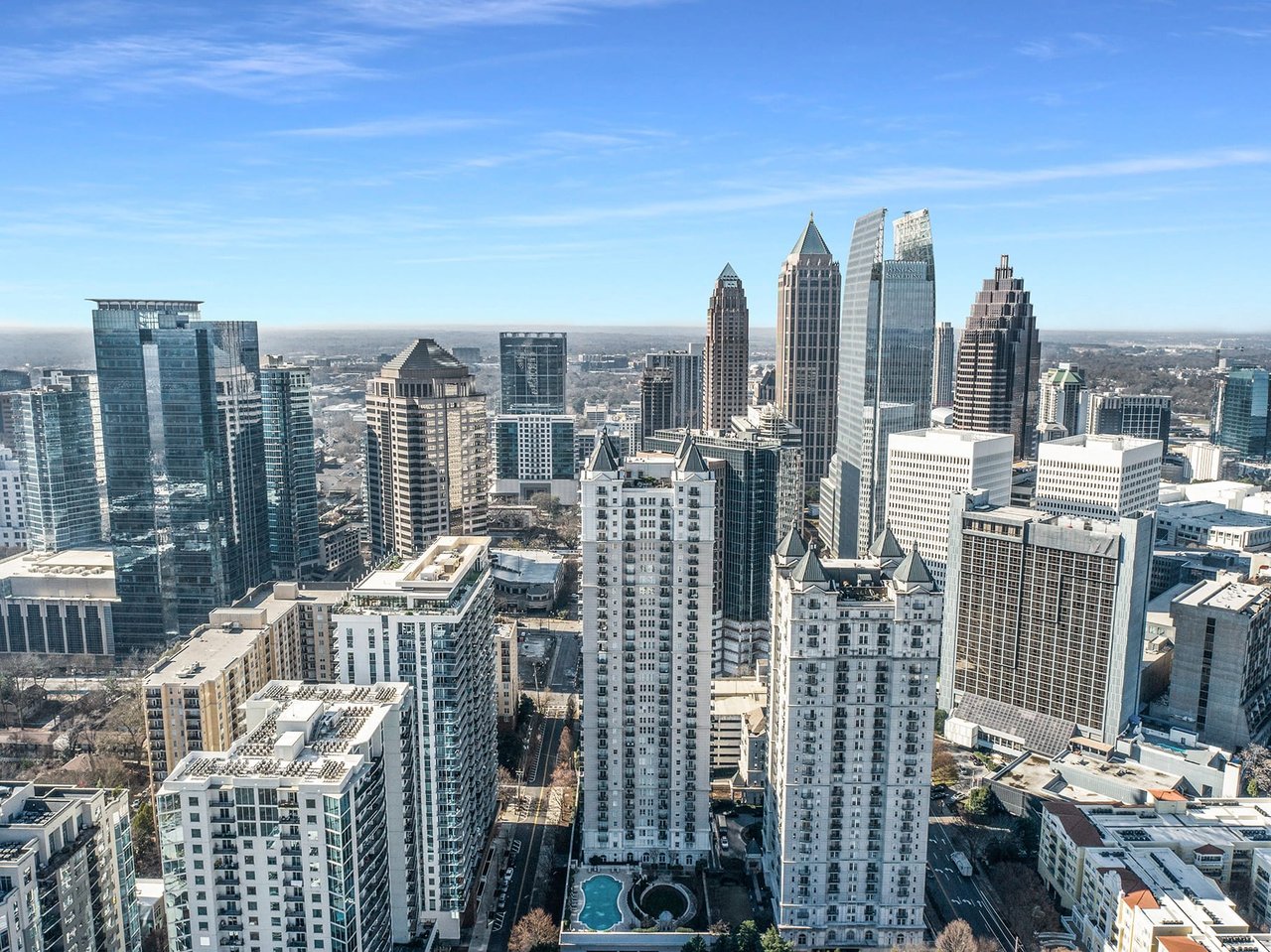
The Midtown Core is the heart of walkable city living in Atlanta. Centered around Peachtree Street, this area places residents within steps of restaurants, offices, theaters, fitness studios, grocery stores, and public transit.
Living in the Midtown Core means daily access to destinations like Piedmont Park, Colony Square, and the Arts Center MARTA station. Many residents choose condo living here, with high-rise and mid-rise buildings offering easy access to everything Midtown has to offer. Buyers interested in vertical living can explore options through the Midtown condo buildings page.
Walkability in the Midtown Core appeals strongly to professionals, downsizers, and anyone prioritizing an active, urban lifestyle.
Midtown Garden District
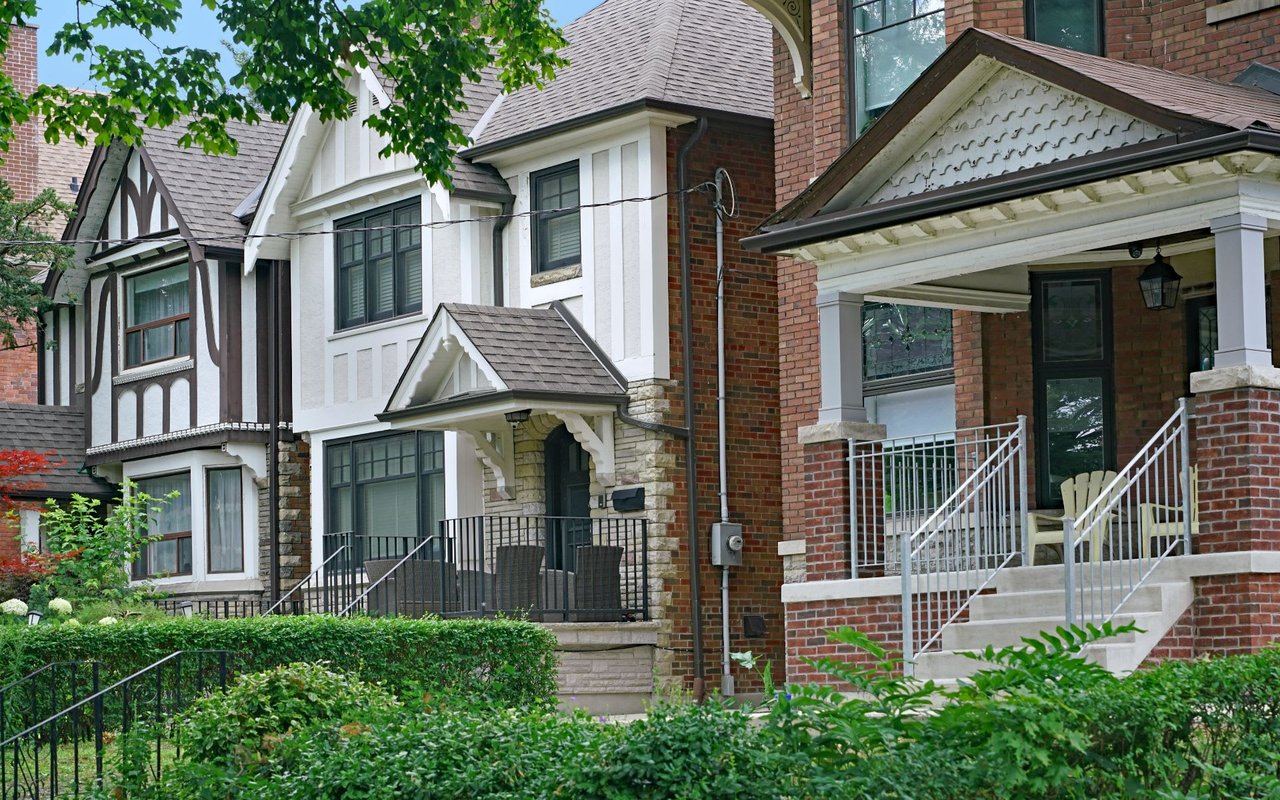
The Midtown Garden District offers a quieter, more residential feel while maintaining excellent walkability. Located just east of Peachtree Street, this neighborhood features tree-lined streets, historic homes, and smaller condo buildings.
Residents enjoy easy walking access to Piedmont Park, neighborhood restaurants, and retail along Monroe Drive and nearby corridors. The Garden District is especially appealing to buyers who want walkable access to Midtown amenities without being directly on major commercial streets.
This area blends classic architecture with proximity to green space, making it one of Midtown’s most charming walkable neighborhoods.
Ansley Park Border Areas
While Ansley Park itself is known for large historic homes and winding streets, areas along its Midtown edge offer surprising walkability. Homes and condos near Piedmont Avenue allow residents to walk into Midtown while still enjoying the residential character of the neighborhood.
Buyers interested in this blend of privacy and access can explore more about the area through the Ansley Park neighborhood page. Walkability here often means scenic routes through tree-covered streets combined with quick access to Midtown dining, shopping, and cultural venues.
Old Fourth Ward Adjacent Areas
While technically separate from Midtown, areas bordering Old Fourth Ward provide extended walkable access thanks to the Atlanta BeltLine. Residents can walk or bike directly into Midtown while enjoying access to trails, parks, and local businesses.
These transitional areas attract buyers who prioritize outdoor activity and connectivity. The BeltLine has also played a role in shaping property values across intown neighborhoods, increasing demand for homes within walking distance of trail access.
Virginia Highland Connection
Virginia Highland is not part of Midtown proper, but its proximity and pedestrian connections make it a natural extension of walkable Midtown living. Residents in southern Virginia Highland can walk or bike into Midtown, Piedmont Park, and nearby commercial districts.
Buyers considering this area can learn more through the Virginia Highland neighborhood page. The combination of walkable village-style retail and access to Midtown amenities makes this area especially attractive for long-term residents.
How Walkability Impacts Home Values
Homes in walkable Midtown neighborhoods tend to maintain strong demand even during shifting market conditions. Buyers consistently prioritize proximity to daily conveniences, which supports resale value over time.
Walkability also affects rental demand, particularly for condos near MARTA stations, employment centers, and entertainment districts. Investors and owner-occupants alike benefit from properties that reduce car dependency.
Understanding how walkability influences pricing is part of broader market education available in the Real Estate 101 section of the Space Intown website.
Walkability and Condo Living
Condo living and walkability often go hand in hand in Midtown. Many condo buildings are positioned to maximize access to restaurants, grocery stores, and transit. Buyers evaluating condos should consider not only the building itself but also the surrounding pedestrian environment.
Factors like sidewalk connectivity, lighting, and proximity to daily essentials play a role in long-term satisfaction. Buyers can compare options across buildings using the Atlanta condo buildings directory.
Is Walkable Living Right for You?
Walkable neighborhoods are ideal for buyers who value convenience, community interaction, and an active lifestyle. However, preferences vary. Some buyers prioritize space and privacy over proximity, while others want everything within a short walk.
Understanding how you plan to live day-to-day helps determine whether a walkable Midtown neighborhood aligns with your goals. Buyers new to the process may find additional guidance helpful through the First-Time Homeowners resource page.
Finding the Right Walkable Neighborhood in Midtown
Each walkable neighborhood in Midtown offers a slightly different experience. From the energy of the Midtown Core to the quieter streets of the Garden District, the best choice depends on lifestyle preferences and housing goals.
Working with a local real estate team that understands Midtown’s micro-neighborhoods helps buyers navigate options efficiently and confidently. If you are considering a move to Midtown or want to explore walkable living options, you can start a conversation through the Space Intown contact page.
For broader context on how Midtown compares to other areas, visit the Atlanta neighborhoods hub to explore additional intown communities.