Sandy Springs Living: Suburban Comfort With City Access
Sandy Springs has become one of the most appealing places to live for buyers who want space, comfort, and convenience without feeling disconnected from Atlanta’s urban core. Located just north of Buckhead and easily accessible to Midtown, Sandy Springs offers a lifestyle that blends suburban ease with quick access to major employment centers, dining, and cultural attractions.
For homebuyers considering Sandy Springs, understanding how the area compares to intown neighborhoods is key. This guide covers what makes Sandy Springs attractive, housing options, commute access, and what buyers should know before making a move.
Why Buyers Are Choosing Sandy Springs
Sandy Springs appeals to buyers looking for larger homes, quieter streets, and a strong sense of community while still staying connected to Atlanta. The area offers a balance that is difficult to find in more densely built neighborhoods.
Many buyers are drawn to Sandy Springs because it provides:
- Easy access to Buckhead and Midtown employment centers
- More space compared to intown neighborhoods
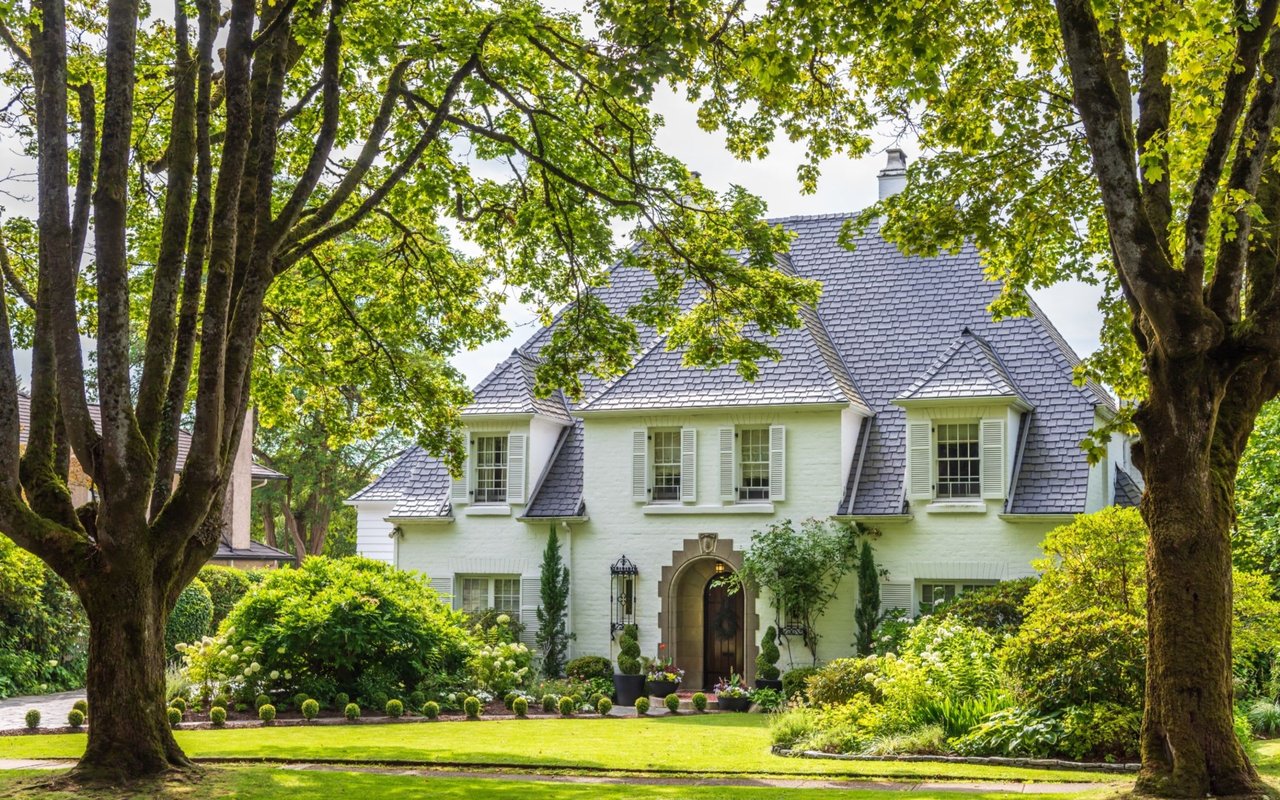
- Established residential areas with mature landscaping
- Proximity to parks, trails, and outdoor recreation
Buyers new to the area often start with the Sandy Springs neighborhood page to understand how the community fits within the larger Atlanta market.
Location and Accessibility
Sandy Springs sits along the northern edge of Atlanta, bordered by Buckhead to the south and Dunwoody to the north. Its location provides direct access to major transportation corridors, including GA 400 and I-285.
MARTA stations in Sandy Springs make commuting into Buckhead and Midtown manageable for buyers who prefer public transit. Driving times to Midtown are often shorter than expected, especially outside peak rush hours.
This accessibility is a major factor for buyers who work in Midtown or Buckhead but prefer not to live in high-density urban environments. Buyers comparing locations often evaluate Sandy Springs alongside neighborhoods listed in the Atlanta neighborhoods hub.
Housing Options in Sandy Springs
Sandy Springs offers a wide range of housing types, making it suitable for many stages of life. Buyers will find:
- Single-family homes in established neighborhoods
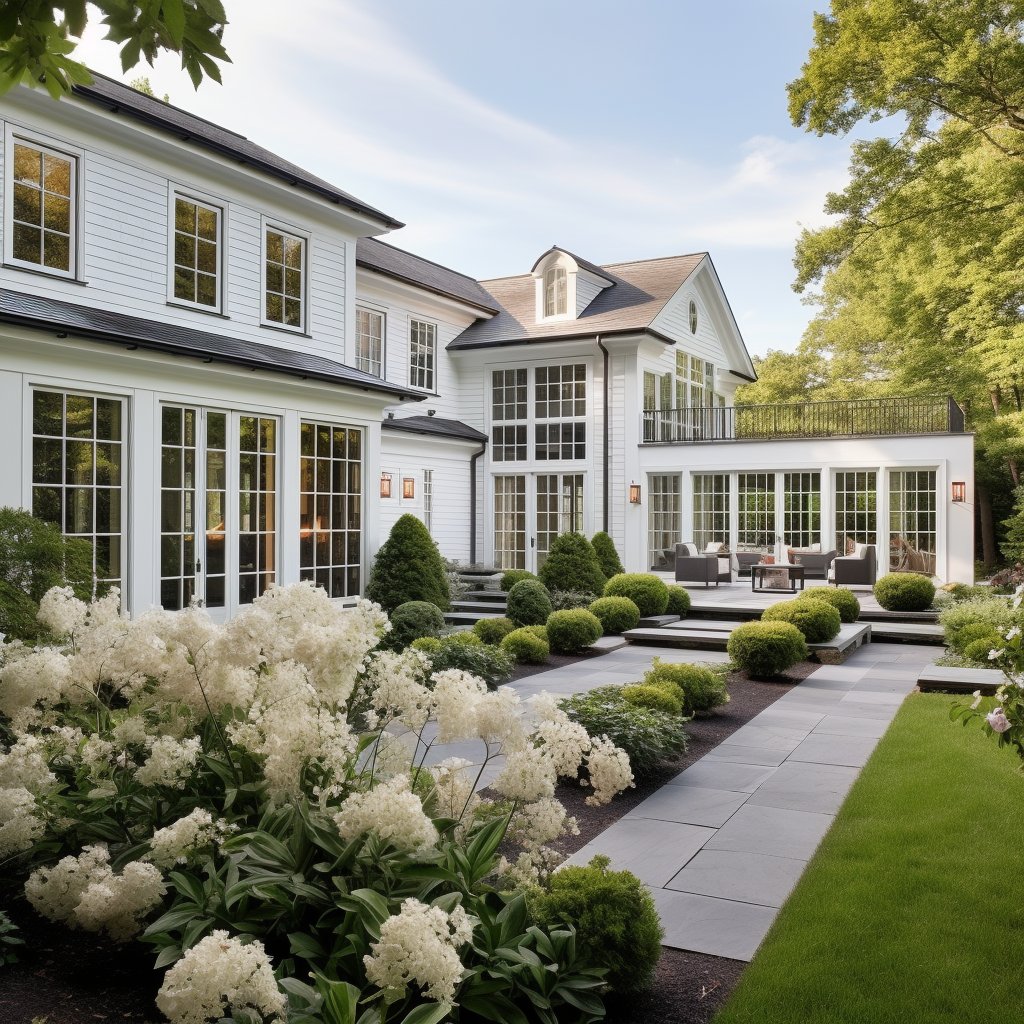
- Newer construction homes with modern layouts
- Townhomes offering low-maintenance living
- Select condo communities near commercial centers
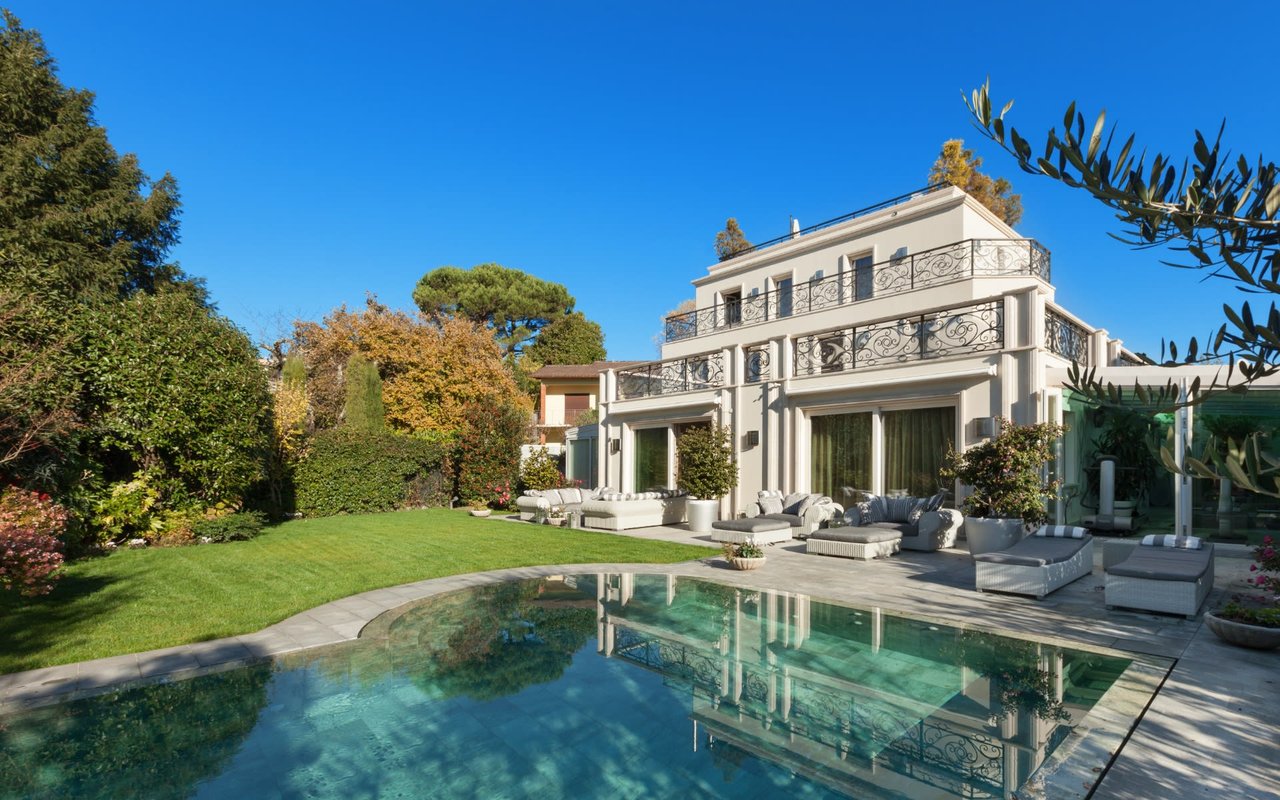
Single-family homes are the most common choice, especially for buyers who prioritize space, yards, and privacy. Townhomes and condos appeal to downsizers and professionals who want proximity to amenities without full home maintenance responsibilities.
Buyers exploring different housing styles may also compare Sandy Springs to condo-heavy areas like Midtown or Buckhead, where vertical living is more common.
Suburban Lifestyle With Urban Convenience
Sandy Springs is known for its quieter residential feel, but it does not lack amenities. Shopping centers, restaurants, fitness studios, and medical facilities are spread throughout the area, reducing the need for long drives.
Buyers who enjoy dining out and entertainment still have easy access to Buckhead’s commercial districts and Midtown’s cultural venues. This flexibility allows residents to enjoy city offerings while returning home to a calmer environment.
Parks and Outdoor Living
Access to outdoor space is one of Sandy Springs’ strongest selling points. The area is home to multiple parks and trail systems, offering residents opportunities for walking, biking, and recreation.
For buyers who value green space but want more privacy than large city parks provide, Sandy Springs offers a compelling alternative. This focus on outdoor living often appeals to buyers relocating from other metro areas.
How Sandy Springs Compares to Intown Neighborhoods
Compared to neighborhoods like Midtown or Virginia Highland, Sandy Springs offers more space and less density. Homes typically sit on larger lots, and streets are quieter overall.
However, buyers should consider trade-offs. Walkability is more limited compared to urban cores, and driving is more common for daily errands. Buyers who prioritize walkable lifestyles may prefer areas closer to Midtown, while those prioritizing comfort and space often favor Sandy Springs.
Understanding these differences is part of broader market education available through the Real Estate 101 section.
Home Values and Market Stability
Sandy Springs has shown consistent demand due to its location, housing stock, and accessibility. Homes often retain value well, especially those in established neighborhoods with strong school zones and convenient access to major roads.
Buyers looking for long-term stability often see Sandy Springs as a balanced option between urban volatility and suburban predictability. Sellers also benefit from a steady pool of buyers seeking this lifestyle.
Who Is Sandy Springs Best For?
- Buyers seeking more space than intown neighborhoods offer
- Professionals commuting to Buckhead or Midtown
- Families looking for established residential areas
- Relocating buyers adjusting to Atlanta living
- Homeowners planning long-term residence
Buying Tips for Sandy Springs
Buyers should consider commute patterns, neighborhood layouts, and proximity to daily conveniences. Touring different sections of Sandy Springs can reveal significant variation in home styles and street environments.
First-time buyers may find it helpful to review educational resources on the First-Time Homeowners page before beginning their search.
Is Sandy Springs Right for You?
Sandy Springs offers a lifestyle that appeals to buyers who want room to breathe while staying connected to Atlanta. Its combination of accessibility, housing variety, and community feel continues to attract a wide range of buyers.
Working with a local real estate team familiar with both intown and suburban markets helps buyers make informed decisions. If you are considering a move to Sandy Springs or want to compare it to other Atlanta neighborhoods, you can start a conversation through the Space Intown contact page.
To explore additional communities across Atlanta, visit the Atlanta neighborhoods hub.