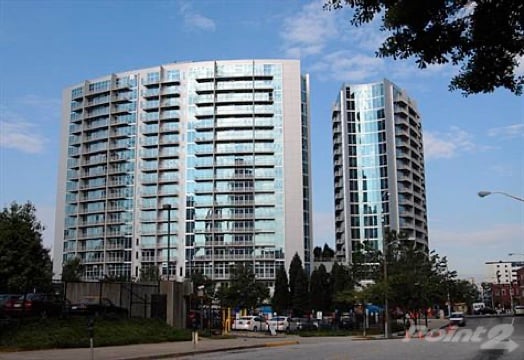
In much of the metro area, that reputation is understandable. Everyday errands, commuting, dining, and entertainment can require driving considerable distances.
Midtown Atlanta is different.
With a dense street grid, MARTA rail stations, grocery stores, restaurants, offices, parks, cultural attractions, and everyday services concentrated within a relatively compact area, Midtown is one of the places in Atlanta where living without a car can be realistic.
But there is an important distinction between being able to live without a car and never needing access to one.
Your workplace, exact address, lifestyle, family connections, shopping habits, and destinations outside Midtown will determine whether going completely car-free is practical or whether a car-light lifestyle makes more sense.
Here is what prospective Midtown residents should consider.
Explore Midtown Atlanta real estate, browse Midtown condo buildings, or contact The Agency Atlanta Intown if walkability and transportation are priorities in your home search.
How Walkable Is Midtown Atlanta?
Midtown is one of Atlanta's strongest environments for getting around on foot.
The neighborhood combines residential buildings, offices, restaurants, retail, parks, entertainment, and cultural destinations within a relatively compact urban district.
For someone who chooses the right location, many everyday trips can potentially be completed without getting into a car.
Depending on where you live, you may be able to walk to:
- Grocery stores
- Restaurants
- Coffee shops
- Fitness studios
- Piedmont Park
- Pharmacies
- MARTA
- Entertainment
- Arts and cultural institutions
- Professional services
- Workplaces
That concentration of destinations is what makes a car-free or car-light lifestyle possible.
Midtown Has Four MARTA Rail Stations
Midtown's transportation advantage extends beyond walkability.
The broader Midtown district is served by four MARTA rail stations:
- North Avenue
- Midtown
- Arts Center
- Civic Center
For someone living near a station, MARTA can significantly expand the number of destinations accessible without owning a vehicle.
MARTA Can Take You Directly to the Airport
One of the strongest arguments for car-free Midtown living is access to Hartsfield-Jackson Atlanta International Airport.
MARTA's Red Line connects Midtown-area stations with Airport Station.
That means a resident near the rail line can travel from Midtown to the airport without driving, paying for airport parking, or arranging a car for the entire trip.
For frequent travelers, that can be particularly convenient.
You Can Also Reach Buckhead by Rail
MARTA's north-south rail service also connects Midtown with Buckhead and other destinations along the corridor.
That can make Midtown particularly practical for someone who lives in Midtown but works near a MARTA station elsewhere in the city.
A commute that begins and ends near rail can be substantially easier without a car than one requiring multiple transfers or a long walk from the final station.
Your Exact Midtown Address Matters
Not every part of Midtown provides the same car-free experience.
A condo immediately between a grocery store, MARTA station, restaurants, and daily services may make car-free living extremely convenient.
Another property may technically be in Midtown but require longer walks for the same needs.
Before buying, do not evaluate walkability solely by neighborhood name.
Evaluate the actual address.
Try the Walk Yourself
If living without a car is important to you, walk the neighborhood before buying.
Start at the condo building and walk to:
- The nearest grocery store
- The nearest MARTA station
- Your preferred coffee shop
- A pharmacy
- Piedmont Park
- Restaurants you would actually use
A five-minute walk and a 20-minute walk may both appear "walkable" on a map, but they create very different everyday experiences.
Grocery Shopping Is One of the Biggest Tests
Restaurants and coffee shops are easy to associate with walkable living.
Groceries require more planning.
When evaluating a Midtown home, ask:
- How far is the nearest grocery store?
- Is the route comfortable to walk?
- How much can I realistically carry home?
- Would I use grocery delivery for larger orders?
- Do I tend to shop several times per week or make one large weekly trip?
A household accustomed to buying a week's worth of groceries at once may approach car-free living differently from someone who shops for smaller amounts every few days.
Delivery Services Have Changed Car-Free Living
Modern delivery services can eliminate some of the trips that once made car ownership almost essential.
Residents may choose delivery for:
- Groceries
- Household supplies
- Furniture
- Pet food
- Restaurant meals
- Large retail purchases
That can make living without a personal vehicle easier than it would have been in the past.
Of course, delivery has a cost, so someone considering a car-free lifestyle should include those expenses in the comparison.
Piedmont Park Can Become Your Backyard
For many Midtown residents, Piedmont Park is a major part of the neighborhood's appeal.
Living nearby provides convenient access to green space without needing to drive to it.
Residents may use the park for:
- Walking
- Running
- Recreation
- Dog walking
- Sports
- Picnics
- Events
- Relaxing outdoors
For condo owners without a private yard, proximity to Piedmont Park can be particularly valuable.
Related reading: Living Near Piedmont Park: What Homebuyers Should Know
Midtown's Cultural District Is Walkable From Many Condos
Another advantage of Midtown is the concentration of arts and cultural destinations.
Depending on your location, you may be able to walk to destinations such as:
- High Museum of Art
- Alliance Theatre
- Atlanta Symphony Orchestra
- Fox Theatre
- Atlanta Botanical Garden
That can change the experience of living in the neighborhood.
Instead of planning an evening around driving and parking, entertainment can become something you simply walk to from home.
Restaurants Are Part of the Equation
Midtown has a substantial concentration of restaurants within its urban core.
For a car-free resident, that means dining out does not necessarily require transportation planning.
The same can apply to:
- Bars
- Coffee shops
- Casual dining
- Fine dining
- Takeout
- Weekend brunch
Living near several different dining districts can make a significant difference in how often a resident actually needs a vehicle.
Working in Midtown Can Make Car-Free Living Much Easier
The ideal car-free scenario may be someone who both lives and works in Midtown.
A resident may be able to commute:
- On foot
- By bicycle
- By scooter
- By MARTA
Removing the daily automobile commute can dramatically reduce the number of trips for which a car is needed.
Working From Home Changes the Equation Too
Remote and hybrid work can make car-free living more practical.
If you commute only occasionally, paying for a car, insurance, fuel, maintenance, registration, and parking may feel less necessary.
A resident may instead combine:
- Walking
- MARTA
- Rideshare
- Rental cars
- Occasional car-share options
The right combination depends on individual travel patterns.
Where You Work Matters More Than How Far Away It Is
Distance alone does not determine whether a car-free commute works.
A workplace several miles away but directly accessible by MARTA may be easier to reach than a workplace only a few miles away with poor transit access.
Before buying, test the actual commute.
Do not simply ask:
How far is work?
Ask:
How would I get there without a car?
North-South Trips Can Be Easier Than East-West Trips
This is one of the important limitations of relying on transit in Midtown.
MARTA rail provides strong north-south connectivity through the neighborhood.
Trips that follow that rail corridor can be relatively straightforward.
East-west travel can require buses, rideshare, cycling, scooters, walking, or another solution depending on the destination.
That is why someone working in Buckhead near MARTA may find a car-free Midtown lifestyle easier than someone commuting to a location several miles east or west of the rail system.
Living Without a Car Is Different From Never Riding in a Car
This distinction is important.
You can live without owning a car while still occasionally using one.
A car-free Midtown resident might walk most days, use MARTA for longer trips, and occasionally use rideshare or rent a vehicle.
That can be very different financially and practically from maintaining a personal vehicle that sits in a condo garage most of the week.
Rideshare Can Fill Some Transportation Gaps
Rideshare can be useful when:
- The destination is not near MARTA
- You are carrying something heavy
- The weather is poor
- You are traveling late at night
- You need to reach another Intown neighborhood quickly
Someone evaluating car-free living should estimate how frequently these situations are likely to occur.
Occasional rideshare use may still cost considerably less than owning a vehicle, depending on the household.
But Frequent Rideshare Can Change the Economics
If you need rideshare twice a day, every day, eliminating your vehicle may not produce the savings you expected.
Estimate your actual transportation needs before deciding.
Compare the annual cost of:
- Car payment
- Insurance
- Fuel
- Maintenance
- Registration
- Parking
with the expected cost of:
- MARTA
- Rideshare
- Rental cars
- Delivery services
- Other transportation
Biking Can Expand Your Range
A bicycle can make destinations beyond comfortable walking distance much easier to reach.
Midtown has bike infrastructure, and the broader Intown network provides connections toward nearby neighborhoods and destinations.
For some residents, the combination of walking, biking, and MARTA eliminates many automobile trips.
Bike Storage Matters When Choosing a Condo
If cycling will be part of your transportation plan, investigate the building itself.
Ask:
- Does the building have secure bicycle storage?
- Can bicycles be taken in the elevator?
- Is there a bike room?
- Is bike storage included or separately charged?
- How easy is it to enter and exit the property with a bicycle?
A building that accommodates bicycles well can make a car-light lifestyle significantly easier.
Scooters Can Help With Shorter Trips
Shared and personal scooters can provide another option for relatively short urban trips.
They may be particularly useful when a destination feels slightly too far to walk but does not justify a car trip.
As with cycling, residents should consider traffic conditions, infrastructure, weather, and their own comfort level.
What About Getting to the BeltLine?
Midtown residents can reach the Atlanta BeltLine's Eastside Trail and the neighborhoods surrounding it through connections east of the Midtown core.
Depending on where you live, walking or cycling can make destinations along the BeltLine accessible without a personal vehicle.
That can expand a car-free resident's practical range into nearby Intown neighborhoods.
Related reading: Buying Near the BeltLine: What to Know
Living Near the Midtown MARTA Station
The Midtown MARTA station at 10th Street is particularly convenient for residents in the central portion of the neighborhood.
A condo within a short walk can make rail part of everyday transportation rather than something used only occasionally.
For a buyer who intends to live without a car, the difference between being a few blocks from rail and being much farther away can be significant.
Living Near Arts Center Station
Arts Center Station serves the northern portion of Midtown and is convenient to the Woodruff Arts Center area and surrounding residential and commercial development.
It can also provide useful connections for residents living closer to 14th, 15th, 16th, and 17th Streets.
Living Near North Avenue Station
For buyers looking toward southern Midtown, North Avenue Station can provide another direct connection to MARTA's north-south rail network.
Again, exact building location matters.
A property that allows you to walk comfortably to rail may support a very different lifestyle from one requiring another transportation step just to reach the station.
Could You Live Car-Free Near Piedmont Park?
Potentially, yes.
The area surrounding Piedmont Park can provide convenient access to recreation, dining, groceries, and other Midtown destinations.
But buyers should consider the distance to MARTA as well as the distance to the park.
If regional transit is important, the ideal location may balance both.
Do You Need a Parking Space If You Do Not Own a Car?
This is an interesting question for condo buyers.
A car-free buyer may have no immediate use for an assigned parking space.
But parking can still matter for:
- Future lifestyle changes
- Guests
- A future vehicle
- Resale
- Potential leasing, where permitted
A condo with parking may appeal to a broader group of future buyers even if the current owner never uses the space.
Related reading: How Parking Spaces Affect Atlanta Condo Values
Going Car-Free Could Change Which Condo You Buy
If you do not need two parking spaces, you may be able to prioritize other features.
Depending on the available inventory, those might include:
- Better view
- Higher floor
- Larger floor plan
- Renovated interior
- Balcony
- Closer proximity to MARTA
- Closer proximity to Piedmont Park
Your transportation choices can therefore influence your real estate priorities.
Car-Free Living Can Make Condo Parking Less Important to You, But Not to the Market
Personal utility and resale value are different questions.
You may never use your parking space.
The next buyer may consider it essential.
When comparing condos, consider both your current lifestyle and the likely expectations of future buyers.
What About Couples With One Car?
For many households, going completely car-free may be unnecessary.
A one-car household can be a practical compromise.
One person may commute primarily by walking or MARTA while the household retains a vehicle for:
- Weekend trips
- Large shopping trips
- Suburban destinations
- Family obligations
- Emergencies
For couples moving from a more car-dependent part of metro Atlanta, reducing from two vehicles to one can still represent a meaningful lifestyle change.
Car-Light May Be More Realistic Than Car-Free
This may be the best description of Midtown for many residents.
Instead of asking whether you can eliminate a car completely, ask how often you actually need to drive.
A Midtown resident might:
- Walk to work
- Walk to restaurants
- Walk to the park
- Take MARTA to the airport
- Use transit for some regional trips
- Drive only occasionally
That is a very different lifestyle from depending on a car for nearly every trip.
When Living Without a Car May Be Difficult
A car-free Midtown lifestyle may be less practical if you regularly need to:
- Commute to areas poorly served by transit
- Travel throughout metro Atlanta for work
- Transport children to distant activities
- Carry large amounts of equipment
- Visit suburban family frequently
- Make regular trips to locations far from rail or bus service
In those situations, living in Midtown can still reduce how frequently you drive without eliminating the need for a vehicle.
Weather Matters
Walking in Atlanta is not the same experience every day of the year.
Summer heat, humidity, thunderstorms, and occasional cold winter days can make a walk that feels pleasant in October less appealing at another time of year.
When testing a car-free lifestyle, think beyond perfect weather.
Consider what you would do on a hot afternoon or during heavy rain.
Car-Free Living May Influence Your Building Choice
For someone planning to live without a vehicle, certain building characteristics may become particularly important.
Look for:
- Short walk to MARTA
- Nearby grocery options
- Walkable restaurants
- Package room or concierge
- Secure bicycle storage
- Convenient rideshare pickup area
- Easy pedestrian access
- Proximity to Piedmont Park
A building's transportation convenience can become almost as important as its amenities.
Do the Car-Free Test Before You Buy
If you are seriously considering living without a car, spend a day experiencing the neighborhood that way.
Park your vehicle and leave it there.
Then try to:
- Get coffee.
- Buy groceries.
- Take MARTA somewhere.
- Visit Piedmont Park.
- Have lunch or dinner.
- Run an everyday errand.
- Return to the condo building after dark.
You will learn far more from that experience than from looking at a walkability score alone.
Questions to Ask Before Choosing a Car-Free Midtown Home
- How far is the nearest MARTA station?
- How far is the nearest grocery store?
- Can I comfortably walk to my everyday errands?
- Can I reach work by walking or transit?
- What destinations do I visit regularly outside Midtown?
- Are those destinations accessible without a car?
- How often would I realistically need rideshare?
- Would grocery delivery make sense?
- Does the building have bicycle storage?
- Is rideshare pickup convenient?
- Do I travel frequently enough to value direct MARTA airport access?
- Would a one-car household make more sense than going completely car-free?
- Does the condo include parking even if I do not currently need it?
- Would the parking arrangement help resale?
- Have I actually walked the neighborhood rather than relying on a map?
Who Is Most Likely to Enjoy Car-Free Midtown Living?
Living without a personal vehicle may work particularly well for someone who:
- Works in Midtown or Downtown
- Works remotely
- Works near a MARTA station
- Travels frequently by air
- Enjoys walking
- Uses grocery delivery
- Lives close to rail
- Does not routinely travel throughout the suburbs
- Values restaurants, parks, and cultural attractions within walking distance
Who May Be Better Suited to a Car-Light Lifestyle?
Keeping a vehicle may make more sense if you:
- Work outside the MARTA network
- Frequently travel across metro Atlanta
- Regularly visit suburban destinations
- Need to transport equipment
- Have household transportation needs that change throughout the week