For many homeowners, becoming an empty nester creates an opportunity to reconsider what they want from their home.
The house that made sense when children were at home may now have bedrooms that rarely get used, a yard that still requires maintenance, and more space than two people need every day.
That does not necessarily mean it is time to move.
But it can raise an interesting question:
Would life be easier, more convenient, or simply more enjoyable in a condo?
For Atlanta empty nesters, Midtown is one of the places worth considering.
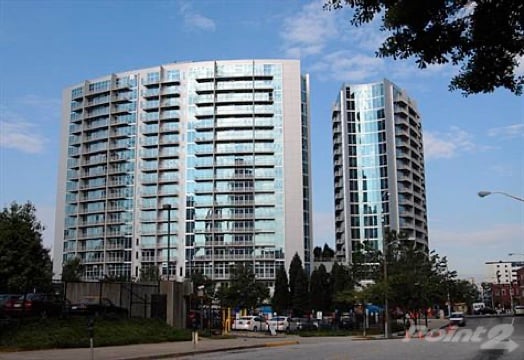
The neighborhood combines condominium living with Piedmont Park, restaurants, arts and cultural institutions, MARTA, everyday services, and a walkable urban environment. Depending on the building, residents may also have amenities such as concierge service, fitness centers, pools, clubrooms, guest suites, and controlled-access parking.
The tradeoff is significant. Moving from a single-family home to a condo usually means less private space, less storage, shared ownership responsibilities, HOA fees, and rules that did not exist in a detached home.
For some empty nesters, that exchange is exactly what they want.
For others, it is not.
Here is how to decide whether Midtown condo living fits the next stage of your life.
Explore Midtown Atlanta real estate, browse Midtown condo buildings, or contact The Agency Atlanta Intown for help comparing Midtown properties.
Why Empty Nesters Consider Midtown
Downsizing does not always mean moving farther from the city.
Some homeowners want exactly the opposite.
After years of choosing a home around schools, bedrooms, yard space, and family logistics, an empty nester may be able to choose a location based more heavily on personal lifestyle.
That can make Midtown appealing.
Depending on where you live, everyday destinations may include:
- Piedmont Park
- Restaurants
- Coffee shops
- Arts and cultural institutions
- Fitness options
- Grocery shopping
- MARTA
- Professional services
- Entertainment
The result can be a lifestyle in which leaving the house does not always mean getting into a car.
Downsizing Is Really About Right-Sizing
The word "downsizing" can make the decision sound like it is primarily about reducing square footage.
For many empty nesters, that is not the real objective.
The goal may be to eliminate space they no longer use while improving the quality of the space they use every day.
A homeowner might move from a 4,000-square-foot house into a 1,800-square-foot condo and gain:
- A better primary suite
- A renovated kitchen
- A large balcony
- Skyline or park views
- Building amenities
- A more walkable location
- Less exterior maintenance
That can feel less like downsizing and more like reorganizing priorities.
How Much Space Do You Actually Use?
One useful exercise is to think about your current home room by room.
Ask yourself:
- How often do we use the formal dining room?
- How often are the additional bedrooms occupied?
- Do we still need a large yard?
- How often do we use the basement?
- How much storage are we keeping simply because we have it?
- Which rooms do we actually live in every day?
You may discover that a large percentage of your home is used only occasionally.
But Do Not Downsize Too Aggressively
Moving from a large house into a condo requires adjustment.
A property can look spacious during a showing and feel much smaller once furniture, clothing, kitchen items, artwork, and personal belongings arrive.
Before purchasing, think realistically about:
- Closet space
- Kitchen storage
- Furniture
- Seasonal items
- Luggage
- Sports equipment
- Holiday decorations
- Family keepsakes
The right condo should simplify your life without making you feel constrained.
Storage Becomes Much More Important
Storage is one of the most underestimated issues when moving from a house to a condo.
A single-family homeowner may be accustomed to having:
- Garage storage
- Attic space
- Basement space
- Utility closets
- Extra bedrooms
A condo may have none of those.
When touring, evaluate every closet and determine whether the unit includes separate storage elsewhere in the building.
Related reading: Why Condo Storage Units Matter More Than Buyers Think
A Lock-and-Leave Lifestyle Can Be a Major Advantage
One of the strongest reasons empty nesters consider condo living is convenience when traveling.
With a single-family home, an extended trip may require thinking about:
- Yard maintenance
- Exterior maintenance
- Packages
- Security
- Storm damage
- General property oversight
A condominium can reduce some of those responsibilities.
Depending on the building, owners may benefit from controlled access, on-site staff, package management, and association responsibility for many common elements.
For someone who wants to travel more after children leave home, that can be particularly attractive.
Related reading: The Rise of Lock-and-Leave Living in Buckhead
Less Maintenance Does Not Mean No Maintenance
Condo living is sometimes described as maintenance-free.
That is not entirely accurate.
Owners are still generally responsible for maintaining portions of their individual residence according to the condominium documents.
That may include:
- Interior finishes
- Appliances
- Some plumbing components
- Some HVAC equipment
- Fixtures
- Other unit-specific systems
The difference is that the association generally assumes responsibility for specified common elements.
The exact division of responsibility varies by condominium.
You Trade Individual Maintenance for Shared Expenses
A homeowner pays directly for the roof, exterior, yard, driveway, and other property expenses.
A condo owner pays regular association assessments that help fund the building's common expenses.
That can create greater convenience, but it does not make those costs disappear.
Instead, they are shared among owners according to the condominium's governing structure.
Understand the HOA Fee Before Buying
Midtown condo fees vary considerably by building.
Higher-service properties may include expenses associated with:
- Concierge or front-desk staff
- Fitness centers
- Pools
- Clubrooms
- Common-area maintenance
- Building insurance
- Management
- Security systems
- Utilities included by the association
Do not compare HOA fees without comparing what they include.
Related reading: What Buyers Need to Know About HOA Fees
Review the Association's Financial Health
For an empty nester planning to remain in the condo for many years, the financial condition of the association is particularly important.
Review available information about:
- Reserve funds
- Annual budgets
- Special assessments
- Upcoming capital projects
- Association debt
- Insurance
- Owner delinquencies
A beautifully renovated unit does not eliminate financial issues elsewhere in the building.
Related reading: What Happens When a Condo HOA Is Underfunded?
Special Assessments Should Be Part of the Analysis
Major building projects may sometimes require owners to contribute money beyond their regular monthly HOA assessment.
Before buying, ask whether any assessments are:
- Currently being collected
- Recently approved
- Under discussion
- Potentially associated with upcoming projects
A special assessment does not automatically make a condo a poor choice, but buyers should understand the obligation and the project it funds.
Related reading: What Buyers Should Know About Condo Special Assessments
Piedmont Park Can Replace Part of the Backyard Experience
Giving up a private yard can be one of the biggest psychological adjustments for someone moving from a house.
Living near Piedmont Park can change that equation.
The park provides more than 200 acres of public green space with opportunities for walking, running, recreation, dog walking, sports, picnics, and events.
For some condo residents, the park effectively becomes their outdoor space without requiring them to mow, landscape, irrigate, or maintain it.
That is not the same as having a private backyard.
For the right person, it may be a worthwhile exchange.
A Piedmont Park View Can Strengthen the Connection
Some Midtown condo buildings and individual residences overlook Piedmont Park.
A park-facing residence can provide a strong visual connection to green space even while living in a high-rise environment.
For someone transitioning from a house surrounded by trees or landscaping, that may be especially appealing.
Related reading: Should You Buy a Condo Facing Piedmont Park?
Walkability Can Change Everyday Life
One of the biggest lifestyle changes may happen outside the condo.
In a more car-dependent neighborhood, going to dinner may involve:
- Getting in the car
- Driving to the restaurant
- Finding parking
- Driving home
In Midtown, depending on your building, dinner may simply be a walk down the street.
The same may apply to coffee, exercise, groceries, cultural events, or a walk in the park.
You May Drive Less Without Giving Up Your Car
Moving to Midtown does not require becoming car-free.
Many empty nesters may find that a car-light lifestyle is the better fit.
You might keep a vehicle for:
- Visiting family
- Weekend trips
- Suburban destinations
- Large shopping trips
while walking for many everyday activities.
Related reading: Can You Live in Midtown Atlanta Without a Car?
MARTA Can Be Particularly Useful for Travel
Midtown has multiple MARTA rail stations, providing access to Atlanta's rail network.
For frequent travelers, one of the most useful connections is direct rail service to Hartsfield-Jackson Atlanta International Airport.
That can complement the lock-and-leave advantages of condo living.
Arts and Culture Become Easier to Use
Midtown contains some of Atlanta's best-known cultural destinations.
Depending on where you live, residents may be able to walk to or easily reach:
- High Museum of Art
- Atlanta Symphony Orchestra
- Alliance Theatre
- Fox Theatre
- Atlanta Botanical Garden
Living nearby can change these institutions from occasional destinations into part of everyday neighborhood life.
Restaurants and Social Life Can Be Closer to Home
Empty nesters may find that moving to Midtown changes how they socialize.
Meeting friends for dinner, having a drink, going to brunch, or attending an event may no longer require the same amount of driving and planning.
That convenience can become one of the less obvious benefits of urban condo living.
Condo Amenities Can Replace Features of a Larger Home
A smaller private residence does not necessarily mean fewer spaces available to you.
Depending on the building, shared amenities may include:
- Fitness center
- Swimming pool
- Clubroom
- Outdoor entertaining areas
- Business center
- Guest suites
- Grilling areas
- Concierge service
A homeowner who rarely used a private pool or home gym may prefer having access to shared versions without maintaining them personally.
Guest Suites Can Be Particularly Useful
One concern empty nesters often have is where adult children, family, or friends will stay when visiting.
Some condominium buildings offer guest accommodations that residents can reserve.
Where available, that can reduce the need to maintain an extra bedroom solely for occasional guests.
Before relying on this amenity, verify:
- Whether guest suites actually exist
- Reservation rules
- Nightly fees
- Maximum stays
- How far in advance reservations can be made
But You May Still Want a Second Bedroom
Even with building guest accommodations, many empty nesters prefer a two-bedroom condo.
The second bedroom can serve as:
- Guest room
- Home office
- Exercise room
- Den
- Flexible living space
A two-bedroom or two-bedroom-plus-den layout can provide a useful compromise between downsizing and maintaining flexibility.
Floor Plan May Matter More Than Square Footage
A well-designed 1,500-square-foot condo can sometimes function better than a poorly configured property with substantially more space.
Empty nesters should look for:
- Good bedroom separation
- Comfortable living and dining space
- Useful closets
- Kitchen storage
- Guest privacy
- Home-office potential
- Minimal wasted hallway space
Do not choose a condo based on square footage alone.
Think Carefully About Furniture
Large furniture from a single-family home may not translate well to condo living.
Before moving, measure:
- Sofas
- Dining tables
- Bedroom furniture
- Artwork
- Cabinets
- Desks
Then compare those dimensions with the condo floor plan.
Sometimes downsizing the furniture is just as important as downsizing the house.
Balconies Can Become Important Living Space
For someone accustomed to a deck, patio, or porch, a good balcony may matter more than expected.
Evaluate:
- Size
- Depth
- View
- Sun exposure
- Wind
- Privacy
- Building rules
A usable terrace or balcony can help preserve the feeling of having private outdoor space.
Views May Become More Important After Leaving a House
A single-family home often provides visual separation from neighbors through yards, trees, and landscaping.
A condo may instead provide that sense of openness through elevation and views.
Midtown residences may offer:
- Piedmont Park views
- Midtown skyline views
- Downtown skyline views
- Eastern horizons
- Tree-canopy views
For someone spending more time at home, the orientation can meaningfully influence the ownership experience.
Parking Still Matters
Even if you expect to drive less, do not ignore parking.
A two-car household may still want two spaces.
Evaluate whether they are:
- Covered
- Side by side
- Tandem
- Near the elevator
- Easy to maneuver into
- Equipped or adaptable for EV charging
Parking can also matter when you eventually resell the property.
Related reading: How Parking Spaces Affect Atlanta Condo Values
Consider Elevator Dependence
High-rise living means elevators become part of everyday life.
That may seem obvious, but someone moving from a house should consider:
- Number of elevators
- Typical wait times
- Service elevator availability
- Elevator modernization history
- Backup procedures during maintenance
In a taller building, elevator quality can have a noticeable effect on daily convenience.
Building Staff Can Make a Difference
Some Midtown buildings provide services such as:
- Concierge
- Front desk
- On-site management
- Maintenance staff
- Package handling
For an empty nester transitioning from a private home, those services can make condo ownership feel easier.
They also contribute to operating costs, so buyers should evaluate whether they value the services enough to justify the associated HOA expense.
Privacy Feels Different in a Condo
Condo living is inherently more communal than detached-home living.
You may share:
- Elevators
- Hallways
- Amenities
- Parking areas
- Walls or floors
Some homeowners enjoy the additional interaction.
Others strongly prefer the privacy of a detached home.
Neither preference is better. It is simply important to know which environment suits you.
Noise Should Be Evaluated Carefully
When touring, pay attention to:
- Neighboring units
- Elevators
- Hallways
- Street traffic
- Nearby nightlife
- Construction
- Piedmont Park events
Visit at different times of day when possible.
A condo that feels quiet on a weekday morning may feel different on a Saturday evening.
Pets Can Influence the Building Choice
For empty nesters with dogs, the transition from a house with a yard to a high-rise deserves particular consideration.
Ask:
- What are the building's pet rules?
- Is there a weight or number limit?
- Is there a dog walk area?
- How long does it take to get from the unit to outside?
- How close is Piedmont Park?
A building that works beautifully for someone without a pet may be less convenient for someone taking a dog outside several times a day.
Condo Rules Are an Adjustment
Single-family homeowners often have substantial control over their property.
Condo ownership includes more rules.
Those may address:
- Renovations
- Pets
- Leasing
- Move-in procedures
- Balcony use
- Flooring
- Noise
- Parking
- Guests
Read the rules before buying and make sure they are compatible with how you intend to live.
Renovating a Condo Is Different From Renovating a House
If you are considering an older Midtown condo that needs updating, remember that renovations may require association approval.
There may be restrictions involving:
- Work hours
- Contractor insurance
- Elevator reservations
- Flooring materials
- Plumbing changes
- Electrical work
- Debris removal
A renovation that would be straightforward in a house may require more coordination in a condominium.
One-Level Living Can Be Attractive
Many condominium floor plans place the entire residence on one level.
For buyers thinking long term, eliminating interior stairs can be appealing.
That does not mean every condo is equally accessible.
Buyers should still consider:
- Building entrances
- Elevator access
- Parking location
- Door widths
- Bathroom configuration
- Thresholds
Think About the Home You Will Want Ten Years From Now
Empty nesters may plan to remain in their next residence for a long time.
That makes it useful to think beyond today's preferences.
Ask:
- Will this floor plan still work for us?
- Will we want two cars?
- Will stairs become inconvenient?
- Is the building easy to navigate?
- Can family visit comfortably?
- Does the building offer the services we may value later?
The goal is not to predict every future need.
It is to choose a property with enough flexibility to remain comfortable.
Should You Sell the House Before Buying the Condo?
This depends on finances, market conditions, and personal comfort.
Some homeowners prefer to sell first so they know exactly how much equity is available.
Others want to secure the right condo before giving up their current home.
The right sequence may depend on:
- Available cash
- Financing
- Current-home marketability
- Desired condo inventory
- Timing flexibility
A coordinated strategy can reduce the pressure of trying to make two major transactions line up perfectly.
Should You Rent in Midtown Before Buying?
For someone uncertain about urban condo living, renting can provide a trial period.
It may help answer questions such as:
- Do we enjoy high-rise living?
- Do we use the neighborhood?
- How much do we actually walk?
- Do we miss having a yard?
- How much space do we really need?
But renting first is not necessary for everyone, particularly if you already spend significant time in Midtown and understand the lifestyle well.
Midtown Condo vs Buckhead Condo
Empty nesters frequently compare Midtown and Buckhead.
Both offer luxury condominium options, but the lifestyle can differ.
Midtown may appeal particularly to buyers prioritizing:
- Piedmont Park
- Arts and culture
- Dense walkability
- MARTA access
- Urban street life
Buckhead may appeal to buyers prioritizing a different mix of luxury residences, shopping, dining, and neighborhood environments.
The right choice depends on where you want to spend your time.
Midtown Condo vs Keeping the House
The decision becomes clearer when you compare lifestyles rather than properties.
Keeping the house may provide:
- More space
- Private outdoor areas
- More storage
- Greater separation from neighbors
- More control over the property
A Midtown condo may provide:
- Less exterior maintenance
- Walkability
- Building amenities
- Controlled access
- Potential lock-and-leave convenience
- Closer proximity to entertainment and culture
Neither lifestyle is universally better.
The question is which set of advantages matters more now.
Do Not Assume a Condo Will Cost Less
Downsizing does not necessarily mean reducing your housing expense.
A desirable Midtown condo may include:
- Higher price per square foot
- Monthly HOA fees
- Property taxes
- Insurance
- Parking-related costs
- Potential assessments
Someone moving from a mortgage-free house may find that the financial benefit is smaller than expected.
The decision should therefore be based on both lifestyle and economics.
But Consider the Expenses You Are Leaving Behind
A fair comparison should also include the costs of maintaining the current house.
Those may include:
- Landscaping
- Exterior painting
- Roof replacement
- Gutter maintenance
- Pool maintenance
- Tree work
- Driveway repairs
- Pest control
- Other exterior projects
Some of these expenses are irregular, which makes them easy to underestimate.
Create a True Cost Comparison
Before deciding, compare the annual cost of your current house with the projected annual cost of the condo.
Include:
- Mortgage, if applicable
- Property taxes
- Insurance
- Utilities
- HOA fees
- Maintenance
- Expected capital expenses
- Transportation differences
This creates a more realistic financial comparison than simply looking at purchase prices.
What Should Empty Nesters Look for in a Midtown Condo?
A useful search checklist may include:
- Comfortable primary suite
- At least one flexible guest or office space
- Good closet space
- Dedicated storage
- Usable balcony or terrace
- Appropriate parking
- Convenient elevator access
- Strong association finances
- Amenities you will actually use
- Walkability to your preferred destinations
- Easy access to Piedmont Park, if important
- MARTA access, if important
- Pet-friendly features, if needed
- A floor plan that can work long term
Questions to Ask Yourself Before Downsizing to Midtown
- How much of our current house do we actually use?
- How much storage do we really need?
- How often do family members stay overnight?
- Would we use a second bedroom or den regularly?
- How important is private outdoor space?
- Would we enjoy walking to restaurants and entertainment?
- Would we use Piedmont Park?
- Do we want to travel more?
- How important is a lock-and-leave lifestyle?
- How many parking spaces do we need?
- Would we be comfortable with condo rules?
- Which building amenities would we actually use?
- How much HOA expense are we comfortable carrying?
- Do we want a full-service building or something simpler?
- Could we comfortably live in this condo for the next decade?
Who Is Midtown Condo Living Likely to Suit?
A Midtown condo may be a strong fit for empty nesters who want:
- Less exterior maintenance
- A more walkable lifestyle
- Access to Piedmont Park
- Restaurants close to home
- Arts and cultural destinations nearby
- Easy airport access via MARTA
- Building amenities
- A lock-and-leave residence
- One-level living
- A more urban next chapter
Who May Prefer to Keep a House?
A detached home may remain the better fit for someone who strongly values:
- Large private outdoor space
- Extensive storage
- Multiple guest rooms
- Maximum privacy
- Freedom from association rules
- Large-scale entertaining at home
- Multiple vehicles or garage space
There is no reason to downsize simply because the children have moved out.
The move should improve your life, not simply reduce your square footage.
Final Thoughts
Is Midtown Atlanta condo living a good fit for empty nesters?
For many, it can be.
Midtown offers an opportunity to trade some of the space and maintenance responsibilities of a single-family home for walkability, convenience, amenities, Piedmont Park, cultural attractions, and a more lock-and-leave lifestyle.
But a successful transition depends on choosing the right condo.
Do not downsize so aggressively that storage becomes a daily frustration. Think carefully about guest space, parking, pets, balconies, elevators, and furniture. Review the HOA finances and understand what your monthly assessment actually covers.
Most importantly, choose the neighborhood and building based on the life you want to live next.
If the goal is to spend less time maintaining a house and more time traveling, walking to dinner, visiting Piedmont Park, enjoying Atlanta's cultural institutions, and taking advantage of city life, Midtown can offer a compelling alternative.
If you're considering a move from a single-family home to a Midtown condo, contact The Agency Atlanta Intown. We can help you compare buildings, floor plans, views, parking, HOA structures, amenities, storage, and locations to find a property that fits the next stage of your life.
This article is provided for general informational purposes. Condominium amenities, association finances, fees, rules, transit services, and neighborhood businesses can change. Buyers should independently verify property-specific information and review applicable condominium documents before purchasing.