How Landscaping Influences Buyer Perception
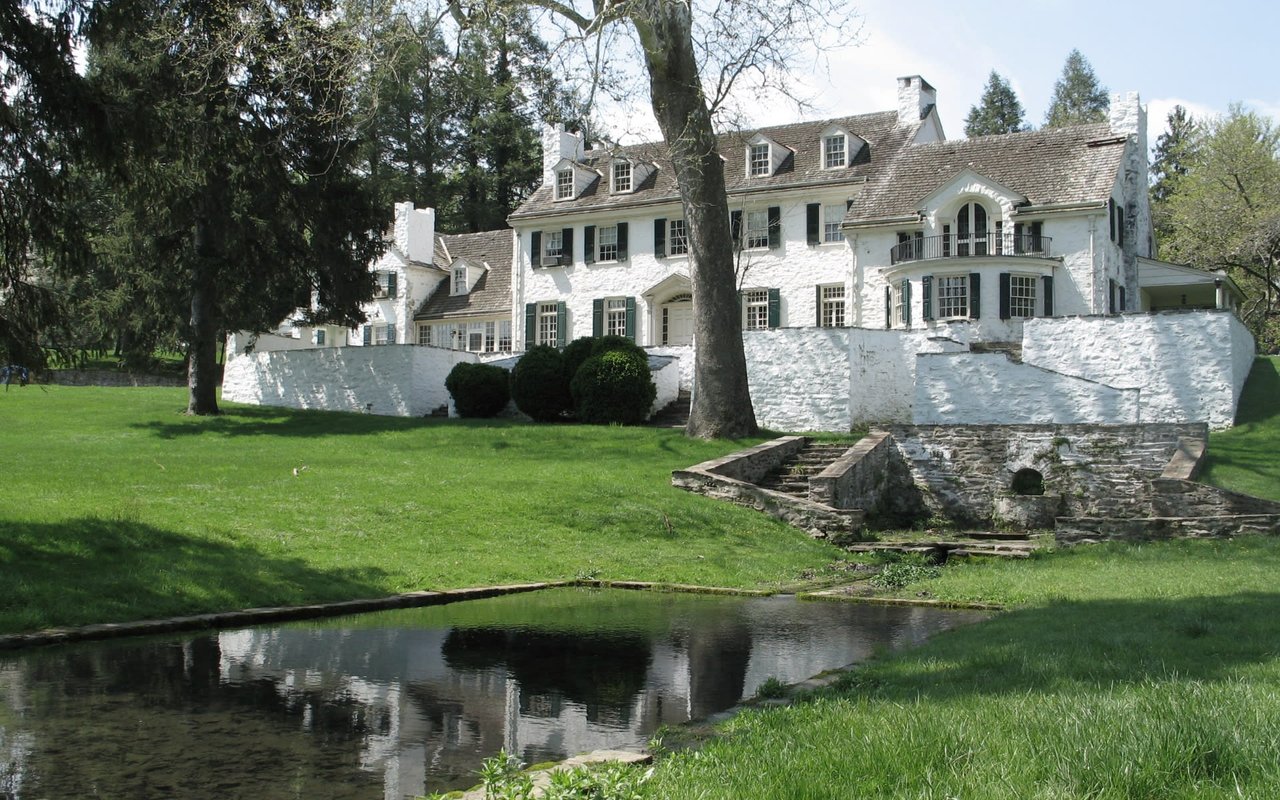
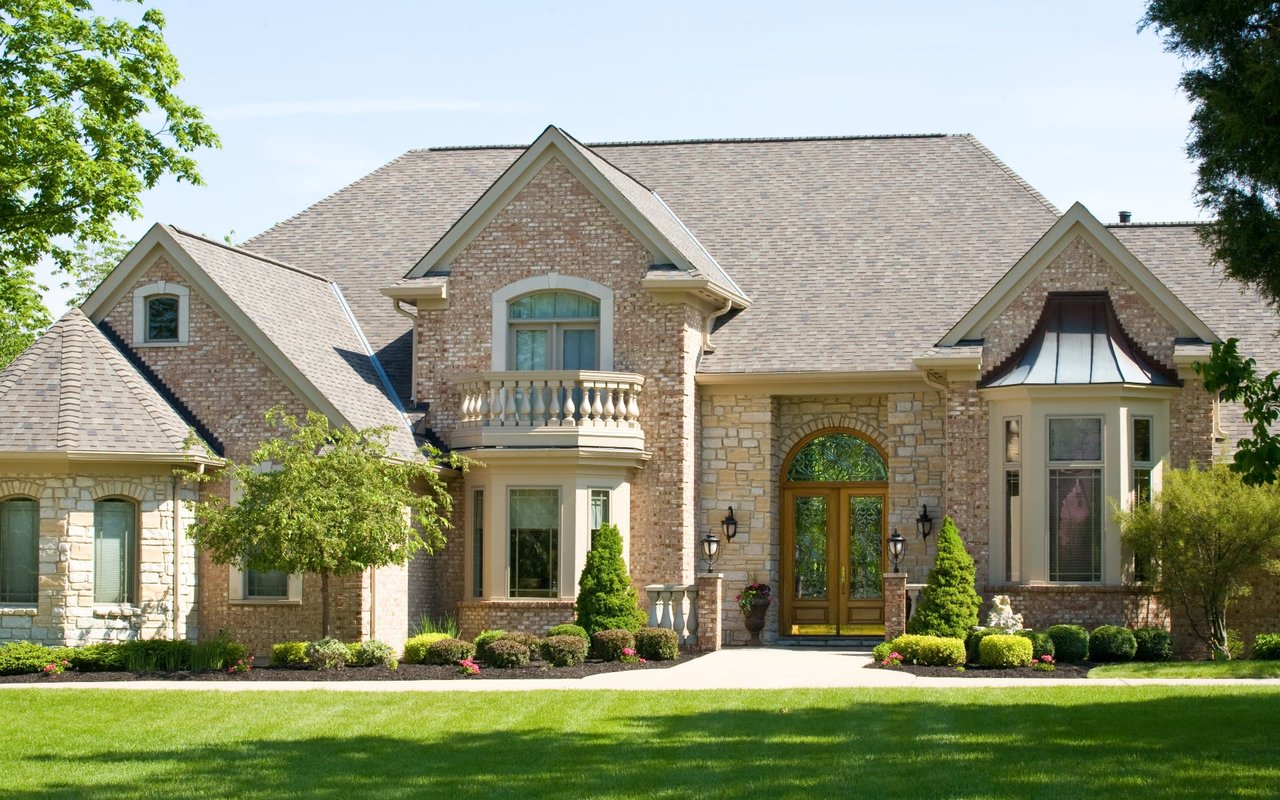
Buyers begin forming an opinion about a property before they ever step inside. The lawn, trees, walkway, driveway, front entrance, and surrounding plantings all contribute to the home’s first impression. Well-maintained landscaping can make a property feel cared for, welcoming, and move-in ready. Neglected landscaping can create the opposite reaction, even when the interior is in excellent condition.
Landscaping does not need to be elaborate or expensive to influence buyer perception. In many cases, simple improvements such as trimming shrubs, refreshing mulch, removing weeds, and adding seasonal color can significantly improve the way a home photographs and shows.
If you are preparing to sell an Atlanta home, understanding how buyers interpret exterior presentation can help you prioritize the improvements most likely to support your sale.
Wondering how your property compares with current market competition? Request a complimentary home valuation from The Agency Atlanta Intown.
First Impressions Begin at the Curb
The exterior of a home creates an immediate emotional response. Buyers often decide within moments whether a property feels attractive, inviting, and well maintained.
Before buyers notice the kitchen finishes, ceiling height, or floor plan, they may already be evaluating:
- The condition of the lawn
- The appearance of trees and shrubs
- The cleanliness of the driveway and walkway
- The visibility of the front entrance
- The condition of fences, gates, and retaining walls
- Whether the property appears easy or difficult to maintain
A strong exterior presentation encourages buyers to enter the home with a positive mindset. Poor curb appeal may cause them to look more critically at every feature they encounter afterward.
Landscaping Signals Overall Maintenance
Buyers often use landscaping as a visual clue about how the rest of the property has been maintained.
An overgrown yard may lead buyers to wonder whether the owner has also postponed:
- Roof maintenance
- Gutter cleaning
- HVAC servicing
- Plumbing repairs
- Exterior painting
- Pest control
These assumptions may not be accurate, but perception can still influence buyer interest and offer decisions.
A neat, healthy exterior suggests that the owner has paid attention to routine upkeep. This can make buyers feel more confident before reviewing inspection reports or maintenance records.
Landscaping Affects Online Listing Photos
Most buyers first encounter a property online. The exterior photograph is often the first image displayed in a listing and may determine whether a buyer clicks for more information.
Landscaping that photographs well can help:
- Frame the home attractively
- Highlight architectural details
- Create depth and visual interest
- Make the property appear brighter
- Improve the overall impression of the listing
Overgrown shrubs, patchy grass, visible weeds, empty planters, and excessive yard clutter can weaken the appearance of professional photography.
Because buyers may scroll through dozens of listings in one sitting, a clean and inviting exterior can help a property stand out.
Overgrown Plants Can Hide the Home
Mature landscaping is often an asset, particularly in established Atlanta neighborhoods with large trees and older homes. However, plants should complement the architecture rather than cover it.
Overgrown shrubs may block:
- Windows
- Natural light
- House numbers
- Walkways
- Exterior lighting
- Architectural features
Trimming plants away from the home can make the exterior appear larger, brighter, and more orderly. It may also help buyers feel that the property is safer and easier to access.
A Clear Entrance Feels More Welcoming
The path from the street or driveway to the front door should feel obvious, clean, and inviting.
Buyers may respond positively to:
- A pressure-washed walkway
- Trimmed plants along the path
- Functional exterior lighting
- A clean front porch
- Fresh planters near the entrance
- A visible and well-maintained front door
The front entrance is where buyers often pause while their agent opens the lockbox. This gives them extra time to notice peeling paint, cobwebs, cracked steps, damaged railings, and neglected planters.
A few focused improvements around the entrance can have a greater impact than expensive landscaping in areas buyers may barely notice.
Healthy Landscaping Makes a Home Feel Move-In Ready
Many buyers prefer properties that do not require immediate work. A healthy lawn and maintained planting beds can make the exterior feel ready to enjoy from the first day of ownership.
By contrast, buyers may mentally calculate the cost and effort required to address:
- Dead grass
- Diseased trees
- Overgrown ivy
- Eroded planting beds
- Broken irrigation systems
- Standing water
- Unstable retaining walls
Even relatively minor landscaping issues may feel overwhelming to buyers who do not enjoy yard work or who are unfamiliar with property maintenance.
Simple Landscaping Often Has the Greatest Impact
Sellers do not usually need an elaborate landscape redesign before listing. Buyers generally respond best to clean, healthy, and neutral outdoor spaces.
High-impact improvements may include:
- Mowing and edging the lawn
- Removing weeds
- Trimming shrubs and low branches
- Refreshing mulch or pine straw
- Removing dead plants
- Cleaning planting-bed borders
- Adding limited seasonal color
- Pressure washing hard surfaces
- Cleaning gutters and downspouts
- Removing leaves and yard debris
These updates are generally more important than installing unusual plants, complicated water features, or highly personalized garden designs.
Seasonal Color Can Improve Buyer Appeal
Flowers and planters can add life to listing photos and showings, especially when the surrounding landscape lacks color.
Good locations for seasonal plantings include:
- Near the front entrance
- Along a walkway
- In window boxes
- On a balcony or patio
- Around a mailbox
A small number of coordinated plants usually creates a more polished appearance than several mismatched containers.
Seasonal color should support the home rather than overwhelm it. Plants should be healthy, watered, and appropriate for the amount of sunlight available.
Too Much Landscaping Can Concern Buyers
While attractive landscaping can improve marketability, highly complex gardens may create maintenance concerns.
Buyers may hesitate when a yard appears to require:
- Frequent pruning
- Specialized irrigation
- Extensive seasonal planting
- Regular professional maintenance
- Significant water usage
- Ongoing treatment for sensitive plants
A seller who enjoys gardening may see a detailed landscape as a major feature. A buyer with limited time may see it as an obligation.
Before listing, simplify areas that appear crowded, difficult to maintain, or overly personalized.
Trees Can Add Beauty and Create Concerns
Mature trees are one of the defining features of many Intown Atlanta neighborhoods. They provide shade, privacy, character, and a connection to the surrounding landscape.
However, buyers may also pay attention to:
- Large branches over the roof
- Dead or damaged limbs
- Roots near driveways and foundations
- Trees leaning toward the house
- Blocked gutters
- Excessive shade or moisture
Visible tree problems may cause buyers to anticipate expensive removal or maintenance costs.
If a tree appears unhealthy or potentially hazardous, consider having it evaluated by a qualified arborist before listing. Documentation showing recent tree care may help reassure buyers.
Landscaping Can Make a Small Yard Feel Larger
In urban and Intown neighborhoods, outdoor space may be limited. Thoughtful landscaping can make a compact yard feel more functional and spacious.
Strategies may include:
- Removing oversized shrubs
- Defining seating and lawn areas
- Using simple planting beds
- Creating clear sightlines
- Limiting excessive outdoor furniture
- Keeping fences and gates in good condition
Buyers should be able to understand how the space can be used. A small, well-organized courtyard may feel more valuable than a larger yard filled with clutter and overgrown plants.
Outdoor Living Areas Affect Buyer Perception
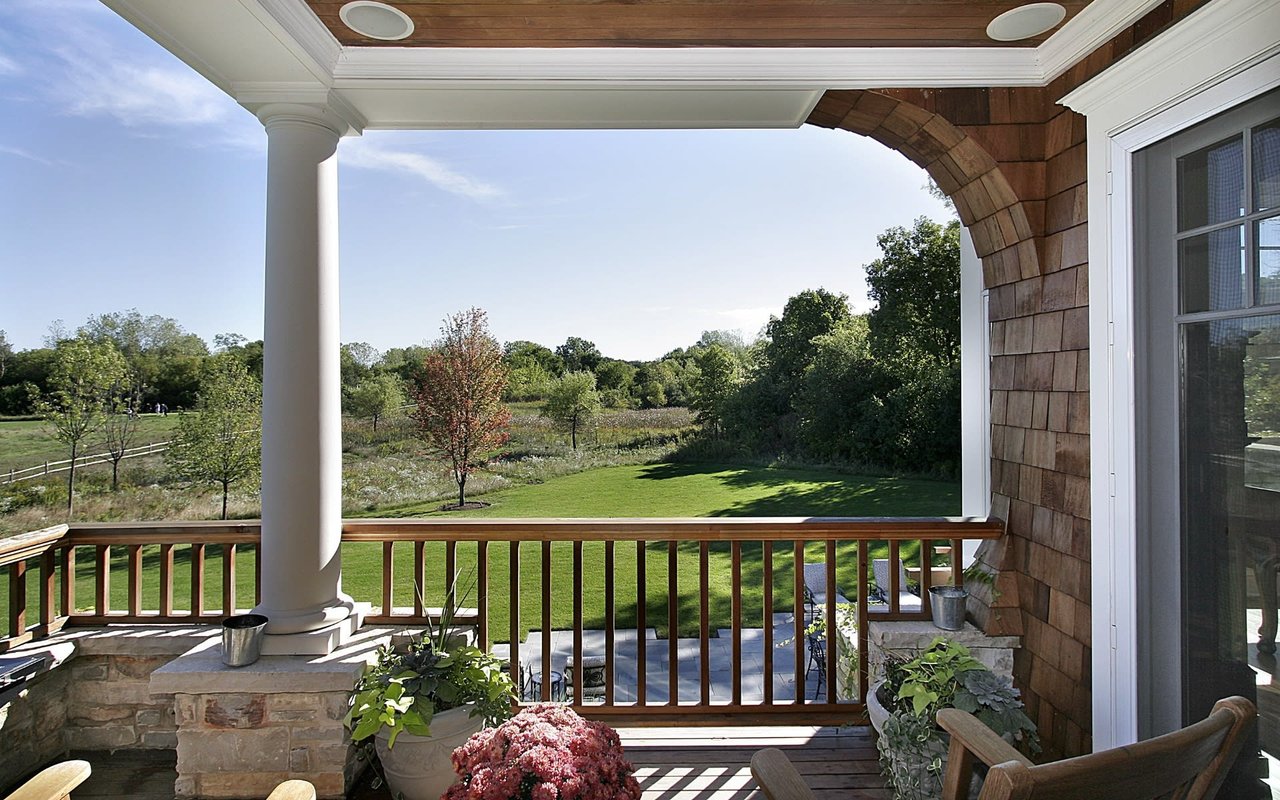
Patios, decks, porches, balconies, and courtyards can extend the home’s usable living space. Landscaping can help define these areas and make them feel like a natural continuation of the interior.
Before listing, consider:
- Cleaning outdoor furniture
- Removing damaged or excess pieces
- Adding simple cushions or planters
- Cleaning grills and fire pits
- Removing leaves and debris
- Checking exterior lighting
- Repairing loose deck boards or railings
A buyer who can immediately imagine relaxing, entertaining, or dining outdoors may place greater emotional value on the property.
Privacy Can Be a Selling Feature
Landscaping can create separation from neighboring properties, busy streets, sidewalks, and shared outdoor areas.
Privacy may be achieved through:
- Strategically placed shrubs
- Evergreen plantings
- Trees
- Trellises
- Fencing
- Container plants
However, privacy plantings should not make the home feel dark, hidden, or unsafe. The best approach balances screening with light, visibility, and accessibility.
Drainage Problems Can Alarm Buyers
Standing water, soil erosion, bare patches, and damp areas near the foundation may signal drainage concerns.
Buyers may worry about:
- Foundation damage
- Basement moisture
- Mold
- Termites
- Landscape erosion
- Costly drainage repairs
Do not try to disguise drainage problems with mulch, sod, or decorative plants. The underlying cause should be evaluated and corrected when possible.
Visible evidence of a recently concealed issue may create more concern than the original problem.
Hardscaping Matters Too
Buyer perception is influenced by more than plants and grass. Driveways, patios, walkways, retaining walls, steps, fences, and exterior lighting all contribute to the overall landscape.
Before listing, inspect these areas for:
- Cracks
- Loose pavers
- Trip hazards
- Discoloration
- Weeds growing through joints
- Damaged railings
- Leaning fences
- Nonfunctioning lights
Pressure washing and minor repairs can make hard surfaces appear newer and better maintained.
Landscaping for Atlanta Condos and Townhomes
Condo and townhome owners may have limited control over common-area landscaping, but they can still improve the areas connected directly to their residence.
Depending on association rules, sellers may be able to update:
- Balcony planters
- Front-door containers
- Private patios
- Fenced courtyards
- Small planting areas assigned to the unit
Before making changes, review the association’s architectural guidelines and maintenance responsibilities.
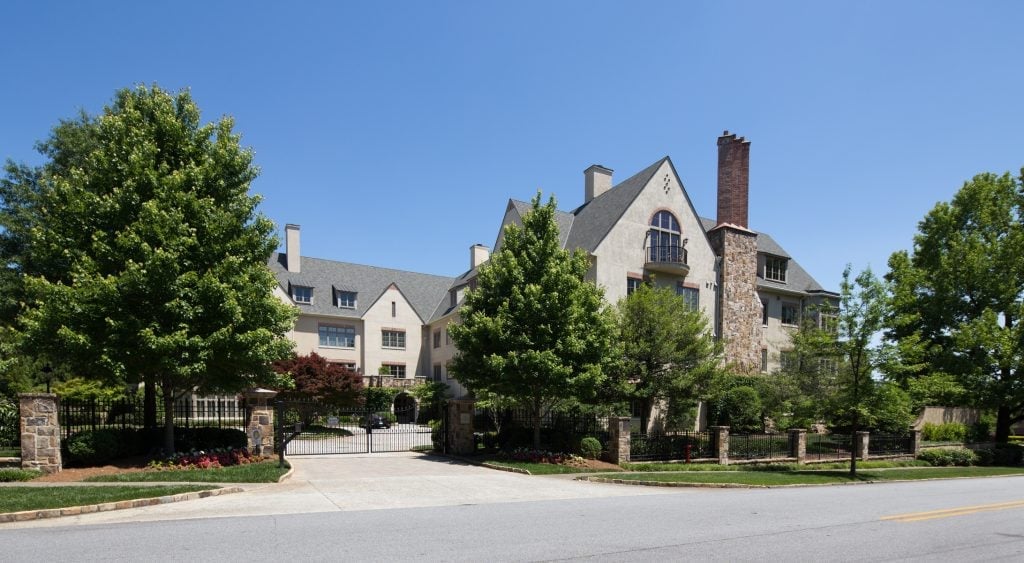
When common areas appear neglected, sellers should speak with the property manager or association before listing. The condition of building entrances, courtyards, landscaping, and parking areas can affect how buyers perceive the entire community.
What Should Sellers Do Before Listing?
A practical pre-listing landscaping plan might include the following steps:
- Remove trash, dead plants, and unnecessary outdoor items.
- Mow, edge, weed, and clean all visible areas.
- Trim shrubs away from windows, walkways, and entrances.
- Refresh mulch or pine straw.
- Pressure wash the driveway, walkways, porch, and patio.
- Repair visible damage to fences, steps, and railings.
- Add limited seasonal color near the entrance.
- Evaluate tree limbs and obvious drainage concerns.
- Clean outdoor furniture and lighting.
- Maintain the property consistently throughout the listing period.
Landscaping is not a one-time staging task. Grass continues growing, leaves fall, weeds return, and planters dry out. Sellers should plan for ongoing maintenance until closing.
Should You Hire a Professional Landscaper?
A professional may be helpful when:
- The property has been vacant
- The yard is significantly overgrown
- Large trees require evaluation
- Drainage or erosion is visible
- The seller lives out of town
- The home is competing in a luxury price range
- The listing date is approaching quickly
For many homes, a focused cleanup and maintenance visit may be more appropriate than a complete redesign.
Ask for a clear scope of work and avoid investing in major changes until you understand how they may affect the sale strategy.
How Much Should You Spend on Landscaping Before Selling?
The right budget depends on the property’s current condition, price point, location, and competition.
A modest amount spent on cleanup, trimming, mulch, and seasonal color may substantially improve the home’s presentation. A major landscape renovation may not provide the same return, especially if the existing yard is already functional.
Before committing to a large project, compare:
- The estimated cost
- The expected visual improvement
- The effect on listing photography
- The expectations of likely buyers
- The condition of competing homes
- Other repairs that may deserve priority
The objective is not to create the most elaborate landscape in the neighborhood. It is to remove distractions, improve first impressions, and help buyers appreciate the property.
Can Landscaping Increase Resale Value?
Landscaping may contribute to a property’s market appeal and perceived value, but the return is difficult to isolate from the rest of the home.
A well-maintained exterior may help:
- Attract more online interest
- Generate additional showings
- Support the asking price
- Reduce buyer objections
- Strengthen the home’s emotional appeal
- Help the property compete with similar listings
However, landscaping will not compensate for an unrealistic price, serious deferred maintenance, or major interior condition issues.
Its greatest value is often in helping the property make a strong first impression and maintaining that positive perception throughout the showing.
Avoid Over-Personalized Improvements
Sellers should be cautious about installing highly specific outdoor features immediately before listing.
Examples may include:
- Large water features
- Specialized garden structures
- Unusual sculptures
- Extensive vegetable gardens
- High-maintenance plant collections
- Artificial turf in unexpected locations
These features may appeal strongly to some buyers while discouraging others.
Neutral, clean, and manageable landscaping generally produces broader buyer appeal.
Coordinate Landscaping With the Entire Exterior
Landscaping should be considered alongside the home’s other exterior elements.
A freshly maintained yard may highlight the need to address:
- Peeling paint
- Dirty siding
- Clogged gutters
- A faded front door
- Damaged shutters
- Old exterior lighting
- Cracked house numbers
The exterior should feel cohesive. A few coordinated improvements often create a stronger impression than one expensive upgrade surrounded by visible neglect.
Related reading:
- Should You Replace Flooring Before Selling?
- Do Smart Home Upgrades Increase Resale Value?
- Common Seller Mistakes to Avoid
- How Pricing Strategy Impacts Home Sales
Final Thoughts
Landscaping influences buyer perception by shaping the property’s first impression, signaling its overall level of maintenance, and affecting how it appears in online marketing.
The most effective improvements are often simple: clean the exterior, trim overgrown plants, refresh planting beds, define the entrance, address visible damage, and maintain the property throughout the listing period.
Sellers should focus on creating an outdoor environment that feels attractive, healthy, manageable, and consistent with the home’s price range. Thoughtful landscaping may not determine a property’s value on its own, but it can help buyers feel more confident, connected, and excited about the home.
If you are preparing to sell a home in Atlanta, contact The Agency Atlanta Intown. Our team can help you identify the exterior improvements most likely to strengthen buyer perception and create a preparation strategy tailored to your home and neighborhood.