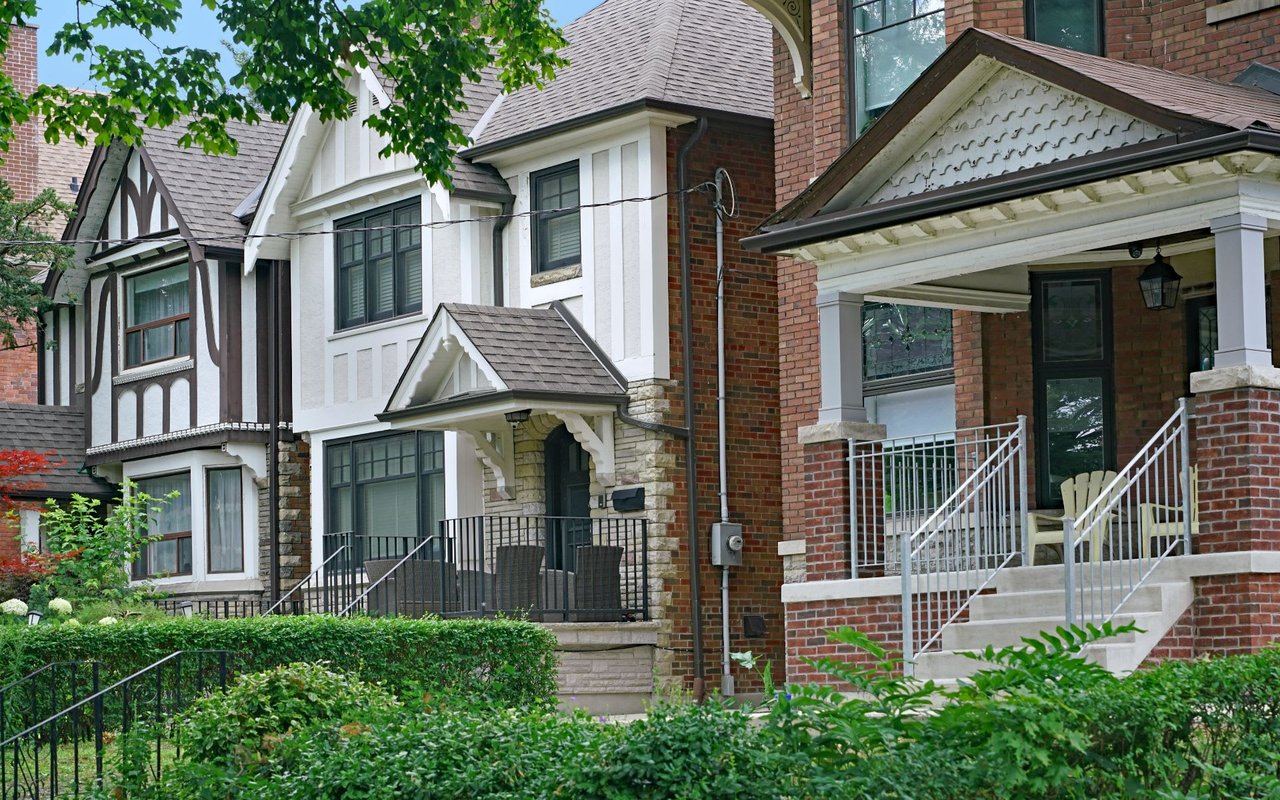
One of the most common questions homebuyers ask is how much money is required for a down payment. In Atlanta, the answer depends on several factors, including loan type, credit profile, and the type of property being purchased. Whether you are buying a condo in Midtown, a home in Buckhead, or a property in Virginia Highland, understanding down payment requirements is essential for planning your purchase.
This guide explains how down payments work, typical requirements in Atlanta, and how buyers can prepare financially.
What Is a Down Payment?
A down payment is the portion of the home’s purchase price that the buyer pays upfront. The remaining balance is financed through a mortgage loan.
The size of the down payment influences loan terms, monthly payments, and overall affordability.
Typical Down Payment Amounts
Many buyers assume that a 20 percent down payment is required to purchase a home. While this was once a common standard, today’s loan programs offer more flexibility.
Typical down payment ranges include:
- 3 percent to 5 percent for conventional loans
- 3.5 percent for FHA loans
- 0 percent for VA and certain USDA loans
- 10 percent to 20 percent for larger or more competitive purchases
The required amount depends on loan type and borrower qualifications.
Is 20 Percent Required?
A 20 percent down payment is not required for most buyers. However, putting down 20 percent can eliminate private mortgage insurance, which reduces monthly costs.
Many buyers choose smaller down payments in order to enter the market sooner.
Private Mortgage Insurance (PMI)
If a buyer puts down less than 20 percent on a conventional loan, lenders typically require private mortgage insurance. PMI protects the lender in case of default.
This cost is added to the monthly mortgage payment and can vary depending on loan size and credit score.
How Down Payment Affects Monthly Payments
A larger down payment reduces the loan amount, which lowers monthly payments and total interest over time.
A smaller down payment allows buyers to purchase sooner but may result in higher monthly costs.
Down Payment Requirements for Condos
Condo purchases may have additional requirements depending on the building and lender guidelines. Some lenders require higher down payments for condos due to risk factors associated with shared ownership structures.
Buyers can explore available options through the Atlanta condo buildings directory, including Midtown condo buildings and Buckhead condo buildings.
First-Time Buyer Programs
Atlanta buyers may qualify for programs designed to assist with down payments. These programs may offer grants, low-interest loans, or other forms of assistance.
Eligibility often depends on income limits, location, and buyer status.
Additional resources are available on the First-Time Homeowners page.
Saving for a Down Payment
Buyers preparing to purchase a home can take several steps to build their down payment.
- Create a savings plan with clear monthly goals
- Reduce discretionary spending
- Set aside bonuses or tax refunds
- Explore employer assistance programs
Consistent saving can make a significant difference over time.
Gift Funds and Down Payments
Some loan programs allow buyers to use gift funds from family members to cover part or all of the down payment. Lenders typically require documentation to verify that the funds are a gift rather than a loan.
How Market Conditions Influence Down Payments
In competitive markets, larger down payments can strengthen a buyer’s offer. Sellers may view higher down payments as a sign of financial stability.
In more balanced markets, buyers may have greater flexibility with financing terms.
Buyers can review current inventory through Featured Listings to understand market conditions.
Down Payment vs Closing Costs
In addition to the down payment, buyers should budget for closing costs. These typically include lender fees, title costs, and prepaid expenses.
Closing costs generally range from 2 percent to 5 percent of the purchase price.
Choosing the Right Down Payment Strategy
The right down payment amount depends on individual financial goals. Some buyers prioritize lower monthly payments, while others prefer to conserve cash for future expenses.
Working with a lender can help determine the best approach based on your situation.
Exploring Atlanta Neighborhoods
Down payment requirements may influence where buyers choose to purchase. Exploring different neighborhoods can help identify options that align with your budget.
The Atlanta neighborhoods hub provides an overview of communities across the city.
Preparing for Pre-Approval
Before beginning the home search, buyers should obtain mortgage pre-approval. This process confirms borrowing capacity and strengthens your position when making an offer.
Pre-approval also helps clarify how much down payment is required.
Final Thoughts
Down payment requirements in Atlanta vary based on loan type, property type, and individual financial qualifications. While 20 percent down is not required, understanding your options can help you make informed decisions.
If you are preparing to buy a home and want guidance on budgeting, financing, and finding the right property, you can start the conversation through the Space Intown contact page.