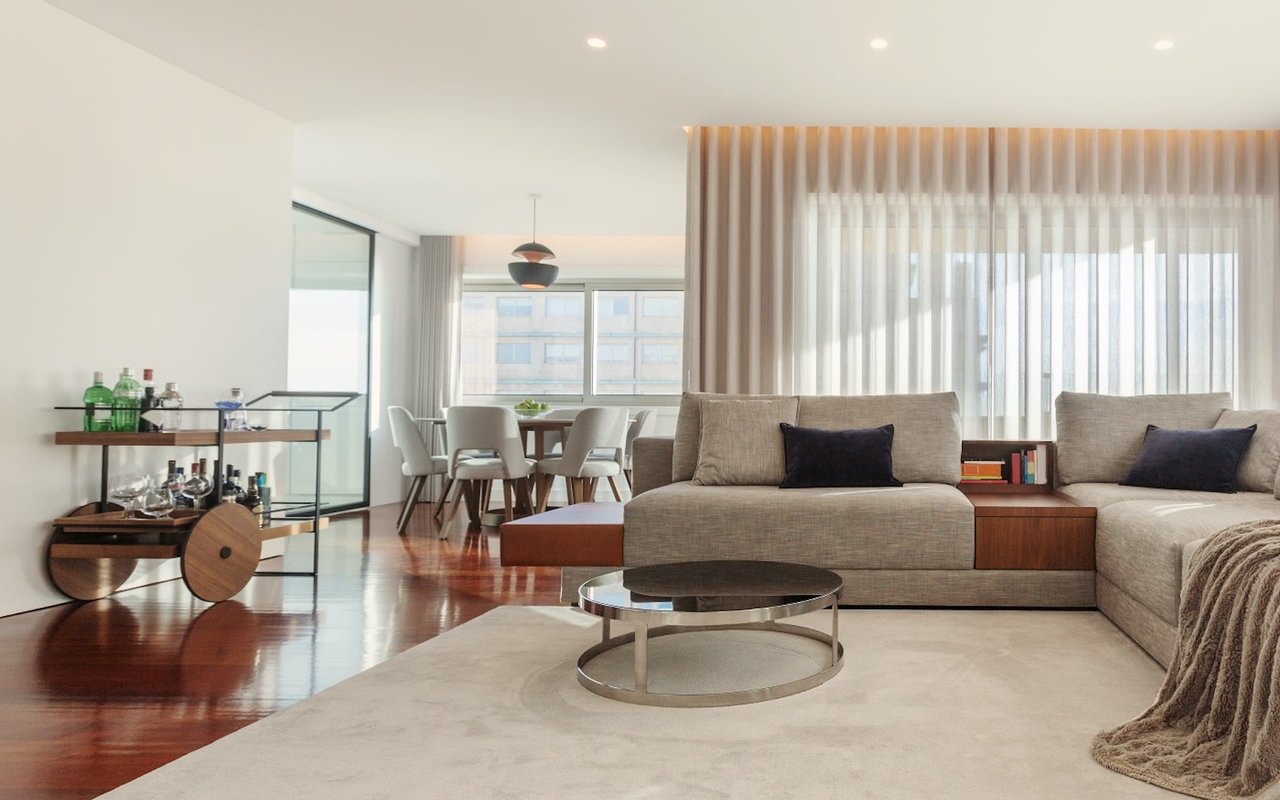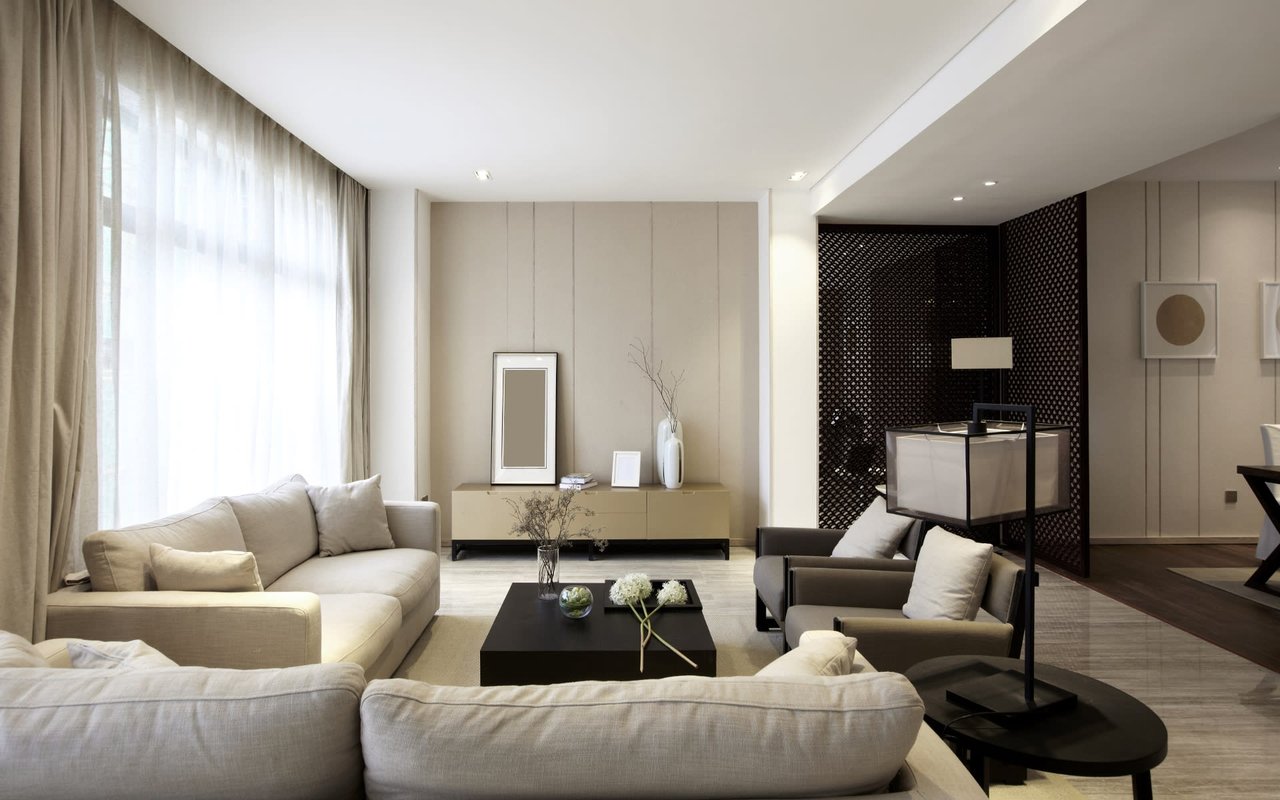
For Atlanta luxury sellers, this is especially important. Buyers in Buckhead, Ansley Park, Midtown, Brookhaven, Sandy Springs, and other high-end markets often have multiple options and high expectations. A home may have excellent architecture, expensive finishes, or a prestigious address, but if the presentation feels dated, cluttered, cold, or overly personalized, buyers may struggle to connect with it.
The goal of staging is to make the home feel elevated, cohesive, and memorable while allowing buyers to imagine themselves living there.
If you're preparing to sell a luxury property, browse recent Atlanta sales, request a complimentary home valuation, or contact The Agency Atlanta Intown for a customized pre-listing strategy.
Luxury Staging Is About Positioning, Not Decorating
One of the biggest mistakes sellers make is treating staging like interior decorating.
Decorating expresses the owner's personal taste.
Staging is designed to appeal to the likely buyer.
That means a luxury staging plan should consider:
- The property's price range
- The neighborhood
- The architectural style
- The likely buyer profile
- Current competing listings
- The features that make the home distinctive
A historic Ansley Park home should not necessarily be staged the same way as a contemporary Buckhead residence or a Midtown penthouse.
The furniture, art, lighting, and accessories should support the identity of the property rather than fight against it.
Start With the Buyer Profile
Before moving furniture or selecting accessories, determine who is most likely to purchase the home.
A luxury buyer may be:
- Relocating from another city
- Downsizing from a larger estate
- Moving from a condo into a single-family home
- Purchasing a second residence
- Looking for a move-in-ready property
The likely buyer influences how the home should be presented.
For example, a buyer moving from a large suburban home into Buckhead may need to see how the property supports entertaining, storage, guest accommodations, and everyday convenience. A buyer considering a Midtown luxury condo may be more focused on views, walkability, lock-and-leave living, and sophisticated entertaining spaces.
Declutter More Than You Think You Need To
Luxury homes often contain large collections of furniture, art, books, accessories, and personal items.
Even expensive belongings can make a home feel visually crowded.
Before listing, consider removing:
- Excess furniture
- Large collections
- Personal photographs
- Overfilled bookshelves
- Too many decorative objects
- Unused exercise equipment
- Extra kitchen appliances
The objective is not to make the home feel empty. It is to create visual space so buyers notice the architecture, scale, windows, materials, and views.
Luxury Buyers Notice Scale
Furniture should be properly scaled to the room.
Pieces that are too large can make a substantial room feel smaller. Furniture that is too small can make a luxury space feel underwhelming or unfinished.
In large rooms, staging may require:
- Multiple seating areas
- Larger rugs
- Substantial art
- Properly scaled lighting
- Furniture groupings that define function
A large great room should not feel like an oversized room with furniture pushed against the walls. It should communicate how the space works for conversation, entertaining, and everyday living.
Create a Strong First Impression
Luxury buyers begin forming an opinion before entering the home.
The arrival experience should feel intentional.
Pay attention to:
- Driveway condition
- Landscaping
- Exterior lighting
- Front-door paint or finish
- Planters
- House numbers
- Entry hardware
Inside, the foyer should immediately establish the tone of the home.
Remove unnecessary furniture and accessories so buyers can appreciate:
- Ceiling height
- Staircases
- Architectural millwork
- Natural light
- Long sightlines
Related reading: How Landscaping Influences Buyer Perception
Let the Architecture Be the Star
The most successful luxury staging emphasizes the home's strongest permanent features.
These may include:
- Floor-to-ceiling windows
- Historic fireplaces
- Custom millwork
- Statement staircases
- Stone walls
- Exposed beams
- High ceilings
- Exceptional views
Furniture should frame these features rather than block them.
If a room has a dramatic skyline view, do not place a large piece of furniture directly in front of the window. If the fireplace is an architectural focal point, the seating arrangement should reinforce it.
Use a Consistent Design Language
A luxury home should feel cohesive from room to room.
That does not mean every space needs to look identical, but the overall palette should feel intentional.
Consistency may involve:
- Complementary color tones
- Similar levels of formality
- Coordinated metals and finishes
- Consistent art scale
- Repetition of materials
A home where every room reflects a completely different design trend can feel fragmented.
Neutral Does Not Have to Mean Boring
Luxury staging often uses a neutral palette because it appeals to a broader range of buyers.
But neutral should still feel sophisticated.
Consider:
- Warm whites
- Soft grays
- Taupe
- Natural wood tones
- Textured fabrics
- Stone
- Subtle metallic accents
Depth can come from texture rather than strong color.
High-quality linens, wool rugs, natural stone, leather, velvet, and wood can create visual interest without overwhelming the architecture.
Use Color Strategically
Accent colors can help make a room memorable, but they should be used carefully.
A luxury room may benefit from:
- A single strong piece of art
- Accent pillows
- Fresh flowers
- Books
- Decorative objects
A few well-placed accents generally have greater impact than multiple competing colors.
Lighting Can Transform the Home
Lighting is one of the most important elements of luxury presentation.
Before photography and showings:
- Replace burned-out bulbs
- Use consistent color temperature
- Clean fixtures
- Open window treatments
- Turn on accent lighting
- Check under-cabinet lighting
- Use lamps to reduce dark corners
Luxury homes should feel bright without feeling harsh.
Layered lighting works particularly well because it combines:
- Natural light
- Overhead fixtures
- Lamps
- Architectural lighting
- Accent lighting
Do Not Ignore Window Treatments
Heavy or outdated window treatments can make a room feel darker and smaller.
Consider whether draperies should be:
- Removed
- Simplified
- Rehung higher
- Replaced with more contemporary treatments
In a luxury condo or home with exceptional views, window treatments should frame the view rather than compete with it.
Stage the Kitchen for Lifestyle
The kitchen is one of the most important rooms in a luxury home.
Clear most items from the countertops.
Leave only a few intentional elements such as:
- A bowl of fresh fruit
- A high-quality cutting board
- A simple floral arrangement
- A cookbook
- A tray near a coffee station
Buyers should notice the:
- Cabinetry
- Countertops
- Appliances
- Island
- Storage
- Lighting
In luxury properties with large kitchens, staging can also help buyers understand how the space functions for entertaining.
Pantries Should Be Staged Too
Buyers often inspect walk-in pantries and storage areas closely.
A crowded pantry can make the space feel smaller than it is.
Before listing:
- Remove excess products
- Group similar items
- Use matching containers where appropriate
- Leave some shelves partially empty
Visible unused space communicates abundance.
The Primary Suite Should Feel Calm and Private
The primary bedroom should feel like a retreat.
Use:
- High-quality bedding
- Large bedside lamps
- Minimal accessories
- Appropriately scaled artwork
- Soft textures
Avoid overcrowding the room with dressers, exercise equipment, desks, or unnecessary seating.
The buyer should immediately understand the room's scale and sense of privacy.
Stage Luxury Bathrooms Like a Spa
Luxury bathrooms should feel clean, calm, and almost hotel-like.
Remove everyday toiletries and personal products.
Consider using:
- Fresh white towels
- Simple bath products
- A small plant or floral arrangement
- A bath tray
- Minimal accessories
Clean glass, grout, mirrors, fixtures, and natural stone carefully.
At the luxury level, small maintenance issues are especially noticeable.
Closets Need to Communicate Storage
A large closet can feel surprisingly small if it is completely full.
Before listing:
- Remove seasonal clothing
- Reduce shoes
- Use consistent hangers
- Clear floors
- Organize shelves
- Remove storage boxes
Luxury buyers often place significant value on storage, particularly buyers downsizing from larger homes.
A partially empty closet looks larger and more functional.
Every Room Should Have a Clear Purpose
Luxury homes often have additional rooms that can confuse buyers if their purpose is unclear.
A room should not feel like a storage area simply because the seller does not currently use it.
Potential uses may include:
- Home office
- Library
- Fitness room
- Guest suite
- Media room
- Wine room
- Playroom
Staging should show buyers how the space can add value to their lifestyle.
The Home Office Still Matters
Flexible work remains an important part of many luxury buyers' lives.
If the property has a dedicated office, stage it intentionally.
A strong office may include:
- A substantial desk
- Comfortable chair
- Good lighting
- Minimal accessories
- Organized shelving
Avoid converting every extra bedroom into a home office. Buyers still need to understand the home's bedroom capacity.
Outdoor Living Should Feel Like an Extension of the Interior
Atlanta's climate makes outdoor living an important luxury feature.
Stage:
- Covered patios
- Porches
- Pool decks
- Balconies
- Rooftop terraces
- Outdoor kitchens
Outdoor furniture should be clean and appropriately scaled.
Add simple elements such as:
- Cushions
- Lanterns
- Planters
- Dining settings
The goal is to help buyers immediately imagine entertaining or relaxing outside.
Pool Areas Need Special Attention
A pool can be a major luxury feature, but only if it looks pristine.
Before photography and showings:
- Clean the water
- Remove maintenance equipment
- Arrange furniture
- Clean decking
- Trim surrounding landscaping
- Remove excessive pool toys
A neglected pool can quickly turn a luxury feature into a maintenance concern.
Do Not Overstage
Luxury buyers generally do not need every surface decorated.
Too many accessories can make a property feel like a furniture showroom.
Use fewer, higher-quality pieces.
One substantial piece of art may have more impact than a wall filled with small decorative objects.
Original Art Can Elevate a Property
Art can play a meaningful role in luxury staging when selected carefully.
Large-scale artwork can:
- Define a focal point
- Add sophistication
- Create appropriate scale
- Introduce subtle color
Avoid highly personal, political, or potentially distracting pieces during the listing period.
Remove Personal Collections
Collectors may own valuable art, memorabilia, books, wine, or antiques.
But a large personal collection can distract buyers from the property.
It can also create security concerns during showings.
Consider removing especially valuable or highly personal items before the home is marketed.
Stage for Photography First
Most buyers will experience the property online before they ever visit it.
This means staging must work not only in person but also through:
- Professional photography
- Video
- Drone imagery
- Virtual tours
- Social media
A room that looks attractive in person can still photograph poorly if furniture blocks sightlines or accessories create visual clutter.
The staging plan should be reviewed from the perspective of the camera.
Consider Twilight Presentation
Luxury properties with pools, outdoor kitchens, terraces, skyline views, or dramatic exterior lighting may benefit from twilight photography.
Twilight imagery can highlight:
- Exterior lighting
- Pool illumination
- Fire features
- Skyline views
- Architectural details
These images can help create an emotional impression that standard daytime photography may not capture.
Staging a Luxury Condo Requires a Different Strategy
Luxury condominium staging should emphasize:
- Views
- Natural light
- Open floor plans
- Balconies
- Entertaining spaces
- Storage
Furniture should never block the windows or make the residence feel smaller.
In a high-rise, the view may be one of the property's most valuable features.
Explore Midtown condo buildings and Buckhead condo buildings.
Vacant Luxury Homes Often Need Staging
Large empty rooms can be surprisingly difficult for buyers to understand.
Without furniture, buyers may struggle to judge:
- Scale
- Furniture placement
- Room function
- Traffic flow
Vacant homes can also feel less emotionally engaging.
Strategic staging of the primary living areas may be sufficient even when fully furnishing the entire property is unnecessary.
Do Not Hide Problems With Staging
Staging should enhance the property, not conceal material defects.
Do not use furniture, rugs, or accessories to intentionally cover:
- Water damage
- Floor damage
- Wall cracks
- Structural issues
- Other known defects
Necessary repairs and disclosure obligations should be handled separately from staging.
Should You Hire a Professional Stager?
Professional staging may be particularly valuable when:
- The property is vacant
- The furniture is dated
- The home has unusual room proportions
- The seller has highly personalized decor
- The asking price places the property in the luxury market
A professional stager can provide an objective perspective that is difficult for owners to achieve after living in the home for years.
How Much Should You Spend on Luxury Staging?
There is no single budget that applies to every luxury listing.
The appropriate investment depends on:
- Listing price
- Current condition
- Whether the home is occupied or vacant
- Amount of furniture required
- Expected market time
- Competing inventory
A seller should evaluate staging as part of the overall marketing strategy rather than as a standalone decorating expense.
Focus First on the Rooms That Sell the Lifestyle
If the staging budget is limited, prioritize:
- Entry
- Living room
- Kitchen
- Dining area
- Primary bedroom
- Primary bathroom
- Outdoor living space
These spaces generally have the greatest impact on buyer perception and listing photography.
Luxury Staging Should Feel Effortless
The most successful staging often looks simple.
The buyer should not walk through the home thinking about staging.
They should be thinking:
"I can imagine living here."
When the design feels too deliberate or theatrical, buyers may become more aware of the marketing than the home itself.
Final Pre-Listing Staging Checklist
- Remove excess furniture
- Reduce personal belongings
- Organize closets and storage
- Deep clean the entire property
- Touch up paint
- Service lighting
- Clean windows
- Refresh landscaping
- Stage outdoor areas
- Test smart-home systems
- Remove valuables
- Review every room through the camera lens
Final Thoughts
Luxury staging is ultimately about helping buyers recognize what makes a property exceptional.
The most effective strategy does not attempt to impress buyers with more furniture, more accessories, or more decoration. Instead, it removes distractions and allows the home's architecture, scale, views, craftsmanship, and lifestyle to take center stage.
For Atlanta luxury sellers, thoughtful staging can be particularly valuable when competing homes offer similar square footage or amenities. The property that feels more refined, cohesive, move-in ready, and emotionally engaging can create a much stronger first impression.
If you're preparing to sell a luxury home in Buckhead, Ansley Park, Midtown, Brookhaven, Sandy Springs, or elsewhere in Atlanta, contact The Agency Atlanta Intown. Our team can help develop a preparation, staging, pricing, and marketing strategy designed to position your property for maximum impact.