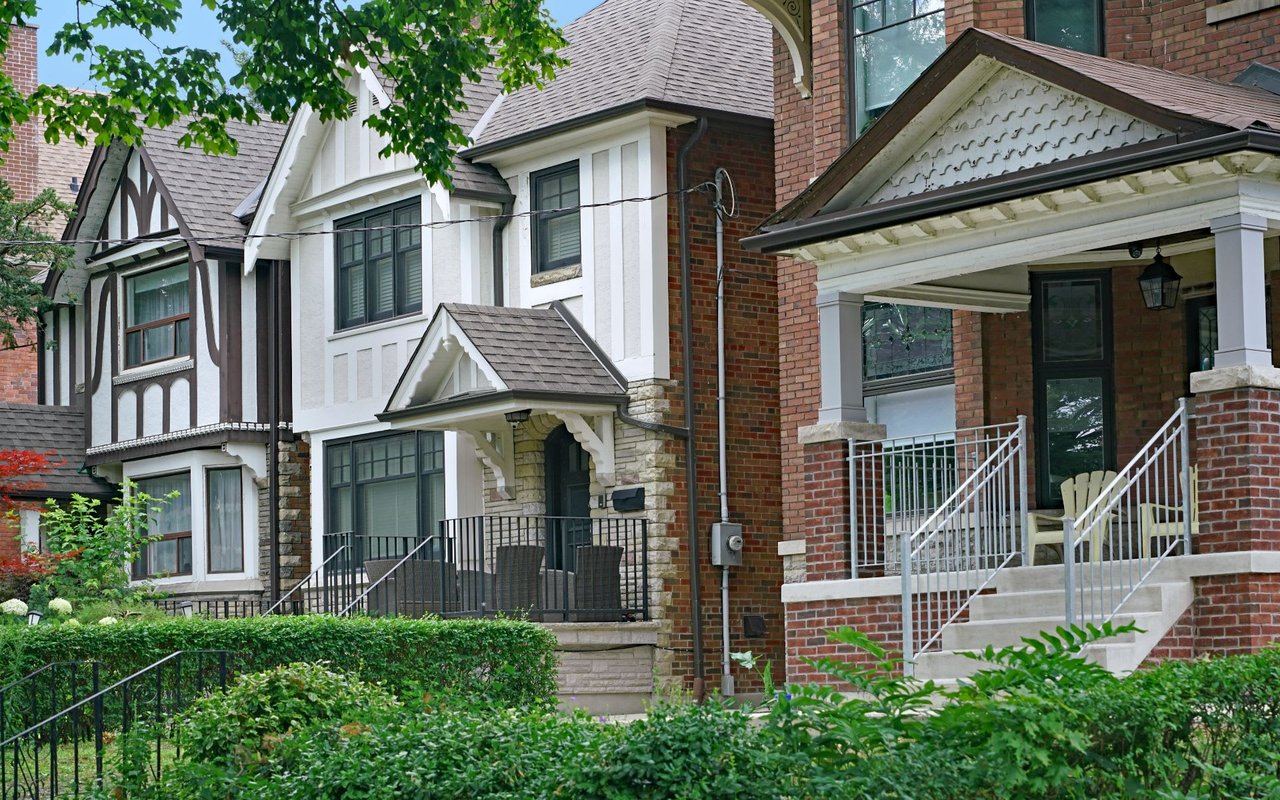
Earnest money is one of the first financial commitments a buyer makes when purchasing a home. In Georgia real estate transactions, earnest money plays a meaningful role in showing intent, strengthening an offer, and protecting both parties during the contract period. Buyers who understand how earnest money works are better prepared to compete confidently and avoid costly misunderstandings.
This guide explains what earnest money is, how it works in Georgia, how much buyers typically put down, and what happens to earnest money if a deal does not close.
What Is Earnest Money?
Earnest money is a good-faith deposit submitted by a buyer when an offer is accepted. It shows the seller that the buyer is serious about moving forward with the purchase.
In Georgia, earnest money is typically held in escrow by the closing attorney or broker until closing or contract termination. The funds are later applied toward the buyer’s closing costs or down payment if the transaction closes.
Why Earnest Money Matters in Georgia
Earnest money helps create balance in a real estate contract. Sellers gain reassurance that the buyer is committed, while buyers retain protections through contingencies and due diligence periods.
In competitive markets like Midtown and Buckhead, earnest money can influence how an offer is perceived. Strong earnest money terms can help a buyer stand out without increasing the purchase price.
How Much Earnest Money Is Typical in Georgia?
There is no fixed rule for earnest money amounts in Georgia. However, buyers commonly put down between 1 percent and 3 percent of the purchase price.
For example:
- $500,000 purchase price: $5,000 to $15,000 earnest money
- $800,000 purchase price: $8,000 to $24,000 earnest money
The right amount depends on market conditions, property type, and competition. Condo purchases in Midtown may follow different norms than single-family homes in neighborhoods like Ansley Park or Virginia Highland.
Where Is Earnest Money Held?
In Georgia, earnest money is held in an escrow account, usually by the closing attorney or, in some cases, the broker. The escrow holder is specified in the purchase agreement.
The funds are deposited shortly after contract acceptance, often within a few business days. Buyers should follow contract timelines closely, as late delivery of earnest money can place a buyer in default.
How Earnest Money Is Applied at Closing
If the transaction closes, earnest money is credited toward the buyer’s cash to close. This typically reduces the amount the buyer needs to bring to closing.
Earnest money does not replace a down payment. It is part of the total funds the buyer contributes toward the purchase.
Buyers can review how earnest money fits into overall costs in the Real Estate 101 section.
What Happens If the Buyer Terminates the Contract?
Whether a buyer gets earnest money back depends on the reason for termination and the terms of the contract.
Termination During Due Diligence
Georgia contracts typically include a due diligence period. During this time, buyers may terminate the contract for any reason and receive their earnest money back, provided they follow the contract terms.
This period allows buyers to complete inspections, review disclosures, and evaluate the property without risking their earnest money.
Termination After Due Diligence
After the due diligence period ends, earnest money is generally at risk. If a buyer terminates without a contractual basis, the seller may be entitled to the earnest money.
This is why understanding timelines and contingencies is critical.
What Happens If the Seller Terminates?
If the seller fails to perform under the contract or terminates improperly, the buyer is typically entitled to a return of earnest money. Specific outcomes depend on the contract language and circumstances.
Disputes over earnest money are resolved through the process outlined in the purchase agreement, which may include mediation or legal action.
Earnest Money and Competitive Offers
In multiple-offer situations, earnest money can strengthen an offer by signaling commitment and financial readiness. Sellers often view higher earnest money deposits as lower risk.
However, buyers should never offer more earnest money than they are comfortable potentially risking after due diligence. Strategy should be tailored to the specific property and market.
How Earnest Money Works for Condos
Condo transactions often follow similar earnest money guidelines, but buyers should consider additional factors such as HOA review periods and document deadlines.
Midtown condo buyers can explore building-specific considerations through the Midtown condo buildings page.
Common Earnest Money Mistakes to Avoid
- Missing the deadline to submit earnest money
- Not understanding when earnest money becomes non-refundable
- Assuming earnest money is separate from closing costs
- Failing to read termination and contingency language
These issues are especially common among first-time buyers. Additional guidance is available on the First-Time Homeowners page.
Why Buyer Representation Matters
Earnest money is a contractual obligation, not just a deposit. A buyer’s agent helps structure earnest money terms that align with the buyer’s goals while remaining competitive.
Understanding how earnest money interacts with due diligence, financing, and closing timelines reduces risk and improves outcomes.
Final Thoughts on Earnest Money in Georgia
Earnest money is a key component of Georgia real estate contracts. When used strategically, it strengthens offers and protects both buyers and sellers. When misunderstood, it can create unnecessary risk.
If you are preparing to buy a home and want guidance on earnest money strategy, working with a local expert makes a difference. You can start the conversation through the Space Intown contact page.
To explore Atlanta neighborhoods and housing options, visit the Atlanta neighborhoods hub.