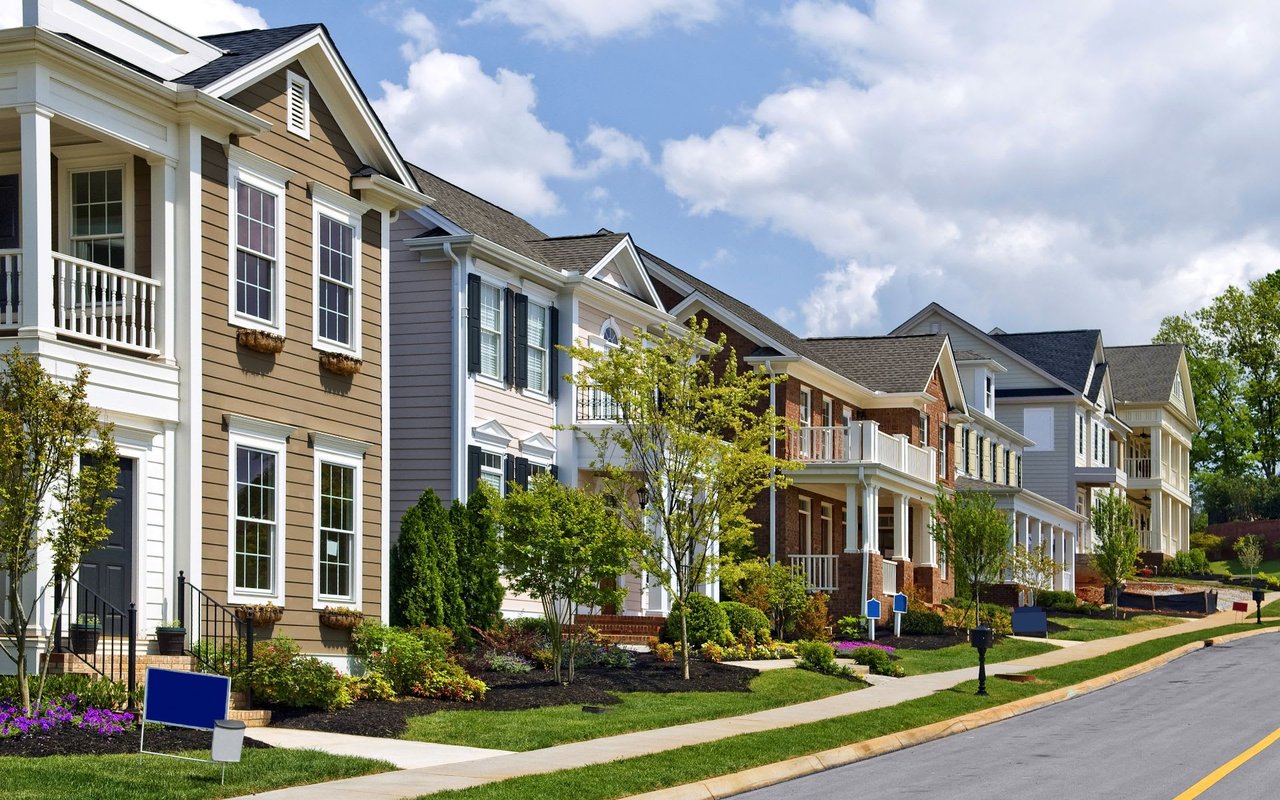
And while you have every reason to be ecstatic as a new homeowner, a whole lot can also go wrong if you don't take the time to think things through. From failing to improve your home’s security, to unwanted paint colors and mismatched furniture pieces and designs, watch out for these five mistakes that first-time homeowners typically make after moving into their new homes, and simple but practical tips on how to avoid them.

It's such a joyous moment to finally get your hands on the keys to your new home. But before you consider renovating your dream space, there’s one thing you need to do which many first-time homeowners often neglect: changing the locks.
Since you don’t know who else might have the keys to your property, consider replacing any old or damaged locks with new ones that are more secure. You can also add deadbolts and reinforced strike plates to your doors for added protection. It’s an added expense, yes, but it will provide you peace of mind knowing that there’s less security risk for you and your family. Soon thereafter, you might also want to invest in a security system, which can include features such as video cameras, motion sensors, and alarms that will alert you if there is any suspicious activity in and around the home.
Many new homeowners may be unfamiliar with the various systems in their house, such as the heating and cooling, plumbing, and electrical systems. These systems are crucial to the functioning of your home, and it's important to know how they work to avoid costly repairs down the line.
For example, understanding your heating and cooling system can help you to save on energy costs and prolong the life of your HVAC system. You should know how to change the air filters and adjust the thermostat settings to ensure that your system is working efficiently. Additionally, understanding your plumbing system can help you to prevent leaks and water damage. Electrical systems can also be complex, and it's essential to know when to call a professional if you experience any electrical issues. By understanding these systems, you’ll know when to call an expert if something goes wrong so you can confidently enjoy your new home.
There's nothing more exciting than putting your personal touches on your new space, and one thing you might be considering is adding a fresh coat of paint. After all, it will be so much easier to paint your room when it’s still empty or uncluttered before you move in. However, it's advisable to hold off on painting for a while for a variety of reasons.
You may want to wait as you may need time to adjust to your new home's lighting. The lighting in your new home may be different from your previous one, and this can affect how colors appear on your walls. It's also important to consider how your furniture and decor will look with the new paint color.
It’s also possible that there are cracks, holes, or any water damage that you need to address first. These underlying issues with your walls can affect the quality and longevity of your paint job, so it's important to tackle them before you paint.
Additionally, painting can be a messy and time-consuming process. If you move in and start painting, you may feel overwhelmed and stressed. Also, remember that you might want to use decent-quality paint to prevent wear and tear issues, so this is another expense that needs careful planning and consideration.
A new house means new stuff, right? It's completely understandable to want to fill it with furniture and decor that reflects your style and personality. But purchasing new furnishings to create a fresh look in your new home without having some sort of a plan can be a costly mistake.
First, major furniture (bed, couch, dining table and chairs, etc) can be expensive, especially if you’re looking for quality pieces that you can enjoy for years to come. And if your budget is already tight after covering the down payment and closing costs, it can lead to financial stress. Consider keeping your old furnishings for a while as you settle into your new home. After living in it for several months, you can get a better feel for what you want and prioritize those furniture and appliances that you really need without draining your bank account.

Whatever renovation projects you've been thinking of doing once you’ve moved, resist the urge. Hold back and live in the house for a while to learn all about its perks and quirks. See how the light is reflected in different rooms at different times of the day, how a room is being used as opposed to its original function, or just get to know your home in general. There’s a good chance that the changes you want to make after several months may not even resemble the ideas you had when you first moved in.
Besides, making rash decisions can be expensive and pretty stressful. So make sure you don't rip out those kitchen cabinets or rush to the store to buy lush trees and shrubs for your bare yard without doing some research first and creating a solid plan. Taking a measured and thoughtful approach to any renovation project will ensure that each decision you make fits your overall vision for your home. And if you’re planning to DIY, know the limits of your skills, and don’t hesitate to hire a good contractor or professional to get the job done.