Leave a Message

Thank you for your message. We will be in touch with you shortly.

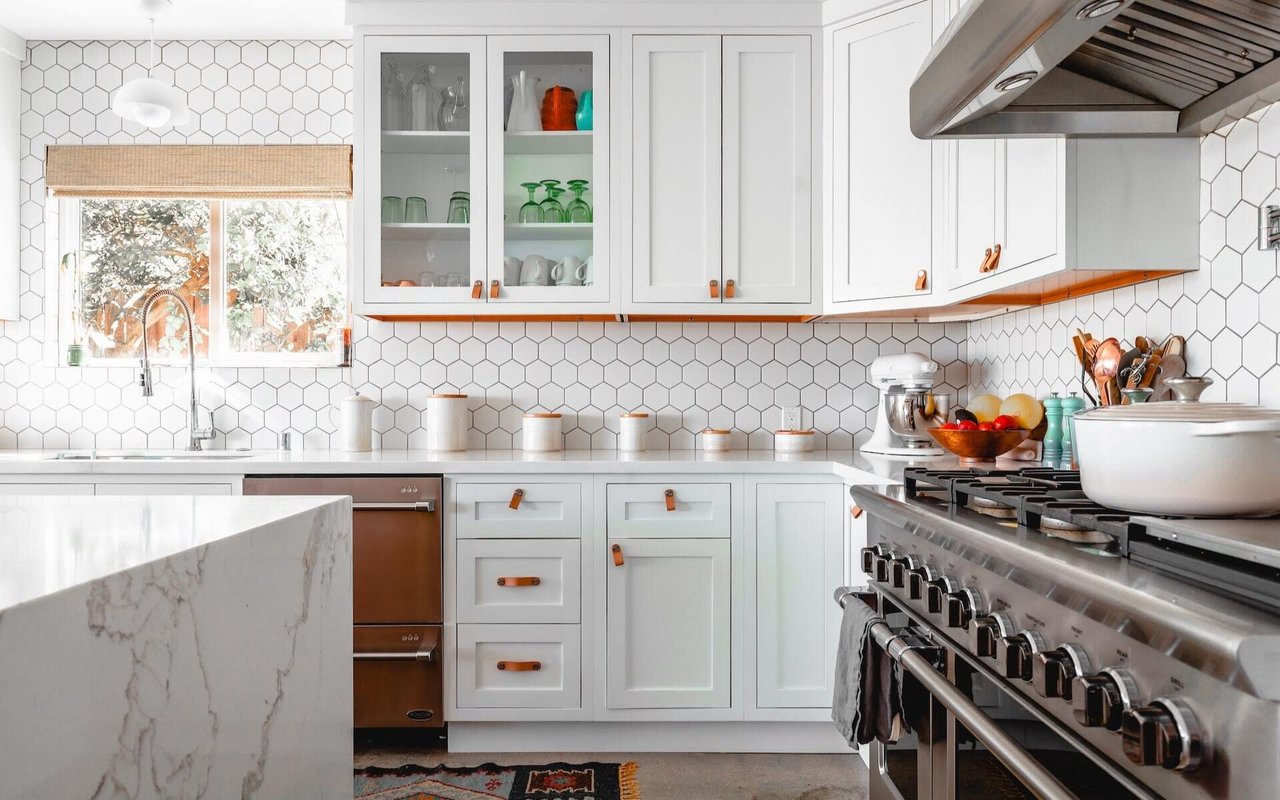
A stylish kitchen featuring white hexagonal tile backsplash, white cabinets, and copper-colored hardware and appliances.

Thinking of Buying A New Construction Home? Here Are 7 Common Myths You Shouldn't Believe

Space Intown, REALTORS® March 16, 2023

House-hunting is no easy journey, especially once you find that there's a limited inventory of previously-owned homes in the housing market.
 
If you’re a first-time home buyer, you might find that a new construction house is one of your viable options to finally achieve your homeownership dream. According to the National Association of Home Builders, a full one-third of inventory on the market is now new construction homes.
 
 
But if your knowledge of these newly-built homes is still clouded with a lot of misconceptions, we might be able to help set the record straight so you can make a wiser choice based on facts, and decide on the home that's best for you and your family.
 
 
The truth: While they technically cost more upfront, if you look beyond the price tag, you can take into account what you can save by not having to replace, upgrade, or bring to code elements of the home anytime soon.
 
After all, new construction homes will have brand new roofs, plumbing, flooring, heating and air conditioning, energy-efficient appliances, and other major systems. It's normal for previously owned homes to have undergone wear and tear of these crucial components. With new homes, it will be years before you have to worry about making any repairs, which could cost tens of thousands of dollars. They also typically come with a warranty, which will cover most repairs in the unlikely event there is a problem.
 
 
The truth: Financing a new home can often be easier and simpler. Many reputable builders maintain relationships and/or partnerships with lenders, who tend to be more flexible when it comes to a newly-built home since it translates to less risk compared to a previously-owned home.
 
The lenders they work with are familiar with the company and the quality of their work so they can quickly get buyers into new homes. Similarly, new construction companies usually have their own lending companies that will offer you several incentives when you do business with them instead of an outside lending source. This can make it easier for you to secure financing and help you get a better deal on your mortgage.
 
 
The truth: While they do take time to be built—about seven months on average, according to the 2021 U.S. Census Bureau's Survey of Construction, this does not mean you’ll need to wait that long.
 
Many home builders often start building long before they have a buyer. Construction on speculative homes, or spec homes, might already be well underway or even completed before you even start a transaction. You can easily find a move-in ready home if you’re looking to invest as soon as possible.
 
But still, it would be helpful to do some planning in advance. Make sure to ask how far along the home is in the building process, and if it can be completed within a reasonable time frame. It’s also worth keeping in mind that the build time will vary widely depending on the supply chain, the availability of labor and materials, municipality permitting times, and other factors.
 
 
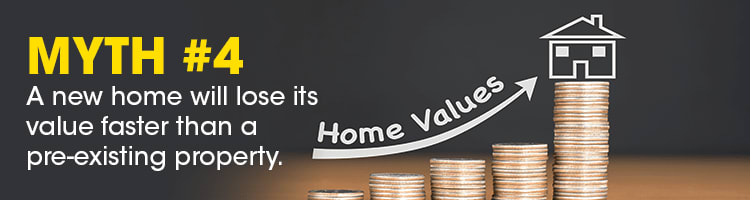
The truth: It might be true for a car, which loses a lot of its value the instant it is driven off. It isn't applicable to a new construction home, though.
 
In fact, a new home easily appreciates in value because of price increases as the builder sells more homes. You may even find that you’ve built equity even before you moved in, as more and more homes are sold within the area and the entire community is completed.
 
 
The truth: No matter what kind of house it is, the building construction principles generally stay the same.Regardless of their amenities and features, new homes are still going to be built to a requisite standard and are even subject to the latest in building codes, which have become more demanding over time. 
 
 
The truth: Home inspections, including new construction properties, are a standard and critical component of buying a home.
 
While a reputable builder will conduct their own inspection, you can also hire a third-party inspector to ensure the property was built according to the local building code. You can even periodically inspect the home throughout the construction process so you and the inspector can have a better understanding of the home's condition, and help them to see things they probably wouldn’t once the home is completed.
 
As a matter of fact, any builder who refuses to allow you to perform a home inspection is a major red flag, since a new build doesn’t necessarily mean it’s free of flaws. New construction houses are also inspected by local municipalities throughout the build, and they’re also the ones who provide a final certificate of occupancy before move-in is allowed.
 
 
The truth: You may not be required to have a real estate agent when entering a new construction deal, but there's no way you’d want to miss out on having your own representation, especially if you’re a first-time home buyer.
 
As with any real estate transaction, you’d want a knowledgeable and trusted real estate professional who will work in your best interest to negotiate for you on the best possible price, contract terms, add-ons, warranties, target completion dates, and other incentives. Having an agent can help you get the most value for your money and ensure that the transaction is completed properly.
 
Builders will be happy to work with your agent when you include them early in the process, even before you start searching for new construction homes. When it comes to their commissions, the cost is often part of the builder's marketing budget when they’re determining the sales price of a home. Besides, not choosing to work with an agent won’t make them offer you a better deal.

Recent Blog Posts

First-time Home Buyer

What Sellers Need to Know About Inspection Repairs

Inspection repairs are one of the most common negotiation points in an Atlanta home sale.

Short Sales

How to Price a Condo Correctly in Atlanta

Pricing a condo correctly in Atlanta requires more than looking at nearby listings.

Real Estate 101

How Escrow Works in Georgia Real Estate

Understanding how escrow works helps buyers and sellers avoid confusion, protect earnest money, and move confidently from contract to closing.

Real Estate 101

What Is an MLS and How do Buyers Use It?

The Multiple Listing Service, or MLS, is one of the most important tools in residential real estate.

Real Estate 101

Understanding Due Diligence in Georgia Home Purchases

Due diligence is one of the most important phases of a real estate transaction in Georgia.

 A grand, two-story house with a mix of light beige brick and stone cladding

Atlanta

What Rising Insurance Costs Mean for Atlanta Homeowners

Home insurance premiums have been increasing across Georgia, and Atlanta homeowners are seeing the impact firsthand.

Real Estate 101

What Is Title Insurance and Why You Need It

Title insurance is one of the most important protections in a real estate transaction, yet many buyers do not fully understand what it covers or why it matters.

Condo Purchase

How Mortgage Pre-Approval Works

Mortgage pre-approval is one of the most important first steps when buying a home in Atlanta.

Real Estate 101

What Is a Contingency in a Real Estate Contract

When buying or selling a home in Atlanta, contingencies are one of the most important parts of the real estate contract.

Work With Us

Do you have inquiries about the real estate process? Need expert advice on a property? Interested in exploring investment opportunities? Our team is here to provide the answers you seek. Contact us today; we'll be delighted to assist you and offer expert guidance, helping you navigate Atlanta's real estate landscape with confidence.