Peachtree Hills is one of those Atlanta neighborhoods that can feel surprisingly removed from the city even though it sits in the middle of Buckhead.
Its winding streets, mature trees, older cottages, renovated bungalows, and rolling terrain give it a quieter residential character than many people expect from a neighborhood located so close to Peachtree Road.
At the same time, residents remain close to Buckhead shopping, restaurants, employment centers, MARTA, Midtown, and some of Atlanta’s best-known parks and recreational facilities.
That combination is the essence of Peachtree Hills: a small-scale neighborhood atmosphere with easy access to the rest of the city.
Explore our Peachtree Hills neighborhood guide, browse Atlanta homes for sale, or contact The Agency Atlanta Intown for help finding the right property.
Peachtree Hills Has a Long History
Peachtree Hills traces its roots to the early 20th century. The neighborhood was subdivided from farmland beginning around 1910 and was formally established in 1912 as one of Atlanta’s early streetcar suburbs.
That history still shapes how the neighborhood feels today.
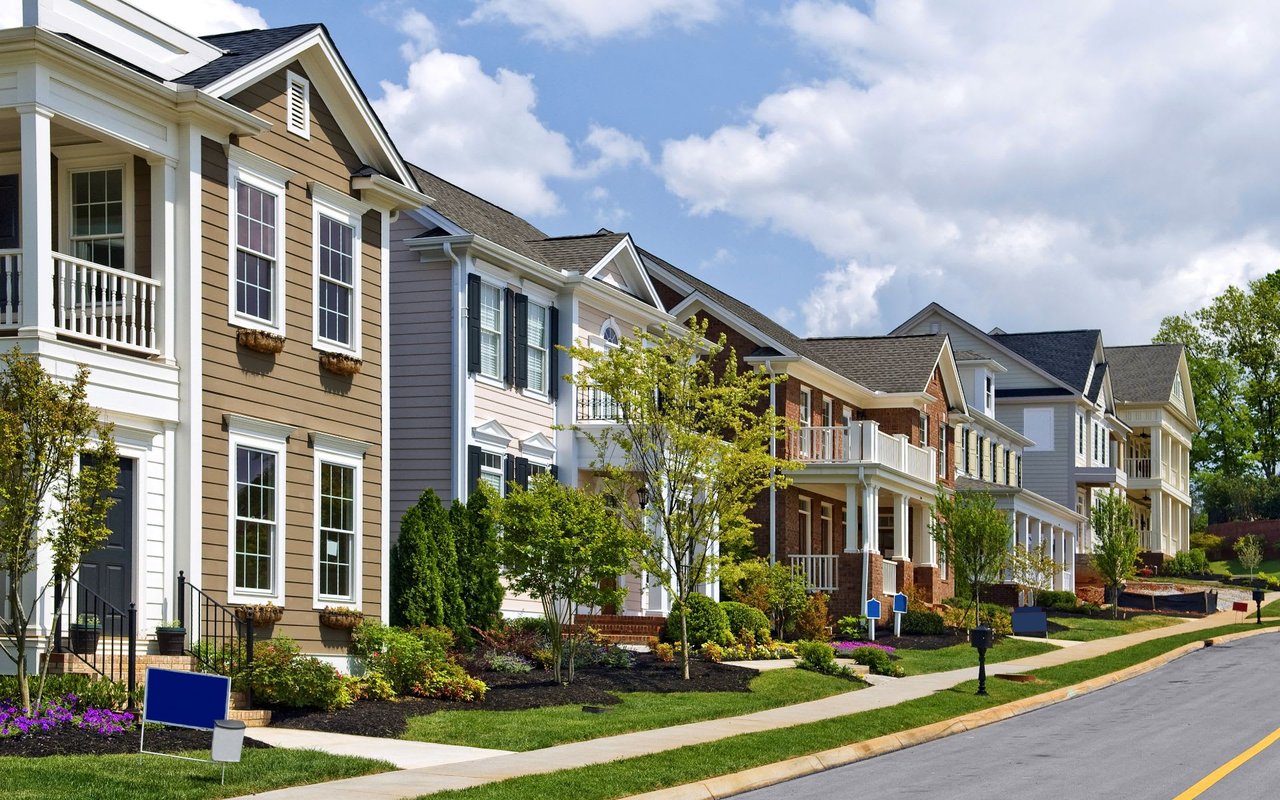
Rather than having one dominant architectural style, Peachtree Hills includes homes from multiple eras, many of which have been renovated or expanded over time while retaining much of their original character.
What Kind of Homes Will You Find?
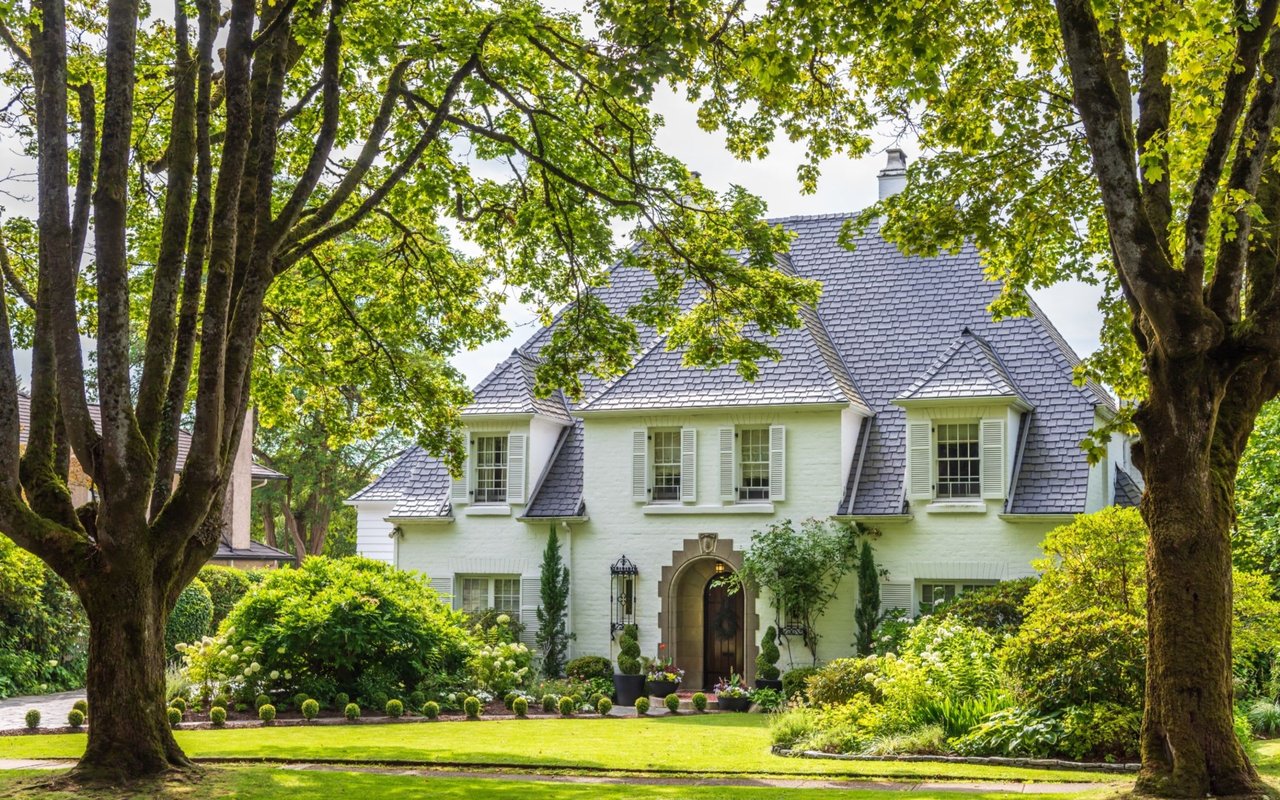
Peachtree Hills is best known for smaller-scale historic homes, including cottages and Craftsman-style houses, many of which date to before 1940. Over the years, owners have renovated, expanded, and in some cases added second stories or substantial additions.
Buyers may encounter:
- Craftsman bungalows
- Cottages
- Cape Cod-inspired homes
- Traditional brick residences
- Renovated historic homes
- Newer infill construction
- Townhomes and condominiums nearby
That variety gives the neighborhood a less uniform feel than a newer subdivision.
The Streets Are Part of the Appeal
Peachtree Hills is characterized by mature landscaping, tree-lined streets, and rolling terrain.
Many residential streets feel intimate because:
- Lots are relatively established
- Trees create a mature canopy
- Homes sit close enough to create a neighborhood feel
- The street pattern is less rigid than in newer developments
For buyers who want a true neighborhood environment rather than a large master-planned community, that can be a major attraction.
It Feels Residential Without Feeling Isolated
One of the strongest arguments for living in Peachtree Hills is location.
The neighborhood sits close to major Buckhead corridors while remaining tucked away from much of the commercial intensity.
Residents can reach:
- Peachtree Road
- Buckhead Village
- Midtown
- Lenox Square
- Phipps Plaza
- GA-400
- I-85
- MARTA
That can make Peachtree Hills appealing to buyers who work in Buckhead or Midtown but prefer a single-family neighborhood rather than a high-rise lifestyle.
Peachtree Hills Park Is an Everyday Amenity
Peachtree Hills Park is one of the neighborhood’s most important gathering places.
Current neighborhood guides highlight amenities including sports facilities, picnic areas, playground space, a community garden, and recreational activities such as pickleball.
For residents, this can mean having a place nearby for:
- Walking
- Outdoor play
- Recreation
- Neighborhood gatherings
- Casual outdoor time
The park reinforces the small-community feel that distinguishes Peachtree Hills from more densely developed parts of Buckhead.
Atlanta Memorial Park Is Also Nearby
Residents are also within relatively easy reach of Atlanta Memorial Park, which includes Bobby Jones Golf Course and the Bitsy Grant Tennis Center.
For golfers, tennis players, walkers, and runners, that creates another major recreational advantage.
The proximity of Peachtree Hills Park and larger nearby green spaces gives residents more outdoor options than its central Buckhead location might suggest.
The Neighborhood Has an Active Civic Identity
Peachtree Hills has an active civic association, and current neighborhood sources describe community activities that include seasonal celebrations, summer gatherings, happy hours, and other local events.
That involvement helps Peachtree Hills maintain a sense of identity despite being surrounded by some of Atlanta’s busiest commercial areas.
For buyers who value knowing neighbors and participating in a local community, this may be one of the neighborhood’s strongest lifestyle advantages.
There Are Restaurants and Shops Close By
Living in Peachtree Hills does not mean driving across Atlanta every time you want coffee, lunch, or dinner.
The neighborhood and surrounding Peachtree Battle area include restaurants and shops within a relatively short distance of many homes.
Current listings and neighborhood guides reference nearby favorites such as Treehouse, Verde Taqueria, and other restaurants and retail around Peachtree Battle.
Peachtree Road then opens up considerably more dining, grocery, shopping, and service options.
Walkability Depends on Your Exact Location
Peachtree Hills is not uniformly walkable in the same way as Midtown or a BeltLine neighborhood.
Some homes are positioned close enough to neighborhood restaurants, shops, parks, or Peachtree Road amenities that walking can be practical.
Others are better described as residentially walkable, meaning residents may walk through the neighborhood for exercise or recreation but still drive for many errands.
If walkability is important, evaluate the exact property rather than relying on the neighborhood name alone.
Related reading: How Walkability Affects Home Prices in Atlanta
What Is the Housing Market Like?
Peachtree Hills includes a broad mix of condos, townhomes, and single-family residences, so neighborhood-wide statistics can be misleading.
Homes.com currently reports a median sale price of approximately $885,000 over the previous 12 months, with a median single-family sale price around $970,000. It also reports an average price of approximately $433 per square foot and a median year built of 1944.
Realtor.com’s June 2026 neighborhood data reported a median sold price of approximately $748,500, but its broader dataset includes a substantial number of lower-priced condos, which helps explain why different neighborhoodwide statistics can vary considerably.
For buyers, the important point is this: a Peachtree Hills median should not be used as a shortcut for valuing an individual property.
Single-Family Homes Often Command a Premium
Established single-family homes make up much of the neighborhood’s character.
Current market guides indicate that single-family properties can range from the mid-$600,000s into the $1 million-plus range, with renovated or expanded homes sometimes reaching substantially higher prices.
Value can vary dramatically based on:
- Street
- Lot
- Renovation quality
- Square footage
- Bedroom count
- Garage or parking
- Outdoor space
Older Homes Can Be Charming, but Inspect Carefully
Peachtree Hills buyers should approach older homes with the same care they would use in other established Intown neighborhoods.
Inspect:
- Roof
- Electrical systems
- Plumbing
- HVAC
- Foundation
- Sewer line
- Windows
- Drainage
- Past additions
A renovated kitchen or bathroom tells you very little about the condition of systems hidden behind the walls.
Related reading: What Is a Home Inspection and What It Covers
Renovations Are Common
Because many Peachtree Hills homes began as smaller cottages or bungalows, expansions are common.
Current neighborhood reporting notes that some owners have added second stories, sunrooms, or other extensions over time.
When evaluating an expanded home, ask:
- Was the work permitted?
- Does the addition flow naturally?
- Were major systems upgraded?
- Does the renovation preserve architectural character?
- Is the added square footage reflected in public records?
Lot Size and Topography Matter
Peachtree Hills is not flat.
Its rolling terrain adds visual interest, but it also means lot usability can vary.
Before buying, consider:
- Driveway slope
- Rear-yard usability
- Drainage
- Retaining walls
- Tree placement
- Privacy
A smaller level lot may be more useful to some buyers than a larger but steeply sloped property.
Parking Can Vary Significantly
Many older Atlanta neighborhoods were developed before households routinely owned multiple large vehicles.
Depending on the property, parking may consist of:
- A driveway
- A carport
- A detached garage
- An attached garage added later
- Street parking
If garage parking or multiple vehicles are important, verify the actual configuration during your search.
Condos Provide Another Way to Live Nearby
Not every Peachtree Hills buyer wants a detached home.
The neighborhood and surrounding Peachtree Road corridor include condominium options ranging from relatively modest older units to newer luxury residences.
Homes.com currently notes that the broader Peachtree Hills housing mix includes condos at considerably lower entry points than single-family homes, while newer luxury developments can exceed $1 million.
This gives buyers several different ways to access the location.
Explore our Buckhead condo buildings if lower-maintenance living is part of your search.
Traffic Is Nearby, Even If It Does Not Always Feel That Way
The quiet interior streets can make it easy to forget that Peachtree Hills sits close to some of Atlanta’s busiest corridors.
Peachtree Road, Piedmont Road, Lindbergh Drive, and other major routes can experience significant traffic during peak periods.
Before purchasing, test your actual commute during the hours when you will normally travel.
Transit Can Be Useful
Peachtree Hills benefits from proximity to MARTA and major transit corridors, although convenience varies by exact address.
For buyers who work in Midtown, Downtown, Buckhead, or other MARTA-accessible areas, transit may provide an alternative to driving every day.
Related reading: Living Close to MARTA in Midtown and Buckhead
Peachtree Hills Has a More Relaxed Feel Than Central Buckhead
Much of Buckhead is defined by luxury high-rises, major retail centers, office towers, and busy commercial streets.
Peachtree Hills offers something different.
Its scale is primarily residential, with older houses, neighborhood parks, mature trees, and streets where walking the dog or chatting with neighbors feels natural.
That makes it attractive to buyers who want Buckhead convenience without living directly in the middle of Buckhead’s most urban environment.
Peachtree Hills vs. Garden Hills
These two neighborhoods are close geographically and share several characteristics.
Both offer:
- Historic housing
- Mature trees
- Easy Buckhead access
- Neighborhood parks
- A strong residential identity
Garden Hills tends to extend closer to some of Buckhead’s major commercial destinations, while Peachtree Hills often feels smaller and more tucked away.
Buyers considering one should usually tour the other.
Related reading: A Buyer's Guide to Garden Hills
Peachtree Hills vs. Midtown
The lifestyle difference is more substantial.
Midtown generally offers:
- More high-rise living
- Greater walkability
- Closer access to MARTA
- More restaurants and cultural destinations within walking distance
Peachtree Hills generally offers:
- More single-family homes
- Private yards
- Quieter residential streets
- A more neighborhood-oriented atmosphere
Neither is inherently better. They serve different lifestyles.
Explore Midtown Atlanta if you are comparing both options.
Who Is Peachtree Hills Best For?
Peachtree Hills may be an especially good fit if you want:
- A single-family home near Buckhead
- Historic charm
- Mature landscaping
- Neighborhood parks
- Quick access to Midtown and Buckhead
- A stronger sense of community
- Less density than central Buckhead
Who Might Prefer Another Neighborhood?
You may want to compare other areas if you:
- Want maximum walkability
- Prefer new construction exclusively
- Want very large estate-sized lots
- Do not want to maintain an older home
- Prefer a high-rise lifestyle with extensive amenities
What Buyers Should Pay Attention to Most
If you're shopping in Peachtree Hills, pay particular attention to:
- Condition: Older homes can vary dramatically in system updates.
- Renovation quality: Not all additions are equally well executed.
- Lot: Topography, privacy, and drainage can change the experience of the property.
- Parking: Older homes may have limited garage or driveway space.
- Street location: Traffic and noise vary considerably depending on proximity to major roads.
- Comparable sales: Use properties with similar style, condition, lot, and size rather than neighborhood averages alone.
What Is Everyday Life Like?
For many residents, everyday life in Peachtree Hills is relatively simple.
You might start the morning with a walk through tree-lined residential streets, take the dog to Peachtree Hills Park, work in nearby Buckhead or Midtown, grab dinner at a neighborhood restaurant, and still be home on a quiet street at the end of the evening.
That rhythm is what makes the neighborhood compelling.
Peachtree Hills provides access to city amenities without requiring residents to feel immersed in them every moment of the day.
Final Thoughts
Peachtree Hills offers one of Buckhead’s most appealing residential contrasts.
It is close to major roads, shopping, offices, restaurants, transit, and recreation, yet its historic cottages, Craftsman homes, mature tree canopy, hills, parks, and active civic community create a much more intimate neighborhood experience.
For buyers, the biggest opportunity is finding the right combination of location, renovation quality, lot, parking, and architectural character.
The biggest caution is assuming that two Peachtree Hills homes are directly comparable simply because they share the same neighborhood. Condition, expansion history, street placement, topography, and property type can create major differences in value.
If you're considering buying or selling in Peachtree Hills, contact The Agency Atlanta Intown. Our team can help you compare current listings, recent sales, nearby neighborhoods, and the property-level differences that matter when buying in one of Buckhead’s most established residential communities.