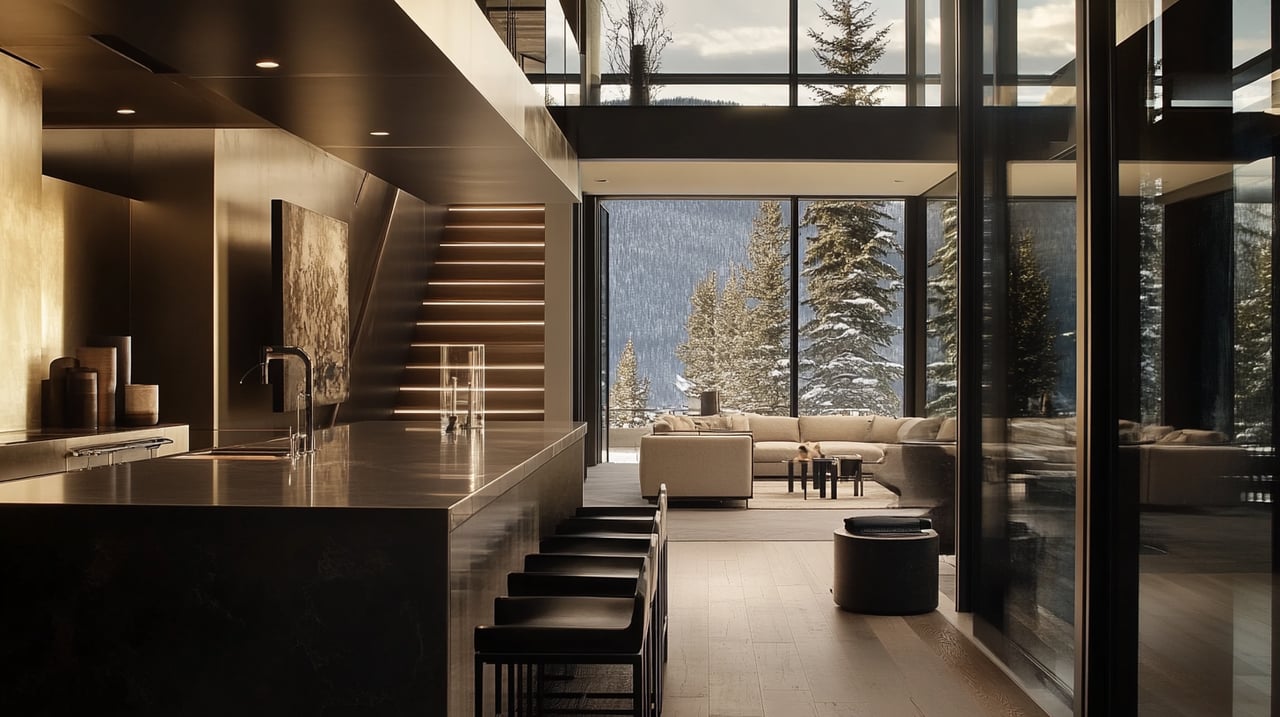
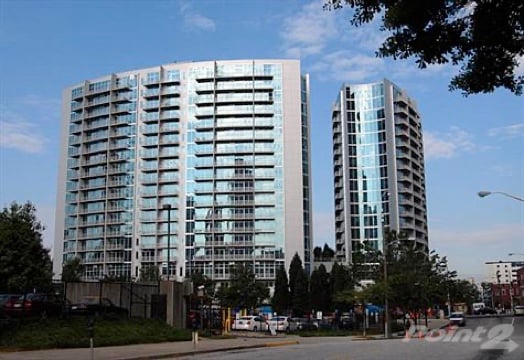
When buyers tour an Atlanta condominium, one of the first things they often notice is how much natural light fills the living space. Large windows, bright interiors, and open views can make a residence feel welcoming, spacious, and connected to the surrounding city.
In Midtown and Buckhead, where condominium buildings range from older residential towers to contemporary glass high-rises, natural light can be an important factor in buyer preferences.
Two condominiums with identical floor plans and square footage may create completely different impressions because of their window placement, directional exposure, and surrounding buildings.
Natural light can influence how quickly a condominium attracts buyer interest, how buyers perceive its value, and how it compares with competing properties.
However, a brighter condominium does not automatically command a higher price. The financial impact depends on the building, floor level, views, interior condition, and available comparable sales.
Understanding how natural light affects condo buyer demand can help Atlanta buyers choose the right residence and help sellers position their properties more effectively.
Why Natural Light Matters to Condo Buyers
Natural light affects more than the appearance of a room. It can influence how a condominium feels throughout the day and how comfortably its spaces function.
Buyers often associate bright interiors with openness, attractive design, and an enjoyable living environment.
In a condominium, where owners may have limited control over exterior walls and window placement, natural light can be especially important.
Unlike paint colors, flooring, or kitchen finishes, the amount of sunlight entering a residence may be difficult or impossible to change significantly.
Several characteristics influence natural light:
- Window size and placement
- Directional exposure
- Floor level
- Distance from neighboring buildings
- Balconies and architectural overhangs
- Interior floor plan
- Window treatments
- Surrounding trees and landscaping
For buyers comparing otherwise similar properties, these differences can influence which condominium they ultimately prefer.
1. Natural Light Can Make a Condo Feel Larger
One of the most noticeable effects of natural light is how it changes the perception of interior space.
A well-lit condominium may feel more open than another residence with the same square footage but limited windows.
Natural light can make living areas feel less enclosed and help create visual connections between rooms.
For example, consider two hypothetical one-bedroom condominiums in Midtown Atlanta.
Both contain 900 square feet.
The first has large windows overlooking an open cityscape. The second faces a nearby building, limiting the amount of daylight entering the living room.
Although the residences have identical interior square footage, buyers may perceive the first as more spacious.
This difference can become especially important in smaller condominiums, where efficient use of space is a major consideration.
2. Window Size and Placement Matter
Large windows are frequently highlighted in Atlanta condominium listings.
Floor-to-ceiling windows, expansive glass walls, and corner exposures can create a dramatic visual experience.
However, window size alone does not determine how much natural light enters a condominium.
A large window facing a neighboring tower may provide less useful daylight than a smaller window overlooking an unobstructed area.
Buyers should evaluate:
- How much daylight reaches the main living areas
- Whether bedrooms have adequate natural light
- Whether neighboring buildings block sunlight
- How window placement affects furniture arrangements
- Whether direct sunlight creates excessive glare
- Whether window coverings are necessary for privacy
Window placement should be considered alongside the overall floor plan.
3. East-Facing Condos: Morning Sunlight
East-facing condominiums typically receive more direct sunlight during the morning hours.
For buyers who enjoy starting their day with natural light, this exposure can be particularly appealing.
Morning sunlight may brighten kitchens, breakfast areas, and living rooms before the strongest afternoon heat arrives.
Potential advantages include:
- Bright morning interiors
- Less direct afternoon sunlight
- Potentially comfortable afternoon conditions
- Attractive sunrise views
However, the experience depends on the building's location and surrounding structures.
An east-facing unit overlooking another high-rise may receive less morning sunlight than expected.
4. West-Facing Condos: Afternoon Light and Sunset Views
West-facing condominiums generally receive stronger direct sunlight during the afternoon.
In Atlanta, this exposure can create beautiful sunset views, particularly from higher floors with open western outlooks.
For some buyers, watching the sun set over the city is a major attraction.
However, west-facing residences can also experience greater afternoon heat and glare.
Important considerations include:
- Window glazing
- Solar heat gain
- Availability of shades or blinds
- HVAC performance
- Balcony exposure
- Furniture and flooring exposed to direct sunlight
A west-facing condominium with excellent views may be highly desirable, but buyers should evaluate its comfort during warmer months.
5. North-Facing Condos: More Consistent Indirect Light
In Atlanta's Northern Hemisphere location, north-facing windows generally receive less direct sunlight than south-facing windows over the course of the year.
This can produce relatively consistent indirect daylight.
Some buyers prefer this exposure because it may reduce glare and intense solar heating.
North-facing units can be appealing for home offices, living spaces with large windows, or buyers who prefer softer natural light.
However, units with limited window area or significant obstructions may feel darker.
The quality of the exposure depends on the entire building environment.
6. South-Facing Condos: Sunlight Throughout the Year
South-facing condominiums can receive substantial direct sunlight, especially during winter when the sun is lower in the sky.
This exposure may appeal to buyers who prioritize bright interiors.
However, the amount of sunlight entering the residence depends on window design, overhangs, neighboring buildings, and seasonal sun angles.
Potential advantages include:
- Strong daylight availability
- Bright living areas
- Winter solar exposure
- Potentially attractive city views
Potential considerations include glare, heat gain, and the need for appropriate window coverings.
No single directional exposure is universally best for every Atlanta condo buyer.
The ideal orientation depends on personal preferences, daily routines, views, and the building's design.
7. How Floor Level Affects Natural Light
Floor level can influence how much sunlight enters a condominium.
Higher-floor residences may have fewer nearby obstructions and broader views.
Lower-floor units may receive more shade from neighboring buildings, trees, or architectural features.
However, higher floors are not automatically brighter.
For example, a lower-floor corner unit with windows on two sides may receive more natural light than a higher-floor interior unit facing a shaded courtyard.
When evaluating floor level, buyers should consider:
- Surrounding building heights
- Directional exposure
- Window placement
- Nearby trees
- Balcony overhangs
- Open space between buildings
The actual lighting conditions are more important than the floor number alone.
8. Why Corner Units Often Appeal to Buyers
Corner condominiums can offer an important advantage: windows on more than one exterior wall.
Depending on the building's design, this may allow daylight to enter from multiple directions.
Corner units may also provide:
- Broader views
- More varied sunlight throughout the day
- Greater visual openness
- Additional window area
- Distinctive floor plans
However, corner units are not automatically more valuable.
Their appeal depends on layout, views, privacy, condition, and comparable sales.
A corner residence with limited usable space or obstructed windows may be less desirable than a well-designed interior unit.
9. Natural Light and Skyline Views Often Work Together
Natural light and views are closely related, but they are not identical.
A condominium may have excellent natural light without a dramatic skyline view.
Another residence may offer an impressive nighttime skyline but receive limited direct sunlight during the day.
In Midtown Atlanta, buyers may compare units overlooking Piedmont Park, surrounding neighborhoods, and the Midtown skyline.
Each exposure can create a different combination of light and scenery.
For buyers, the ideal residence may offer both an attractive view and comfortable natural light.
Related reading: How Much Is a Skyline View Worth in an Atlanta Condo?
10. Can Natural Light Increase Condo Value?
Natural light can contribute to condominium value when buyers demonstrate a willingness to pay more for brighter residences.
However, there is no universal percentage or dollar amount that applies to Atlanta condominiums.
The most reliable approach is to compare relevant closed sales.
Consider the following hypothetical example:
Feature | Condo A | Condo B |
|---|---|---|
Interior size | 1,200 sq. ft. | 1,200 sq. ft. |
Bedrooms | 2 | 2 |
Bathrooms | 2 | 2 |
Interior condition | Similar | Similar |
Parking | 1 space | 1 space |
Natural light | Limited | Abundant |
Hypothetical sale price | $480,000 | $500,000 |
In this illustration, the brighter condominium sells for $20,000 more.
That represents approximately a 4.2% premium over the $480,000 sale price of the other unit.
However, these figures are hypothetical and do not represent actual Atlanta sales or an established natural-light premium.
Before attributing the price difference to natural light, the analysis must consider other factors, including views, floor level, exposure, and floor-plan differences.
11. How Appraisers Evaluate Natural Light
Appraisers generally evaluate a condominium using relevant market evidence, including comparable sales.
Natural light may influence value when it contributes to differences in buyer demand and market-supported pricing.
However, appraisers do not typically assign a universal adjustment simply because one unit receives more sunlight.
Instead, they consider the overall characteristics of the property.
These may include:
- Floor level
- Views
- Window placement
- Floor plan
- Condition
- Square footage
- Parking
- Outdoor space
When comparable units differ in natural light, the appraiser may consider whether the market supports an adjustment.
Separating the value of natural light from the value of views or floor level can be difficult because these characteristics often occur together.
12. Does Natural Light Help a Condo Sell Faster?
Bright, attractive interiors may help a condominium make a stronger impression during showings.
Natural light can also improve the appearance of listing photographs, helping buyers understand the layout and atmosphere of the residence.
However, natural light alone does not guarantee a faster sale.
Buyer demand also depends on:
- Asking price
- Building condition
- HOA fees
- Floor plan
- Parking
- Renovation quality
- Financing eligibility
- Competing inventory
A bright condominium that is significantly overpriced may remain on the market longer than a competitively priced unit with less natural light.
Pricing and presentation remain essential.
13. Natural Light in Midtown Atlanta Condos
Midtown Atlanta offers a wide range of condominium buildings, including older residential towers and contemporary high-rises.
Window design and directional exposure vary considerably between buildings.
Some residences feature expansive glass walls with open city views.
Others have more traditional windows or face neighboring buildings.
When comparing Midtown condominiums, buyers should evaluate natural light alongside:
- Proximity to Piedmont Park
- Skyline views
- Building orientation
- Floor level
- Nearby development
- Interior layout
- Balcony exposure
For example, a condominium overlooking Piedmont Park may receive attractive daylight and offer an open outlook.
However, the amount of direct sunlight will depend on the residence's orientation and surrounding structures.
Explore more about the area through our Midtown Atlanta real estate resources.
14. Natural Light in Buckhead Luxury Condos
Buckhead's condominium market includes a variety of luxury buildings with different architectural designs.
Some residences feature large windows and expansive views of the Buckhead skyline or surrounding tree canopy.
Others offer more traditional layouts with separate rooms and smaller window areas.
For buyers transitioning from large detached homes, natural light may be especially important.
A bright condominium can help create a sense of openness while offering a more manageable living environment.
However, luxury buyers should evaluate the relationship between glass exposure, privacy, temperature control, and views.
Extensive windows can create an attractive living experience, but they may also require effective shading and HVAC performance.
15. Can Nearby Development Reduce Natural Light?
Yes. New construction can change the amount of daylight entering a condominium.
A unit that currently overlooks a low-rise building or vacant parcel may receive less sunlight if a taller structure is constructed nearby.
Buyers should investigate:
- Adjacent vacant parcels
- Existing low-rise properties
- Proposed developments
- Applicable zoning
- Available development applications
- Building permits
- Potential future building heights
However, the absence of a currently proposed development does not guarantee that surrounding conditions will remain unchanged.
Natural light and views are not automatically protected from future construction.
Buyers should verify any claimed legal protections rather than relying on informal assurances.
16. How Window Treatments Affect Natural Light
Window treatments can significantly influence how bright a condominium feels.
Heavy curtains or dark blinds may reduce daylight even when the unit has large windows.
Depending on building rules and personal preferences, owners may consider:
- Sheer curtains
- Solar shades
- Roller blinds
- Light-filtering window treatments
- Motorized shades
Solar shades can help manage glare while allowing some daylight to enter.
However, window coverings vary in their effectiveness at reducing heat, glare, and ultraviolet exposure.
Buyers should also review condominium rules governing visible window treatments and exterior appearance.
17. Natural Light and Energy Efficiency
Natural light can reduce the need for artificial lighting during daylight hours.
However, more sunlight does not automatically mean lower utility bills.
Large windows may also increase solar heat gain, particularly during Atlanta's warmer months.
Energy performance depends on several factors:
- Window glazing
- Insulation
- Window orientation
- Exterior shading
- HVAC efficiency
- Air leakage
- Interior window treatments
A bright condominium with inefficient windows may have higher cooling costs than a unit with more moderate sunlight exposure.
Buyers should evaluate natural light and energy performance separately.
18. Natural Light and Interior Design
Natural light can influence how interior finishes appear.
Flooring, paint colors, countertops, and cabinetry may look different depending on the amount and direction of sunlight.
For example, a warm paint color may appear brighter in direct afternoon light and more subdued in a north-facing room.
Buyers should avoid making assumptions about interior colors based solely on listing photographs.
When possible, view the property in person and observe how natural light interacts with the finishes.
For sellers, neutral finishes and thoughtful staging can help highlight the existing light without exaggerating the space.
19. How Sellers Can Maximize Natural Light Before Listing
Natural light is an important consideration when preparing a condominium for sale.
Even when the unit's orientation cannot be changed, sellers can improve how the available daylight is presented.
Clean the Windows
Clean interior glass can improve clarity and help showcase views.
Exterior window cleaning may be controlled by the condominium association.
Open Window Treatments
During showings, open blinds and curtains where appropriate to allow daylight into the residence.
Use Thoughtful Furniture Placement
Avoid placing large furniture pieces directly in front of windows when doing so blocks light or views.
Choose Appropriate Interior Colors
Light, neutral finishes may help distribute available light and create a more open appearance.
Use Professional Photography
Photographs should accurately represent the residence's lighting conditions.
Professional photographers can balance interior and exterior exposure without making the property appear unrealistically bright.
Consider Showing Times
If a residence receives particularly attractive morning or afternoon light, scheduling showings during those periods may help buyers appreciate the space.
However, sellers should ensure the property remains comfortable and appealing throughout the day.
20. Can You Improve Natural Light in an Existing Condo?
Some improvements may help a condominium feel brighter without changing its exterior structure.
Potential options include:
- Using lighter paint colors
- Installing appropriate window treatments
- Rearranging furniture
- Adding mirrors strategically
- Using reflective interior finishes
- Improving interior lighting
- Removing unnecessary visual obstructions
However, major changes to windows, exterior walls, or structural elements generally require condominium association approval and may not be permitted.
Buyers should not assume they can enlarge windows or modify exterior openings after purchasing.
21. Natural Light vs. Floor Plan: Which Matters More?
Natural light is important, but it should not be evaluated in isolation.
A bright condominium with an inefficient floor plan may be less functional than a slightly darker residence with better room proportions and storage.
Consider two hypothetical units:
Unit A has expansive windows but limited wall space for furniture.
Unit B has somewhat less natural light but a more practical layout with better storage and furniture placement.
Different buyers may prefer different options.
The strongest resale appeal often comes from a combination of desirable characteristics rather than one standout feature.
22. Natural Light vs. Balcony: Which Adds More Value?
Buyers sometimes compare a bright condominium without outdoor space against a unit with a balcony but less natural light.
Neither feature is universally more valuable.
A buyer who enjoys outdoor entertaining may prioritize a balcony.
Another buyer who works from home may prefer large windows and abundant daylight.
The better purchase depends on lifestyle preferences and the relative pricing of the units.
Related reading: Balcony or No Balcony: How Outdoor Space Affects Condo Value.
23. How to Evaluate Natural Light During a Condo Showing
When touring an Atlanta condominium, buyers should pay attention to lighting conditions rather than relying exclusively on listing photographs.
Consider the following checklist:
- Identify the unit's directional exposure.
- Observe how much daylight enters the living room.
- Evaluate natural light in the bedrooms.
- Look for neighboring buildings that block sunlight.
- Consider whether balconies or overhangs create shade.
- Evaluate glare and heat near large windows.
- Check whether window treatments are included.
- Consider privacy when blinds are open.
- Ask about nearby development.
- Evaluate how furniture placement affects light.
- Consider visiting at another time of day.
- Compare lighting conditions with similar units in the building.
A second visit at a different time can provide useful perspective, particularly when natural light is a major purchasing priority.
24. Common Mistakes Buyers Make When Evaluating Natural Light
- Assuming higher floors always receive more sunlight
- Relying entirely on listing photographs
- Ignoring directional exposure
- Overlooking neighboring buildings
- Failing to consider afternoon heat and glare
- Assuming large windows guarantee bright interiors
- Ignoring privacy when window coverings are open
- Overlooking future development
- Paying a premium without reviewing comparable sales
- Prioritizing sunlight over overall floor-plan functionality
Frequently Asked Questions About Natural Light in Condos
Does natural light increase condo value?
Natural light can contribute to buyer appeal and may influence market value when comparable sales demonstrate that buyers pay more for brighter residences. However, there is no standard premium that applies to every condominium.
Which condo direction gets the most sunlight?
In Atlanta, south-facing windows can receive substantial sunlight throughout the year, while east-facing windows receive more morning sun and west-facing windows receive stronger afternoon sun. Actual conditions depend on surrounding buildings and architectural design.
Are south-facing condos better?
Not necessarily. South-facing units may appeal to buyers who prioritize sunlight, but others may prefer the softer light of a north-facing residence or the morning exposure of an east-facing unit.
Do higher-floor condos have more natural light?
Higher floors may have fewer obstructions, but floor level alone does not determine brightness. Window placement, directional exposure, and neighboring buildings also matter.
Are corner condos brighter?
Corner units may receive more daylight because they can have windows on multiple exterior walls. However, the actual amount of light depends on the building's design and surrounding conditions.
Can natural light help a condo sell faster?
Bright interiors may create a favorable impression and improve listing presentation. However, pricing, condition, location, building finances, and market conditions also influence how quickly a property sells.
Can new construction block sunlight?
Yes. New buildings can change daylight exposure. Buyers should investigate nearby development opportunities before purchasing a condominium primarily because of its natural light or views.
Can I install larger windows in my condo?
Window modifications typically require association approval and may be restricted or prohibited. Buyers should review the governing documents before assuming exterior alterations are possible.
Does more natural light mean lower electricity bills?
Not necessarily. Daylight may reduce artificial lighting needs, but direct sunlight can increase cooling requirements. Energy performance depends on window efficiency, shading, HVAC systems, and other factors.
Final Thoughts: How Important Is Natural Light When Buying an Atlanta Condo?
Natural light can be one of the most influential features of a condominium.
It affects how a residence feels, how its rooms function, and how buyers respond during showings.
In Atlanta's Midtown and Buckhead condominium markets, window placement, directional exposure, floor level, and surrounding development can create meaningful differences between otherwise similar properties.
However, natural light should be considered alongside views, floor plans, condition, parking, HOA fees, and the building's overall financial health.
The best condominium is not necessarily the brightest one. It is the residence that offers the right combination of comfort, functionality, location, and value for the buyer.
For sellers, highlighting natural light through thoughtful staging, accurate photography, and appropriate showing times can help communicate a property's strengths.
For buyers, evaluating sunlight at different times of day and comparing similar units can help prevent costly surprises.
If you're buying or selling a condominium in Midtown, Buckhead, or another Atlanta neighborhood, contact The Agency Atlanta – Intown Office. Our team specializes in Atlanta condominium sales and can help you compare floor plans, directional exposures, views, and building-specific market values.
This article is provided for general informational purposes. Hypothetical examples do not represent actual sales or guaranteed price premiums. Natural light, property values, development conditions, and buyer preferences vary. Buyers and sellers should verify property-specific information before making real estate decisions.