Living on Piedmont Avenue: Midtown Atlanta Guide
For buyers considering a home in Midtown Atlanta, location often matters just as much as the property itself. While Peachtree Street is known for its office towers, cultural institutions, and busy commercial corridors, Piedmont Avenue offers a different perspective on urban living.
Running along the eastern side of Midtown, Piedmont Avenue connects residential buildings, neighborhood restaurants, local businesses, and some of Atlanta's most recognizable outdoor destinations.
Depending on where you live, Piedmont Park, the Atlanta Botanical Garden, Midtown's restaurant scene, and surrounding residential neighborhoods may all be within walking distance.
For condominium buyers, Piedmont Avenue can offer an appealing combination of city convenience and access to green space.
However, the experience varies considerably by block. Some sections feature high-rise residences and active intersections, while others feel more closely connected to Midtown's established residential streets.
Living on Piedmont Avenue in Midtown Atlanta can be an excellent choice for buyers who prioritize walkability, access to Piedmont Park, neighborhood amenities, and an active Intown lifestyle.
Here's what prospective residents should know before purchasing a condominium or home along this important Midtown corridor.
Where Is Piedmont Avenue in Midtown Atlanta?
Piedmont Avenue is a major north-south street that runs through several Atlanta neighborhoods.
Within Midtown, it serves as an important connection between the neighborhood's residential areas, commercial destinations, and nearby parks.
For buyers exploring Midtown real estate, particularly relevant sections include the areas around:
- 10th Street
- 11th Street
- 12th Street
- 13th Street
- 14th Street
- Piedmont Park
- The Midtown Garden District
- Nearby Ansley Park
The character of Piedmont Avenue changes as it moves through Midtown.
Some sections feature condominium buildings and active commercial intersections. Others provide convenient connections to quieter residential streets and neighborhood parks.
Understanding these differences is important when choosing where to live.
Why Buyers Choose Piedmont Avenue
One of Piedmont Avenue's primary attractions is its location.
Residents can enjoy many of Midtown's urban conveniences while remaining close to some of Atlanta's most popular outdoor spaces.
Potential advantages include:
- Convenient access to Piedmont Park
- Walkable restaurants and neighborhood businesses
- Condominium and residential housing options
- Proximity to Midtown's cultural destinations
- Access to nearby residential neighborhoods
- Opportunities for walking and outdoor recreation
- Convenient connections to other parts of Intown Atlanta
- A mix of urban activity and residential character
However, Piedmont Avenue is still an active city street.
Traffic, intersections, construction, and neighborhood events can influence the daily living experience.
Buyers should evaluate the specific block and building rather than relying solely on the street's reputation.
1. Piedmont Park Is One of the Biggest Attractions
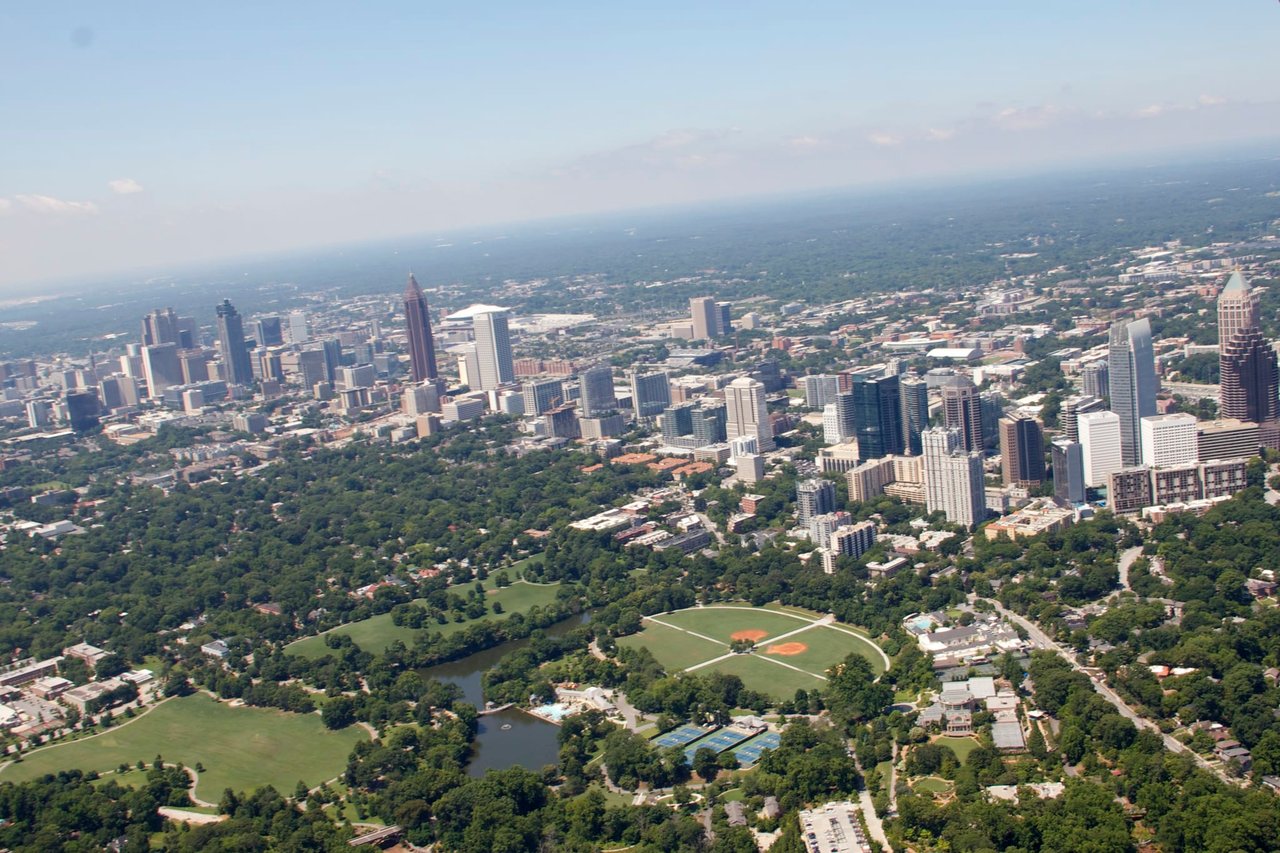
For many buyers, proximity to Piedmont Park is one of the strongest reasons to consider living along Piedmont Avenue.
Piedmont Park is one of Atlanta's most recognizable public green spaces and a major destination for Midtown residents.
The park provides opportunities for:
- Walking and jogging
- Outdoor recreation
- Relaxing on open lawns
- Community gatherings
- Seasonal festivals
- Dog walking
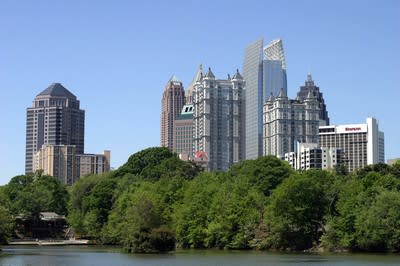
- Enjoying views of Midtown's skyline
For condominium owners who do not have private yards, the park can serve as an important extension of their living environment.
Residents may enjoy walking to the park for exercise, meeting friends, or spending time outdoors.
However, walking distance depends on the property's location along Piedmont Avenue.
Buyers should evaluate the actual route to their preferred park entrance.
2. Living Near Piedmont Park vs. Having a Park View
Living within walking distance of Piedmont Park and owning a condominium with a direct park view are two different advantages.
A residence may provide convenient park access without overlooking the park itself.
Another condominium may offer an attractive view of the park but require a longer walk to a convenient entrance.
For some buyers, daily access is more important than the view.
Others may place a premium on looking out over the park from their living room or balcony.
When evaluating a park-oriented condominium, consider:
- Walking distance to the nearest entrance
- Views from the main living areas
- Floor level
- Balcony orientation
- Natural light
- Potential future view obstructions
- Comparable sales within the building
A park view can contribute to buyer appeal, but the premium depends on market evidence rather than a universal pricing formula.
3. The Atlanta Botanical Garden
The Atlanta Botanical Garden is located adjacent to Piedmont Park and is another major attraction for residents of northern Midtown.
The garden offers landscaped grounds, exhibitions, seasonal displays, and educational programming.
For residents who enjoy gardening, art, and outdoor experiences, proximity to the garden can be a meaningful lifestyle benefit.
However, the garden is a ticketed attraction with its own admission policies and operating hours.
Buyers should distinguish between living near the garden and having direct access to it.
The actual walking distance also depends on the condominium's location.
4. What Is the Midtown Garden District?
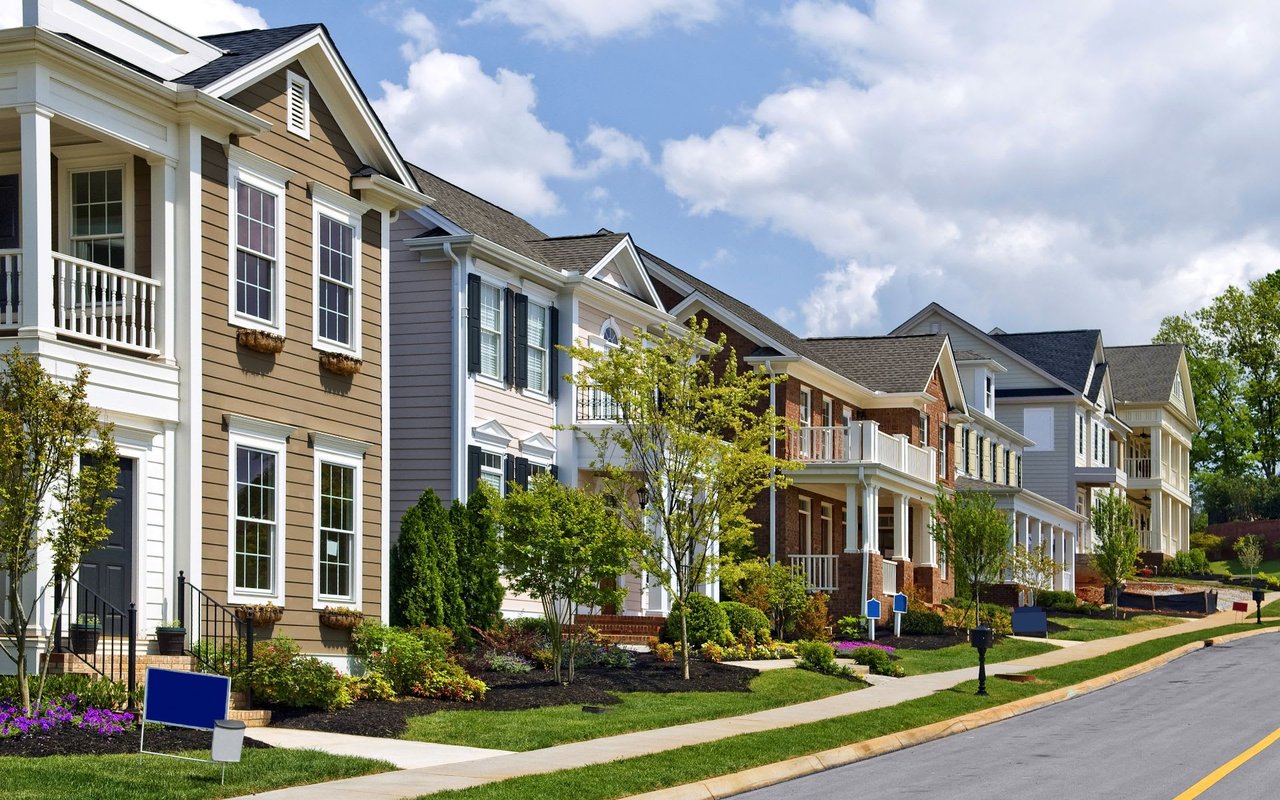
The Midtown Garden District is a residential area within Midtown known for its established streets, historic homes, and neighborhood character.
Located near portions of Piedmont Avenue, the district offers a different atmosphere from Midtown's larger commercial corridors.
Buyers exploring this area may encounter:
- Historic residential architecture
- Smaller multifamily buildings
- Tree-lined streets
- Neighborhood sidewalks
- Established residential blocks
- Convenient access to nearby commercial areas
For buyers who appreciate Midtown's location but prefer a more residential setting, the streets surrounding Piedmont Avenue may be worth exploring.
However, housing types and availability vary by block.
5. Restaurants and Neighborhood Dining
Living along Piedmont Avenue places residents near a variety of dining destinations throughout Midtown.
Depending on the building's location, residents may be able to walk to cafés, casual restaurants, neighborhood bars, and other dining options.
The surrounding Midtown area also provides access to restaurants along 10th Street, 12th Street, Peachtree Street, and nearby commercial corridors.
For residents who enjoy dining out, this variety can make everyday life more convenient.
Potential dining experiences include:
- Morning coffee
- Weekend brunch
- Casual lunches
- Neighborhood dinners
- Outdoor dining
- Meeting friends after work
Restaurant availability and operating hours change over time, so buyers should explore the immediate area around a prospective residence.
6. How Walkable Is Piedmont Avenue?
Walkability is one of the primary reasons buyers consider Midtown.
Many portions of Piedmont Avenue provide convenient pedestrian connections to parks, restaurants, residential streets, and other neighborhood destinations.
Depending on the location, residents may be able to walk to:
- Piedmont Park
- Restaurants and cafés
- Fitness studios
- Neighborhood retail
- Midtown's commercial district
- Nearby residential neighborhoods
- Cultural attractions
- Public transportation connections
However, the pedestrian experience varies.
Traffic volumes, intersections, sidewalk conditions, and crossing distances can affect how comfortable a route feels.
Buyers should walk the surrounding blocks before purchasing.
A location that appears convenient on a map may feel different during a busy weekday or weekend event.
7. Can You Live on Piedmont Avenue Without a Car?
For some residents, living without a car or using one less frequently may be practical.
Midtown offers a combination of walkable destinations, public transportation, and rideshare services.
However, whether a car-free lifestyle works depends on individual needs.
Consider:
- Where you work
- How frequently you travel outside Midtown
- Access to grocery shopping
- Distance to MARTA
- Medical appointments
- Transportation preferences
- Building parking arrangements
Some buyers may find that Piedmont Avenue allows them to reduce their reliance on a vehicle.
Others may still prefer a car for convenience.
Related reading: Can You Live in Midtown Atlanta Without a Car?
8. MARTA Access From Piedmont Avenue
Midtown is served by several MARTA rail stations, including North Avenue, Midtown, and Arts Center.
However, these stations are located west of much of Piedmont Avenue's residential corridor.
As a result, walking distance to rail service varies by location.
Residents closer to 10th Street may find the Midtown station convenient, while those farther north or south may prefer other routes or transportation options.
MARTA can provide connections to Downtown Atlanta, Buckhead, and Hartsfield-Jackson Atlanta International Airport through the broader rail system.
Buyers who plan to use public transportation regularly should evaluate the actual walking route and travel time from their building.
9. Access to the Atlanta BeltLine
The Atlanta BeltLine Eastside Trail is a major recreational destination for residents of Intown Atlanta.
Although the trail does not run directly along most of Piedmont Avenue in Midtown, it can be reached through nearby streets and connecting routes.
For buyers who enjoy walking, running, or cycling, BeltLine access may be an important consideration.
However, the distance from a Piedmont Avenue residence to the Eastside Trail varies.
Some locations may be more convenient for daily BeltLine use than others.
Buyers should evaluate the actual route rather than assuming that all Midtown residences offer equally convenient access.
10. What Types of Homes Are Available Along Piedmont Avenue?
Piedmont Avenue and the surrounding Midtown streets offer a variety of residential options.
Depending on the location, buyers may find:
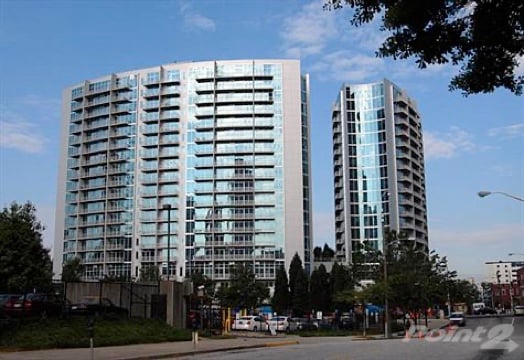
- High-rise condominiums
- Mid-rise condominium buildings
- Traditional condominium residences
- One-bedroom and two-bedroom units
- Larger condominium floor plans
- Historic homes on nearby residential streets
- Smaller multifamily properties
- Residences with balconies or terraces
The housing mix changes as Piedmont Avenue passes through different sections of Midtown.
Buyers should evaluate specific buildings and surrounding blocks to determine which setting best matches their lifestyle.
11. Condo Living Along Piedmont Avenue
For condominium buyers, Piedmont Avenue can offer an appealing combination of location and urban convenience.
Some residences provide views of the surrounding city, while others overlook residential streets or nearby green spaces.
Building amenities may include:
- Controlled access
- Fitness facilities
- Swimming pools
- Resident lounges
- Parking garages
- Outdoor gathering areas
- Concierge or management services
However, amenities vary significantly by building.
Buyers should compare HOA fees, financial condition, maintenance history, and ownership restrictions before making a decision.
12. What About Mayfair Renaissance and Nearby Midtown Condos?
One of Midtown's established condominium communities is Mayfair Renaissance, located at 195 14th Street NE.
Although the building is not directly on Piedmont Avenue, its location near 14th Street places residents within reach of Piedmont Park, Colony Square, and Midtown's cultural attractions.
For buyers considering this part of Midtown, Mayfair Renaissance illustrates the appeal of condominium living near both residential and commercial destinations.
Depending on the residence, buyers may find views toward Piedmont Park, the Midtown skyline, or surrounding neighborhoods.
As with any condominium building, buyers should evaluate the specific unit's condition, floor level, parking, HOA fees, and available association information.
Nearby condominium buildings may offer different combinations of amenities, floor plans, and ownership costs.
13. Piedmont Avenue vs. Peachtree Street
Two of Midtown's recognizable north-south corridors are Piedmont Avenue and Peachtree Street.
Although both provide access to urban amenities, they offer somewhat different experiences.
Feature | Piedmont Avenue | Peachtree Street |
|---|---|---|
General character | Mix of residential and urban activity | Major commercial and cultural corridor |
Piedmont Park access | Convenient from many northern Midtown locations | Accessible from portions of the corridor |
Cultural institutions | Accessible through surrounding Midtown streets | Several major institutions located directly along the corridor |
Residential setting | Connections to established residential streets | Greater concentration of major commercial destinations |
MARTA access | Varies; stations generally farther west | Convenient to stations along the broader corridor |
Traffic | Active city street | Major urban thoroughfare |
Neither corridor is universally better.
Buyers who prioritize immediate access to cultural institutions and major commercial destinations may prefer Peachtree Street.
Those who value proximity to Piedmont Park and nearby residential streets may find Piedmont Avenue particularly appealing.
Related reading: A Guide to Living on Peachtree Street in Midtown.
14. Piedmont Avenue vs. Juniper Street
Juniper Street is another important Midtown corridor.
Located west of Piedmont Avenue through much of Midtown, Juniper connects residential and commercial areas.
Depending on the block, Juniper Street may provide a different balance of condominium buildings, restaurants, traffic activity, and residential character.
For buyers deciding between Piedmont Avenue and Juniper Street, important considerations include:
- Walking distance to Piedmont Park
- Building amenities
- Street noise
- Parking
- Floor plans
- Views
- Proximity to restaurants
- HOA fees
The best choice depends on the specific residence and the buyer's priorities.
15. Traffic and Street Noise on Piedmont Avenue
Piedmont Avenue is an active transportation corridor.
Traffic levels vary by time of day, intersection, and surrounding activity.
Buyers considering a condominium directly on the street should evaluate potential noise from:
- Vehicle traffic
- Emergency vehicles
- Construction
- Nearby businesses
- Pedestrian activity
- Neighborhood events
Noise levels can vary considerably between units in the same building.
A residence facing Piedmont Avenue may have a different sound environment from one facing a courtyard or side street.
Floor level, window construction, and building orientation also matter.
Buyers who are sensitive to noise should visit at different times of day.
16. How Important Are Views?
Views can be an important part of condominium living in Midtown.
Depending on the building and unit orientation, residences along or near Piedmont Avenue may offer views of:
- The Midtown skyline
- Nearby residential neighborhoods
- Piedmont Park
- Tree-lined streets
- Surrounding high-rise buildings
However, view quality varies significantly.
A higher-floor residence may have a broad outlook, while a lower-floor unit may face neighboring structures.
Buyers should also consider whether nearby development could affect existing views.
Related reading: How Much Is a Skyline View Worth in an Atlanta Condo?.
17. Natural Light and Directional Exposure
Natural light can influence how a condominium feels and how buyers perceive its appeal.
East-facing residences generally receive more morning sunlight.
West-facing residences often receive stronger afternoon sunlight and may offer sunset views.
North-facing units typically receive softer indirect light, while south-facing units may receive substantial sunlight throughout the year.
However, surrounding buildings and window placement affect actual lighting conditions.
Buyers should evaluate natural light during showings rather than relying solely on listing photographs.
Related reading: How Natural Light Affects Condo Buyer Demand.
18. Balcony or No Balcony?
Private outdoor space can be particularly appealing for buyers who enjoy spending time outside without maintaining a yard.
Some Midtown condominiums offer balconies or terraces with views of the skyline or surrounding neighborhoods.
However, outdoor spaces vary in size and functionality.
Buyers should consider:
- Balcony dimensions
- Usable seating space
- Privacy
- Sun exposure
- Wind
- Street noise
- Building restrictions
A condominium without a balcony may still offer excellent value if it provides a better floor plan, larger interior rooms, or desirable shared outdoor amenities.
Related reading: Balcony or No Balcony: How Outdoor Space Affects Condo Value.
19. Parking Along Piedmont Avenue
Parking is an important consideration for buyers who plan to keep a vehicle.
Condominium parking arrangements vary by building.
Buyers should confirm:
- Number of included spaces
- Whether spaces are deeded, assigned, or limited common elements
- Covered vs. uncovered parking
- Guest parking availability
- Garage access
- Electric vehicle charging options
- Parking transfer restrictions
Parking can influence both daily convenience and resale appeal.
Buyers should verify the rights associated with the parking spaces rather than relying solely on marketing descriptions.
20. HOA Fees and Building Financial Health
For condominium buyers, monthly HOA assessments are an important part of ownership costs.
However, the amount of the assessment is only one consideration.
Buyers should understand what the fees cover and how the association manages its finances.
Potential expenses include:
- Building maintenance
- Insurance
- Management
- Utilities
- Shared amenities
- Reserve contributions
- Security-related services
Buyers should also review available reserve information and ask about significant completed or anticipated capital projects.
A building with relatively low monthly assessments may still face future repair expenses.
Likewise, higher assessments may reflect extensive amenities or substantial reserve contributions.
21. What Should Buyers Know About Older Midtown Condo Buildings?
Older condominium buildings may require major capital improvements as their systems age.
Potential projects include:
- Elevator modernization
- Exterior repairs
- Roof replacement
- Plumbing infrastructure upgrades
- Parking garage repairs
- Window replacement
- Mechanical equipment upgrades
However, age alone does not determine condition.
An established building with consistent maintenance and responsible financial planning may offer a strong ownership experience.
Buyers should evaluate the association's maintenance history and available financial information.
Related reading: What Happens When a Condo Building Needs a Major Repair?.
22. Is Piedmont Avenue a Good Fit for Downsizers?
Piedmont Avenue may appeal to buyers transitioning from larger detached homes.
Condominium living can provide an opportunity to reduce exterior maintenance responsibilities while remaining close to parks, restaurants, and neighborhood amenities.
Potential advantages include:
- Single-level living
- Elevator access
- Convenient access to Piedmont Park
- Reduced exterior maintenance responsibilities
- Walkable destinations
- Opportunities for a lock-and-leave lifestyle
However, downsizers should consider storage, parking, floor-plan functionality, guest accommodations, and HOA fees.
Buyers moving from large homes should also evaluate whether the residence can comfortably accommodate their furniture and daily routines.
23. Is Piedmont Avenue a Good Fit for Dog Owners?
For dog owners, proximity to Piedmont Park can be an attractive advantage.
The park offers walking paths and designated off-leash dog areas.
However, buyers should not assume that every condominium building has the same pet policies.
Association rules may address:
- Number of pets
- Pet registration
- Weight or other restrictions
- Use of common areas
- Elevator procedures
- Pet-related fees
Buyers should review the actual governing documents before purchasing.
Related reading: What Makes a Condo Truly Pet-Friendly?.
24. Is Piedmont Avenue Convenient for Frequent Travelers?
Midtown condominium living can appeal to residents who travel regularly.
Reduced exterior maintenance responsibilities and access to transportation options may make ownership more convenient.
However, travel convenience depends on the building's location and amenities.
Frequent travelers may want to evaluate:
- Access to MARTA
- Building security procedures
- Package management
- Guest access
- Parking arrangements
- Maintenance responsibilities
- Rules governing extended absences
Some full-service condominium buildings offer amenities that may be particularly attractive to frequent travelers.
25. How New Development Can Affect Piedmont Avenue Condos
Midtown continues to evolve through new construction and redevelopment.
Nearby development can affect:
- Views
- Natural light
- Traffic patterns
- Construction noise
- Pedestrian activity
- Neighborhood retail options
Buyers who prioritize views or natural light should investigate nearby development opportunities.
However, the absence of a currently proposed project does not guarantee that surrounding conditions will remain unchanged.
View preservation is not automatically guaranteed.
26. What Makes a Piedmont Avenue Condo Easy to Resell?
Resale appeal depends on a combination of property characteristics and market conditions.
Features that may influence buyer demand include:
- Convenient location
- Functional floor plans
- Natural light
- Attractive views
- Updated interiors
- Parking
- Outdoor space
- Reasonable ownership costs
- Well-maintained common areas
- Strong association financial management
However, no single feature guarantees appreciation or a quick sale.
Buyers should evaluate comparable sales and the building's overall financial condition.
27. Questions to Ask Before Buying on Piedmont Avenue
- How close is the residence to Piedmont Park?
- What is the most convenient park entrance?
- How walkable is the surrounding block?
- How much street noise reaches the residence?
- Does the unit face Piedmont Avenue or another direction?
- What views does the unit offer?
- Could nearby development affect the view?
- How much natural light enters the residence?
- Is parking included?
- What amenities does the building offer?
- What do the HOA assessments cover?
- Are special assessments pending?
- What major repairs have been completed?
- Are rental restrictions important to my plans?
- Does the floor plan fit my long-term needs?
- How does the asking price compare with recent sales?
Frequently Asked Questions About Living on Piedmont Avenue
Is Piedmont Avenue a good place to live in Midtown Atlanta?
Piedmont Avenue can appeal to buyers who value access to Piedmont Park, walkable amenities, and a mix of urban and residential surroundings. The experience varies by block and building.
Is Piedmont Avenue close to Piedmont Park?
Many northern Midtown locations along Piedmont Avenue provide convenient access to the park. However, walking distances vary depending on the property and park entrance.
Are there condos on Piedmont Avenue in Midtown?
Yes. Piedmont Avenue and surrounding Midtown streets include condominium buildings with different floor plans, amenities, views, and ownership costs.
Is Piedmont Avenue walkable?
Many sections provide pedestrian access to parks, restaurants, and neighborhood destinations. Walkability varies by location, intersection, and intended destination.
Can you live on Piedmont Avenue without a car?
Some residents may find a car-free or car-light lifestyle practical. However, transportation needs depend on work, shopping, travel, and other daily routines.
Is Piedmont Avenue quieter than Peachtree Street?
Some sections may feel more residential, but Piedmont Avenue is still an active urban street. Noise levels vary by block, building orientation, and time of day.
Are Piedmont Avenue condos good for dog owners?
Proximity to Piedmont Park can be attractive for dog owners. However, buyers should review individual condominium pet policies before purchasing.
Are Piedmont Avenue condos good for downsizers?
They can be. Single-level living, elevator access, nearby amenities, and reduced exterior maintenance responsibilities may appeal to buyers transitioning from larger homes.
Do Piedmont Avenue condos have high HOA fees?
HOA fees vary by building. Buyers should compare the services included, reserve funding, maintenance obligations, and overall association financial condition.
Do Piedmont Avenue condos hold their value?
Resale performance depends on location, building condition, floor plan, views, HOA fees, financing eligibility, and market conditions. No location guarantees appreciation.
Final Thoughts: Is Piedmont Avenue Right for You?
Piedmont Avenue offers a distinctive Midtown Atlanta living experience.
Its proximity to Piedmont Park, neighborhood restaurants, established residential streets, and the broader Midtown district creates an appealing combination of urban convenience and outdoor access.
For some buyers, the opportunity to walk to the park regularly is the defining advantage.
Others may appreciate the variety of condominium options, nearby dining, and connections to surrounding Intown neighborhoods.
However, buyers should also consider traffic, street noise, parking, building finances, and the differences between individual blocks.
The right Piedmont Avenue residence is one that combines your preferred lifestyle with a functional floor plan, appropriate ownership costs, and strong long-term resale considerations.
At The Agency Atlanta – Intown Office, we specialize in Midtown condominium sales and help buyers understand the differences between buildings, floor plans, views, and neighborhood locations.
If you're considering buying or selling a condominium along Piedmont Avenue or elsewhere in Midtown, contact our team for guidance based on current market conditions and building-specific comparable sales.
This article is provided for general informational purposes. Building amenities, pricing, transportation options, association policies, and neighborhood conditions may change. Buyers should verify property-specific information before making real estate decisions.