What Happens When a Condo Building Needs a Major Repair?
Owning a condominium in Atlanta offers many advantages, particularly for buyers who appreciate high-rise living, convenient locations, and shared amenities. However, condominium ownership also comes with responsibilities that extend beyond the walls of an individual residence.
When a building needs a major repair, the financial and practical consequences can affect every owner.
Whether the issue involves replacing a roof, modernizing elevators, repairing exterior concrete, or addressing a significant plumbing problem, major condominium repairs can require substantial planning and funding.
For owners in Midtown and Buckhead high-rises, understanding how these projects are handled is an important part of protecting their investment.
When a condo building needs a major repair, the condominium association typically evaluates the problem, determines the appropriate scope of work, identifies available funding, and arranges for the project to be completed. The exact process depends on the governing documents, applicable laws, the nature of the repair, and the association's financial condition.
Here's what Atlanta condo owners, buyers, and sellers should know.
What Qualifies as a Major Condo Building Repair?
A major repair generally involves a significant building component, shared system, or common element that requires substantial maintenance, replacement, or restoration.
These projects are often more expensive and complicated than routine maintenance.
Common examples include:
- Roof replacement
- Elevator modernization
- Exterior concrete repairs
- Balcony and terrace restoration
- Parking garage structural repairs
- Window or curtain wall replacement
- Central plumbing system repairs
- Building-wide HVAC equipment replacement
- Fire protection and life safety system upgrades
- Waterproofing and drainage repairs
- Major electrical infrastructure upgrades
- Foundation or structural remediation
Not every expensive repair is automatically an association responsibility. The condominium declaration and other governing documents determine which components the association must maintain, repair, or replace and which obligations belong to individual owners.
1. How Does a Condo Association Discover a Major Repair Problem?
Major building issues can be identified in several ways.
Routine Inspections
Property managers, maintenance personnel, and contractors may identify deterioration during routine inspections.
For example, a building engineer may notice recurring water intrusion or signs of deterioration in a parking garage.
Reserve Studies
A reserve study evaluates major building components and estimates when they may require repair or replacement.
It can help an association anticipate future capital expenses and establish a funding strategy.
However, a reserve study is a planning tool, not a guarantee that every building problem will be discovered or that components will last until their estimated replacement dates.
Owner Complaints
Residents may report recurring leaks, elevator problems, unusual noises, or other maintenance concerns.
Repeated complaints involving the same system may indicate a larger building issue.
Professional Engineering Evaluations
Structural engineers and other specialists may be retained to investigate suspected problems.
For example, visible concrete deterioration may prompt an engineering assessment to determine the extent of damage and whether immediate safety measures are necessary.
Unexpected Failures
Some problems develop suddenly.
A major pipe failure, equipment breakdown, or storm-related incident may require emergency repairs before the association has time to complete its usual planning process.
2. What Happens After a Major Problem Is Identified?
Once a significant problem is discovered, the association generally needs to determine its cause, severity, and potential consequences.
Depending on the situation, the process may involve:
- Documenting the reported condition
- Arranging inspections
- Hiring qualified engineers or contractors
- Determining whether immediate safety measures are necessary
- Evaluating repair or replacement options
- Obtaining estimates or competitive bids
- Reviewing available reserve funds
- Determining whether additional funding is needed
- Approving the project through the appropriate process
- Communicating the project to owners
- Scheduling and overseeing construction
Emergency situations may require the association to act more quickly.
The board's authority and any required owner approvals depend on the condominium's governing documents and applicable Georgia law.
3. Who Decides Whether a Major Repair Is Necessary?
The condominium association's board of directors generally plays a central role in decisions involving common-element repairs and building maintenance.
However, the board may rely on recommendations from:
- Property management companies
- Building engineers
- Structural engineers
- Architects
- Specialized contractors
- Insurance professionals
- Legal counsel
The board may have authority to approve certain projects without a vote of the membership.
Other decisions, particularly those involving certain expenditures, amendments, or financing arrangements, may require additional approval under the governing documents or applicable law.
Owners should not assume that every major repair requires a community-wide vote.
Similarly, they should not assume that the board has unlimited authority to approve every project or funding arrangement.
4. How Are Major Condo Repairs Paid For?
Major repairs can be funded through several sources.
The most common include reserve funds, operating funds, special assessments, insurance proceeds, and association borrowing.
The appropriate funding method depends on the type of repair, available resources, insurance coverage, and the association's legal authority.
Reserve Funds
Many condominium associations maintain reserve accounts intended to help pay for future capital repairs and replacements.
For example, an association may accumulate funds over time to prepare for elevator modernization or roof replacement.
When the repair becomes necessary, the association may use available reserves to cover some or all of the expense.
However, reserve balances may be insufficient if the project costs more than anticipated or if the association has not accumulated adequate funds.
Operating Funds
Some repairs may be paid through the association's operating budget.
This is more practical for smaller projects or expenses that can be absorbed without compromising other obligations.
Special Assessments
If available funds are insufficient, the association may levy a special assessment, subject to the governing documents and applicable law.
A special assessment is an additional charge to owners beyond their regular assessments.
It may be collected as a lump sum or through installments, depending on the approved arrangement.
Association Loans
Some condominium associations obtain loans to finance major repairs.
The association may repay the loan through future assessments or other permitted funding arrangements.
Borrowing can spread costs over time, but it also introduces interest expenses and repayment obligations.
Insurance Proceeds
If damage results from a covered event, insurance may pay some of the repair costs.
However, ordinary deterioration, deferred maintenance, and wear and tear are generally not covered simply because the repair is expensive.
Coverage depends on the policy, cause of loss, exclusions, deductibles, and other terms.
5. What Happens If the Condo Association Doesn't Have Enough Money?
An underfunded association may face difficult decisions when major repairs become necessary.
For example, imagine an Atlanta high-rise requires $2 million in exterior repairs but has only $600,000 available in reserves.
The association must determine how to address the remaining funding requirement.
Potential options may include:
- Using available reserve funds
- Levying a special assessment
- Obtaining an association loan
- Phasing the project when appropriate
- Using other legally available funds
Delaying necessary repairs can sometimes increase the eventual cost.
For example, a relatively limited waterproofing problem may develop into more extensive damage if water intrusion continues.
However, associations must also balance urgency, funding availability, and their legal obligations.
Related reading: What Happens When a Condo HOA Is Underfunded?
6. How Does a Special Assessment Work?
A special assessment is a charge imposed by a condominium association to fund expenses not adequately covered by existing resources.
For example, suppose a hypothetical condominium building has 100 units and needs $1 million in repairs.
If the association must collect the entire amount through a special assessment and every unit has an equal assessment obligation, the calculation would be:
Item | Amount |
|---|---|
Total repair cost | $1,000,000 |
Number of units | 100 |
Hypothetical assessment per unit | $10,000 |
However, condominium assessments are not always allocated equally.
Many buildings allocate common expenses according to ownership percentages or other formulas established in the condominium declaration.
As a result, larger units may have different assessment obligations than smaller units.
The association's governing documents determine the applicable allocation method.
Owners should never assume that a special assessment will be divided equally among all residences.
7. Can Condo Owners Be Required to Pay a Special Assessment?
Yes. When a special assessment is properly authorized and imposed under the governing documents and applicable law, owners may be obligated to pay it.
Owners generally cannot avoid an assessment simply because they disagree with the project or do not personally use the affected amenity.
For example, a ground-floor resident may still share responsibility for elevator expenses if those costs are common expenses allocated under the condominium documents.
Failure to pay required assessments can result in collection activity and other consequences permitted by law and the governing documents.
Owners should review assessment notices carefully, including payment deadlines and available payment arrangements.
8. Can a Condo Association Borrow Money for Repairs?
Potentially. Association borrowing may be an option when major repairs exceed available funds.
For example, a condominium association may seek financing for an elevator modernization project or extensive exterior restoration.
Borrowing can reduce the need for a large immediate assessment, but it does not eliminate the cost.
Loan repayment may affect future assessments and the association's financial flexibility.
Important considerations include:
- Loan principal
- Interest rate
- Repayment period
- Required collateral or security
- Assessment implications
- Owner approval requirements
- Existing association debt
Owners should understand how the borrowing arrangement affects the association's long-term finances.
9. What Happens During Elevator Modernization?
Elevator modernization is a major capital project that can significantly affect daily life in a high-rise condominium.
Depending on the scope, the project may involve replacing or upgrading:
- Elevator controls
- Motors and drive systems
- Door equipment
- Cab interiors
- Safety systems
- Electrical components
During construction, one or more elevators may be temporarily unavailable.
In buildings with limited elevator capacity, this can create longer wait times and inconvenience for residents.
For buyers considering an older Atlanta high-rise, it is important to ask whether elevator modernization has recently been completed or is anticipated.
10. What Happens When a Condo Building Needs Structural Repairs?
Structural repairs can be among the most serious and expensive condominium projects.
Potential concerns include deterioration involving:
- Parking garages
- Concrete slabs
- Columns
- Balconies
- Load-bearing components
- Foundations
When structural concerns are identified, the association may retain a qualified engineer to evaluate the condition.
The engineer may recommend further testing, temporary restrictions, stabilization, or repairs.
Depending on the severity of the issue, portions of the building may need to be closed or access restricted.
Owners should take official safety notices seriously and follow instructions from qualified professionals and authorities.
11. Can Residents Be Required to Leave During Repairs?
In some circumstances, yes.
Major repairs may require temporary relocation or restricted access to certain areas.
For example:
- Extensive plumbing repairs may require temporary water shutoffs.
- Structural work may require closing portions of a parking garage.
- Balcony restoration may prevent residents from using outdoor space.
- Major building-system work may interrupt certain services.
- Serious safety concerns may require temporary evacuation.
Whether residents must relocate depends on the nature of the project and applicable safety requirements.
Responsibility for temporary housing or related expenses depends on the circumstances, governing documents, insurance coverage, and applicable law.
12. How Long Do Major Condo Repairs Take?
Project timelines vary considerably.
Some repairs can be completed within weeks, while extensive modernization or structural projects may take months or longer.
Factors affecting the schedule include:
- Project complexity
- Engineering requirements
- Permitting
- Contractor availability
- Material lead times
- Weather
- Funding approval
- Unexpected conditions discovered during construction
Owners should recognize that initial timelines are estimates and may change.
Associations should communicate material schedule changes and provide updates when possible.
13. How Major Repairs Affect HOA Fees
Major repairs can influence condominium ownership costs in several ways.
If the association uses reserve funds, future budgets may need to increase reserve contributions to replenish those accounts.
If the association obtains a loan, regular assessments may need to support debt repayment.
If the repair reveals ongoing maintenance needs, operating expenses may increase.
As a result, owners may experience:
- Higher monthly assessments
- Special assessments
- Temporary additional charges
- Changes to reserve contributions
However, not every major repair automatically results in higher HOA fees.
The financial impact depends on the association's funding strategy and available resources.
14. Can Major Repairs Affect Condo Property Values?
Yes. Major repairs can influence buyer demand and resale value.
However, the effect depends on the type of project, the association's financial condition, and how the repairs are funded.
A well-planned project that addresses important maintenance needs may improve the building's long-term appeal.
For example, completed elevator modernization or exterior restoration may reassure buyers that the association is maintaining the property.
On the other hand, unresolved structural concerns, substantial special assessments, or ongoing construction may discourage some buyers.
The relationship between repairs and value is not always straightforward.
A building with a major repair project may still be attractive if the issue is being addressed responsibly and the financial obligations are clearly understood.
15. How Repairs Can Affect Condo Financing
Major building repairs may affect mortgage financing, particularly when they involve structural integrity, safety, deferred maintenance, or significant financial obligations.
Mortgage lenders and investors may review condominium project information before approving certain loans.
Depending on the loan program, relevant considerations may include:
- Critical repairs
- Structural or safety concerns
- Special assessments
- Pending litigation
- Insurance coverage
- Reserve funding
- Association financial condition
Some condominium projects may not meet the eligibility requirements for particular conventional mortgage programs.
This can reduce the pool of buyers who can obtain certain types of financing.
However, financing eligibility depends on the lender, loan program, and current underwriting requirements.
Buyers should consult their lender early when purchasing in a building with known major repairs.
16. What Is a Non-Warrantable Condo?
A non-warrantable condominium generally refers to a project that does not meet certain eligibility requirements for conventional mortgage financing through major secondary-market programs.
Major deferred maintenance, critical repairs, or other project-level concerns may contribute to financing restrictions.
However, not every building undergoing repairs is automatically non-warrantable.
Eligibility depends on the specific circumstances and applicable lending standards.
Some buyers may have alternative financing options, but those options can involve different rates, down payments, and qualification requirements.
Understanding the building's financing status is especially important before submitting an offer.
17. What Happens If You Want to Sell During Major Repairs?
Selling a condominium while the building is undergoing significant repairs can require additional preparation.
Buyers may have questions about:
- The nature of the repairs
- The expected completion date
- Special assessments
- Potential future costs
- Construction disruptions
- Financing eligibility
- Association finances
Sellers should work with their real estate professional to gather accurate information and comply with applicable disclosure obligations.
Providing clear documentation can help buyers evaluate the situation.
However, sellers should avoid guaranteeing project completion dates or future costs unless those representations are properly supported.
18. Who Pays a Special Assessment When a Condo Is Sold?
When a condominium is sold while a special assessment is pending or outstanding, responsibility for payment depends on the purchase agreement, the assessment's status, the governing documents, and applicable law.
For example, the parties may negotiate whether the seller pays an assessment at closing or whether the buyer assumes specified future payments.
However, the association's rights may not necessarily be altered by a private agreement between buyer and seller.
Buyers and sellers should obtain accurate assessment information and ensure that the purchase contract clearly addresses responsibility.
Closing attorneys can help determine the amounts due and the appropriate treatment at closing.
19. Should You Buy a Condo in a Building Undergoing Major Repairs?
Not necessarily a bad idea.
A major repair project does not automatically mean a condominium building is poorly managed.
All buildings require maintenance, and responsible associations plan for major capital projects.
The more important questions are:
- What is being repaired?
- Why is the repair necessary?
- Has the problem been professionally evaluated?
- Is the scope of work clearly defined?
- Has a qualified contractor been selected?
- How will the project be funded?
- Are additional assessments possible?
- Will financing be affected?
- What disruptions should residents expect?
- Are there other major deferred maintenance issues?
A building with a well-funded repair plan may present a different level of risk than one with unresolved problems and no clear funding strategy.
20. What Documents Should Buyers Review?
Buyers considering a condominium with significant maintenance concerns should request and review relevant association documents.
Important materials may include:
- Current operating budget
- Recent financial statements
- Reserve balances
- Reserve study, if available
- Board meeting minutes
- Owner meeting minutes
- Special assessment notices
- Engineering reports, when available
- Capital improvement plans
- Insurance information
- Pending litigation disclosures
- Relevant contractor proposals or project updates
Not every document will necessarily be available to a prospective buyer, and access may be subject to applicable rules and procedures.
Buyers should review the materials they receive carefully and seek professional assistance when evaluating technical or financial concerns.
21. Why Board Meeting Minutes Matter
Board meeting minutes can provide useful insight into how a condominium association identifies and addresses maintenance issues.
They may reveal discussions involving:
- Recurring water leaks
- Elevator reliability
- Roof problems
- Parking garage repairs
- Engineering evaluations
- Contractor proposals
- Reserve funding
- Potential special assessments
However, meeting minutes may not contain every detail of a project.
Buyers should avoid assuming that the absence of a problem from meeting minutes proves that no issue exists.
Minutes are most useful when considered alongside financial statements, reserve studies, and other available documents.
22. How Reserve Studies Help Prevent Financial Surprises
A reserve study is an important planning tool for condominium associations.
It generally identifies major components, estimates their remaining useful lives, and projects future repair or replacement costs.
For example, a reserve study may anticipate:
- Roof replacement
- Elevator modernization
- Exterior painting
- Parking garage repairs
- Pool equipment replacement
- Mechanical system upgrades
The association can use this information to develop a funding strategy.
However, a reserve study is only useful when its assumptions remain relevant and the association considers its recommendations.
Unexpected failures, inflation, changing construction costs, and deferred maintenance can create expenses beyond the original projections.
23. What Is the Difference Between Routine Maintenance and Deferred Maintenance?
Routine maintenance involves regular work intended to keep building systems functioning properly.
Deferred maintenance occurs when necessary maintenance or repairs are postponed.
Examples may include:
- Delaying roof repairs despite recurring leaks
- Postponing concrete restoration
- Ignoring repeated plumbing failures
- Failing to address deteriorating waterproofing
- Deferring elevator equipment replacement
Deferred maintenance can increase the likelihood of more extensive and expensive problems.
However, not every delayed project indicates mismanagement. Associations may face legitimate scheduling, permitting, or funding challenges.
The important distinction is whether the association has a reasonable plan for addressing known issues.
24. Major Repairs in Older Atlanta High-Rises
Older condominium buildings in Midtown and Buckhead may face capital projects involving systems that have reached or are approaching the end of their expected service lives.
Potential projects include:
- Elevator modernization
- Window replacement
- Plumbing infrastructure upgrades
- Exterior restoration
- Garage waterproofing
- Mechanical equipment replacement
However, age alone does not determine a building's condition.
An older condominium with a strong maintenance history and adequate reserves may be better positioned than a newer building with unresolved construction or maintenance problems.
Buyers should evaluate the actual condition and financial planning of each association.
25. Major Repairs in Midtown Atlanta Condos
Midtown Atlanta includes condominium buildings of different ages, architectural styles, and construction types.
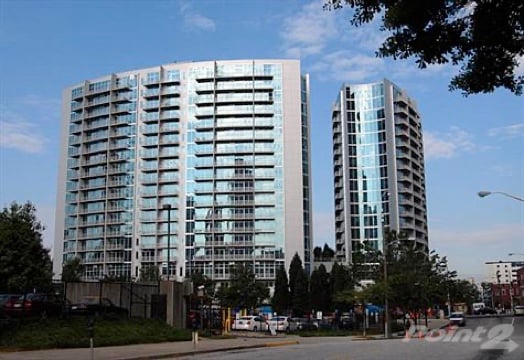
Some buildings feature extensive glass exteriors, shared parking structures, and sophisticated mechanical systems.
Major repairs may involve exterior components, elevators, waterproofing, or other shared infrastructure.
For buyers, the key is understanding how the association manages long-term maintenance.
Before purchasing a Midtown condominium, review the building's financial condition and ask about significant completed or anticipated projects.
Explore more about the neighborhood through our Midtown Atlanta real estate resources.
26. Major Repairs in Buckhead Luxury Condos
Buckhead's luxury condominium market includes buildings with extensive amenities and sophisticated shared systems.
These may include:
- Multiple elevators
- Valet facilities
- Parking garages
- Swimming pools
- Landscaped grounds
- Fitness centers
- Concierge areas
- Large terraces
Maintaining these facilities can require substantial capital expenditures.
However, luxury buildings may also have different assessment structures and funding strategies.
Buyers should evaluate whether the association's financial resources are appropriate for the property's maintenance obligations.
27. Can Major Repairs Actually Improve Condo Values?
Potentially.
When a building completes necessary repairs or modernization projects, buyers may view the property more favorably.
For example, completed elevator modernization can improve reliability and the resident experience.
Exterior restoration may improve appearance and address water intrusion concerns.
Parking garage repairs may resolve important maintenance issues.
However, the financial benefit is not guaranteed.
Buyers may still consider the cost of assessments, remaining association debt, and other building conditions.
Major repairs should be evaluated as part of the building's overall financial and physical condition rather than assumed to produce a specific increase in property values.
28. How Sellers Can Prepare for Questions About Building Repairs
When selling a condominium in a building with known capital projects, preparation can help make the transaction more transparent.
Sellers should consider gathering:
- Current HOA fee information
- Special assessment notices
- Available project updates
- Relevant association communications
- Expected construction schedules
- Information about completed repairs
- Available financial documents
Providing accurate information can help buyers understand the project and evaluate their potential ownership costs.
Sellers should avoid making unsupported assurances about future assessments or project completion dates.
29. Questions Condo Owners Should Ask Their Association
If your condominium building announces a major repair project, consider asking:
- What problem has been identified?
- How was the problem discovered?
- Has a qualified professional evaluated it?
- Is there an immediate safety concern?
- What repair options were considered?
- What is the estimated total cost?
- How much money is available in reserves?
- Will a special assessment be required?
- Is association borrowing being considered?
- Will monthly assessments increase?
- What is the expected project timeline?
- Will residents lose access to amenities or parking?
- Could temporary relocation be necessary?
- Are additional repairs anticipated?
- How will owners receive updates?
Clear communication can help owners understand the financial and practical implications of the project.
30. Warning Signs That a Condo Building May Have Maintenance Problems
Buyers should be attentive to potential warning signs, including:
- Recurring water intrusion
- Frequent elevator outages
- Visible concrete deterioration
- Repeated plumbing failures
- Long-standing unresolved maintenance complaints
- Low reserves relative to anticipated expenses
- Repeated special assessments
- Major projects without clear funding plans
- Unresolved engineering recommendations
- Limited communication about significant repairs
These conditions do not automatically establish that a building is unsafe or poorly managed.
However, they may justify additional investigation before purchasing.
Frequently Asked Questions About Major Condo Repairs
Who pays when a condo building needs a major repair?
Repairs to common elements are generally funded through the association, using reserves, operating funds, special assessments, insurance proceeds, borrowing, or other available sources. The governing documents determine how expenses are allocated.
Can an HOA force owners to pay for major repairs?
When assessments are properly authorized under the governing documents and applicable law, owners may be required to pay their allocated share.
What happens if the condo association has insufficient reserves?
The association may need to consider special assessments, borrowing, or other funding arrangements. The available options depend on the governing documents and applicable law.
Can major repairs make a condo difficult to finance?
Yes. Certain structural, safety, maintenance, or financial concerns may affect condominium project eligibility for particular mortgage programs. Buyers should consult their lender.
Can a condo owner refuse to pay a special assessment?
Owners generally cannot disregard a properly imposed assessment simply because they disagree with it. Nonpayment can result in collection consequences under applicable law and the governing documents.
Can I sell my condo while major repairs are underway?
Yes, subject to the property's circumstances and applicable contractual obligations. However, buyers may have concerns about construction, assessments, financing, and future costs.
Does the seller or buyer pay a special assessment at closing?
Responsibility depends on the purchase agreement, governing documents, assessment status, and applicable law. The parties should address the obligation clearly before closing.
Are older condo buildings more likely to need major repairs?
Older buildings may have systems approaching replacement age, but actual maintenance needs depend on construction quality, prior repairs, and ongoing maintenance.
Can major repairs increase condo values?
Completed repairs may improve a building's appeal and address buyer concerns. However, any impact on value depends on market conditions, remaining financial obligations, and the building's overall condition.
Should I avoid buying a condo with a special assessment?
Not automatically. Buyers should evaluate why the assessment was imposed, what it funds, whether additional costs are expected, and how the project affects financing and long-term ownership expenses.
Final Thoughts: Major Repairs Are Part of Condo Ownership
Every condominium building requires maintenance, and major repairs are an inevitable part of long-term property ownership.
What matters most is how the association identifies problems, plans for future expenses, communicates with owners, and manages its financial obligations.
A building with a clearly defined repair project and adequate funding may be in a stronger position than one with unresolved maintenance concerns and limited financial planning.
For buyers, reviewing association finances, reserve studies, meeting minutes, and available engineering reports can provide valuable insight.
For sellers, understanding current projects and assessment obligations can help avoid unexpected complications during the transaction.
For existing owners, staying informed and participating in association governance can help protect the long-term condition of the property.
Major repairs do not automatically make a condominium a poor investment. The more important question is whether the building has a responsible and financially sustainable plan for maintaining its shared infrastructure.
If you're buying or selling a condominium in Midtown, Buckhead, or another Atlanta neighborhood, contact The Agency Atlanta – Intown Office. Our team specializes in Atlanta condominium sales and can help you evaluate building-specific financial information, maintenance concerns, special assessments, and comparable sales.
This article is provided for general informational purposes and does not constitute legal, engineering, insurance, lending, or financial advice. Condominium governing documents, maintenance responsibilities, assessment procedures, and financing requirements vary. Buyers and owners should consult qualified professionals when evaluating building-specific concerns.