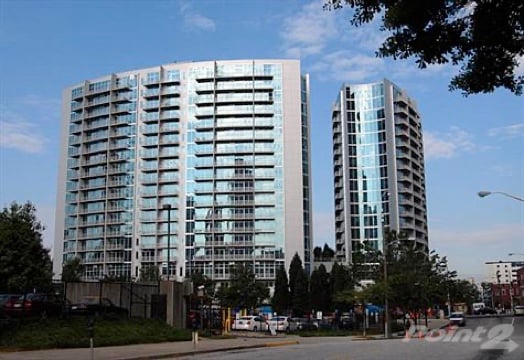
Buying a condominium in Midtown Atlanta is often as much about lifestyle as it is about real estate. Walkable restaurants, Piedmont Park, cultural attractions, skyline views, and convenient access to Atlanta's major employment centers make Midtown an appealing place to live.
But whether you're purchasing your first condominium, downsizing from a larger home, or investing in a second residence, there's another important question to consider: How easy will this condo be to sell when you're ready to move?
Not every Midtown condominium performs the same way when it returns to the market. Two units in the same building can attract very different levels of buyer interest, even when they have similar square footage and bedroom counts.
Differences in floor plans, natural light, views, parking, renovations, and monthly ownership costs can influence both marketability and resale value.
The condominium building itself matters just as much. HOA finances, maintenance history, insurance, rental restrictions, and financing eligibility can affect how many buyers are able or willing to purchase a residence.
A Midtown condo that's easy to resell typically combines a desirable location, functional living space, attractive features, manageable ownership costs, and a well-maintained building.
Here's what buyers and sellers should understand about the features that influence condominium resale appeal in Midtown Atlanta.
1. Location Within Midtown Matters
Midtown is a relatively compact neighborhood, but the lifestyle can vary considerably from one block to another.
Some condominium buildings are located near Piedmont Park, while others are closer to Midtown's business district, cultural institutions, restaurants, or MARTA stations.
For resale purposes, a convenient location can help a condominium appeal to a wider range of prospective buyers.
Near Piedmont Park
Condominiums within comfortable walking distance of Piedmont Park may appeal to buyers who prioritize outdoor recreation, dog walking, and access to green space.
For some downsizers, the park can provide an attractive alternative to maintaining a private yard.
Near Colony Square and 14th Street
The area surrounding Colony Square offers access to restaurants, cultural attractions, and Midtown's northern commercial district.
Buyers who enjoy the High Museum of Art, Atlanta Symphony Hall, and nearby dining destinations may find this location particularly appealing.
Near MARTA
Condominiums near the Midtown, Arts Center, and North Avenue MARTA stations may attract buyers who value public transportation and airport access.
This can be particularly relevant for frequent travelers and residents who prefer a car-light lifestyle.
Near Residential Streets
Other buyers may prefer locations near Midtown's established residential streets, including portions of Piedmont Avenue and the Midtown Garden District.
These settings may appeal to buyers seeking a different balance between urban convenience and residential character.
Resale takeaway: A desirable location is one that provides convenient access to the destinations and amenities buyers actually use.
2. Functional Floor Plans Often Matter More Than Square Footage
One of the most important characteristics of a resale-friendly condominium is a functional floor plan.
Buyers generally want living spaces that are easy to furnish and accommodate everyday activities.
A condominium with slightly less square footage may be more appealing than a larger unit with awkward room dimensions or inefficient circulation.
Features that can improve floor-plan appeal include:
- Clearly defined living and dining areas
- Bedrooms that accommodate standard furniture
- Practical kitchen layouts
- Adequate closet space
- Convenient bathroom access
- Flexible space for a home office
- Minimal wasted hallway space
- Comfortable furniture placement
For example, consider two hypothetical 1,200-square-foot condominiums.
One has a spacious living room, two functional bedrooms, and a well-positioned kitchen. The other has an unusually long hallway, limited furniture walls, and a second bedroom that's difficult to use.
Although both residences have identical square footage, the first may appeal to more buyers because its layout is easier to live in.
When evaluating a condominium, buyers should consider whether the floor plan will remain attractive to future purchasers.
3. Two-Bedroom Condos Can Offer Greater Flexibility
Bedroom count is another important consideration.
One-bedroom condominiums may appeal to buyers seeking a smaller residence, a second home, or a convenient Midtown location.
Two-bedroom condominiums can accommodate additional needs, including:
- Overnight guests
- Home offices
- Roommates
- Hobbies
- Flexible living arrangements
This flexibility may broaden the pool of potential buyers.
However, a two-bedroom condominium is not automatically easier to resell than a one-bedroom residence.
Price, layout, condition, building amenities, and monthly ownership costs all influence demand.
A well-designed one-bedroom condominium in a desirable location may outperform a poorly configured two-bedroom unit.
Resale takeaway: Prioritize functional bedrooms and flexible living space rather than bedroom count alone.
4. Natural Light Can Make a Condo More Appealing
Natural light influences how a condominium looks and feels during a showing.
Bright living spaces can make rooms feel more open and welcoming, while limited daylight may make an otherwise attractive residence feel less inviting.
Factors affecting natural light include:
- Window size
- Window placement
- Directional exposure
- Floor level
- Nearby buildings
- Balcony overhangs
- Interior finishes
In Midtown's high-rise environment, neighboring buildings can significantly influence the amount of sunlight entering a residence.
A higher-floor unit may receive more unobstructed daylight, but that isn't always the case.
Buyers should evaluate natural light during an in-person showing and consider whether surrounding development could affect it in the future.
Related reading: How Natural Light Affects Condo Buyer Demand.
5. Views Can Influence Buyer Demand
Midtown's skyline is one of the neighborhood's defining characteristics.
Depending on the building, floor level, and orientation, condominiums may offer views of:
- The Midtown skyline
- Downtown Atlanta
- Piedmont Park
- Stone Mountain in the distance
- Surrounding residential neighborhoods
- Tree-lined streets
For some buyers, a distinctive view is an important reason to choose one condominium over another.
However, not every view commands the same premium.
A broad, unobstructed skyline view may be more desirable than a limited view between neighboring buildings.
Park views may appeal to a different buyer than dramatic city views.
The value of a view should be evaluated using comparable sales within the building whenever possible.
Buyers should also investigate nearby development that could affect the outlook.
Related reading: How Much Is a Skyline View Worth in an Atlanta Condo?.
6. Parking Can Make a Significant Difference
Parking is an important consideration for many Midtown condominium buyers.
Although some residents rely heavily on walking, MARTA, or rideshare services, others need convenient parking for one or more vehicles.
When comparing condominiums, buyers should evaluate:
- Number of parking spaces
- Covered versus uncovered parking
- Assigned versus deeded spaces
- Side-by-side versus tandem parking
- Distance from parking to elevators
- Guest parking availability
- Garage access
- Electric vehicle charging options
Two side-by-side spaces may be particularly convenient for a household with two vehicles.
However, the value of parking depends on the building and the expectations of its typical buyers.
A residence with two parking spaces may be more competitive than an otherwise similar unit with one, but the premium should be supported by comparable sales.
Related reading: How Parking Spaces Affect Atlanta Condo Values.
7. Balconies and Private Outdoor Space Add Appeal
Private outdoor space is another feature that can influence condominium buyer demand.
For residents who enjoy morning coffee outside, entertaining, or simply stepping outdoors without leaving home, a balcony can be attractive.
However, balcony quality matters.
Consider:
- Usable dimensions
- Privacy
- Views
- Sun exposure
- Wind conditions
- Street noise
- Building restrictions
A small balcony that barely accommodates a chair may offer less practical value than a deeper terrace with room for seating.
Conversely, a condominium without a balcony may still be highly marketable if it offers a superior floor plan, attractive views, or convenient access to shared outdoor amenities.
Related reading: Balcony or No Balcony: How Outdoor Space Affects Condo Value.
8. Updated Kitchens and Bathrooms Can Improve Marketability
Interior condition plays a major role in how buyers respond to a condominium.
Many buyers compare the cost and inconvenience of renovating with the convenience of purchasing a move-in-ready residence.
Updates that may improve appeal include:
- Contemporary kitchen finishes
- Updated appliances
- Modern bathroom fixtures
- Well-maintained flooring
- Neutral paint colors
- Updated lighting
- Functional storage solutions
However, renovations do not always produce a dollar-for-dollar return.
For example, a seller who spends $60,000 renovating a kitchen should not assume the condominium will sell for $60,000 more.
The financial benefit depends on the building's price range, buyer expectations, and comparable sales.
For sellers, strategic improvements may be more effective than extensive renovations.
9. Neutral, Well-Maintained Interiors Appeal to More Buyers
Personal design preferences vary, but certain presentation choices can help buyers visualize themselves living in a residence.
Clean, well-maintained interiors with coordinated finishes often make a stronger first impression.
Before listing, sellers should consider:
- Repairing visible damage
- Addressing maintenance issues
- Refreshing worn paint
- Cleaning windows
- Reducing clutter
- Improving lighting
- Arranging furniture to emphasize room dimensions
These improvements can help buyers focus on the condominium's strongest features.
However, presentation alone cannot overcome an asking price that is inconsistent with market conditions.
10. Storage Matters More Than Many Buyers Expect
Condominium storage can be limited compared with detached homes.
Buyers moving from larger houses may be particularly concerned about where to store seasonal items, luggage, sports equipment, and household belongings.
Storage features that can improve appeal include:
- Walk-in closets
- Kitchen pantries
- Laundry storage
- Linen closets
- Built-in cabinetry
- Separate storage lockers
Some Midtown buildings offer additional storage units, but the rights associated with them vary.
Buyers should verify whether storage is deeded, assigned, leased, or otherwise controlled by the association.
Related reading: Why Condo Storage Units Matter More Than Buyers Think.
11. HOA Fees Influence Affordability and Resale Demand
Monthly condominium assessments can significantly affect a buyer's overall housing budget.
Two condominiums with similar purchase prices may have very different monthly ownership costs.
For example, consider two hypothetical residences:
Expense | Condo A | Condo B |
|---|---|---|
Purchase price | $450,000 | $450,000 |
Monthly HOA assessment | $500 | $950 |
Annual HOA assessments | $6,000 | $11,400 |
Condo B costs $5,400 more annually in HOA assessments.
However, this comparison does not establish which property offers better value.
The higher assessment may include utilities, concierge services, extensive amenities, or greater reserve contributions.
Buyers should evaluate what is included and whether the association's financial position supports its operating expenses.
Resale takeaway: Monthly ownership costs influence affordability, but HOA fees should be evaluated alongside services, maintenance responsibilities, and financial health.
12. A Financially Healthy Condo Association Is Essential
A condominium's resale potential depends partly on the financial condition of its homeowners association.
Even an attractive residence can face challenges if the building has significant financial or maintenance problems.
Important considerations include:
- Operating budgets
- Reserve balances
- Reserve studies
- Delinquent assessments
- Major capital projects
- Insurance coverage
- Pending litigation
- Special assessments
Buyers should review available association documents and consult qualified professionals when evaluating significant concerns.
A well-managed building with a history of maintaining its common elements may be more appealing to future buyers than one facing substantial unresolved issues.
13. Special Assessments Can Complicate a Sale
A special assessment is an additional charge that an association may impose to fund certain expenses beyond its regular operating budget.
Special assessments may be associated with projects such as:
- Elevator modernization
- Roof replacement
- Exterior repairs
- Parking garage restoration
- Mechanical system upgrades
- Major plumbing work
For sellers, a pending special assessment can create additional questions during negotiations.
Buyers may want to understand the project's scope, payment schedule, and whether additional expenses are anticipated.
The effect on resale value depends on the circumstances.
A completed, well-funded improvement may be viewed differently from an unresolved project with uncertain costs.
Related reading: What Happens When a Condo Building Needs a Major Repair?.
14. Financing Eligibility Can Affect the Buyer Pool
One factor that buyers sometimes overlook is whether a condominium project meets mortgage financing requirements.
Mortgage lenders may review the building's financial condition, insurance, litigation, deferred maintenance, and other project characteristics.
Some condominium projects may not qualify for certain conventional financing programs.
This can affect the number of buyers who are able to purchase in the building.
When fewer financing options are available, sellers may face a smaller pool of qualified purchasers.
Buyers should discuss condominium project eligibility with a knowledgeable mortgage lender early in the purchasing process.
Financing requirements can change, and approval of one loan does not guarantee approval of another.
15. Rental Restrictions Can Influence Resale Appeal
Midtown condominium buildings often have rules governing leasing.
Depending on the association, restrictions may include:
- Rental caps
- Minimum lease terms
- Waiting lists
- Lease approval requirements
- Short-term rental prohibitions
- Tenant registration procedures
These restrictions can influence which buyers are interested in a property.
Some owner-occupants may prefer buildings with more restrictive leasing policies.
Investors and buyers seeking future rental flexibility may prefer buildings that permit leasing under their intended circumstances.
However, greater rental flexibility does not automatically result in higher resale value.
The effect depends on buyer demand, financing considerations, and the building's overall characteristics.
Related reading: How Rental Caps Affect Condo Values.
16. Building Amenities Should Match Buyer Expectations
Midtown condominium buildings offer a wide range of amenities.
Depending on the property, these may include:
- Concierge services
- Fitness centers
- Swimming pools
- Resident lounges
- Guest parking
- Package rooms
- Outdoor terraces
- Pet facilities
- Controlled building access
Amenities can contribute to buyer appeal, particularly when they align with the expectations of the building's target market.
However, amenities also have operating and maintenance costs.
A building with extensive services may appeal to buyers seeking convenience, while a lower-amenity building may attract purchasers who prioritize different monthly expenses.
The most resale-friendly building is not necessarily the one with the longest amenity list.
It's the building whose amenities, condition, and ownership costs make sense for its market.
17. Elevator Reliability and Building Maintenance Matter
In a high-rise condominium, elevators are essential infrastructure.
Frequent outages or anticipated modernization projects can influence buyer perceptions.
Other important building components include:
- Roofs
- Windows
- Exterior walls
- Plumbing systems
- Parking garages
- Mechanical equipment
- Common-area interiors
Buyers should review available information about major completed repairs and anticipated capital projects.
However, building age alone does not determine maintenance quality.
An older building with consistent maintenance and responsible financial planning may compare favorably with a newer building facing unresolved issues.
18. Pet Policies Can Affect Buyer Interest
Midtown's proximity to Piedmont Park makes the neighborhood attractive to many dog owners.
However, condominium pet policies vary by building.
Rules may address:
- Number of pets
- Pet registration
- Weight or other restrictions
- Common-area access
- Pet-related fees
For buyers with pets, these policies may determine whether a building is even an option.
Pet-friendly features such as convenient outdoor access and nearby walking routes can also influence appeal.
Related reading: What Makes a Condo Truly Pet-Friendly?.
19. A Higher Floor Is Not Always Easier to Resell
Higher-floor condominiums may offer attractive views, greater separation from street activity, or improved natural light.
However, a higher floor does not automatically make a residence more desirable.
Other considerations include:
- Unit orientation
- Floor-plan quality
- Views
- Noise
- Elevator access
- Price
- Outdoor space
A lower-floor residence with a functional layout and attractive outlook may appeal to more buyers than a higher-floor unit with an awkward floor plan or limited view.
The effect of floor level should be evaluated using comparable sales within the building.
20. Pricing Is One of the Biggest Factors in Resale Success
Even a desirable condominium can struggle to sell if it is priced above what buyers are willing to pay.
Midtown condominium buyers frequently compare multiple residences and buildings before making a decision.
They may evaluate:
- Price per square foot
- Recent closed sales
- Current competing listings
- Condition
- Views
- Parking
- HOA fees
- Building amenities
However, price per square foot should not be used as the sole valuation method.
Two condominiums with identical square footage can have different values because of their condition, views, parking, or floor plans.
For sellers, the most useful pricing analysis often begins with recent sales in the same building.
When those sales are limited, comparable buildings may provide additional context.
Resale takeaway: Strong property features help attract buyers, but pricing must still reflect current market conditions.
21. Why Comparable Sales in the Same Building Matter
One of the advantages of evaluating condominium resale potential is that buildings often contain repeated floor plans.
This can provide opportunities to compare similar residences.
For example, imagine two units in the same building with identical layouts and square footage.
One has updated flooring, a renovated kitchen, and two covered parking spaces.
The other has original finishes and one uncovered parking space.
Even though their floor plans are identical, buyers may value them differently.
A useful comparative market analysis should consider:
- Recent closed sales
- Active competing listings
- Pending sales, where available
- Floor level
- Views
- Renovation condition
- Parking
- Outdoor space
- Seller concessions
- Days on market
Seller concessions are especially important because the contract price may not fully reflect the seller's net economic outcome.
Understanding these details helps buyers make more informed purchasing decisions and helps sellers establish realistic asking prices.
22. What Makes One Midtown Condo Sell Faster Than Another?
Consider two hypothetical condominiums in the same Midtown building.
Feature | Condo A | Condo B |
|---|---|---|
Square footage | 1,200 sq. ft. | 1,200 sq. ft. |
Bedrooms | 2 | 2 |
Interior condition | Updated | Original finishes |
Natural light | Bright living areas | Limited daylight |
View | Open skyline view | Neighboring building |
Parking | 2 covered spaces | 1 covered space |
Floor plan | Functional | Less efficient |
Assuming both residences are appropriately priced for their characteristics, Condo A may attract broader interest because it offers several features buyers commonly value.
However, Condo B could still sell quickly if its asking price appropriately reflects its limitations.
This illustrates an important principle: Resale success depends on the relationship between the property's features, buyer expectations, and price.
23. Should Buyers Prioritize Resale Value Over Personal Preferences?
Resale potential is important, but it should not be the only consideration.
A condominium is also a place to live.
For example, one buyer may prefer a west-facing residence with sunset views, while another may prioritize morning sunlight.
Some buyers value a large balcony, while others prefer more interior square footage.
These preferences are legitimate even when they differ from what might appeal to the broadest possible buyer pool.
The goal is to understand potential resale tradeoffs before purchasing.
Buyers should ask whether a feature they particularly enjoy could limit future demand and whether the purchase price appropriately reflects that possibility.
24. How Sellers Can Improve a Midtown Condo's Resale Appeal
For current owners preparing to sell, several practical steps can improve presentation and marketability.
- Review comparable sales. Understand how similar residences have performed in the building.
- Address maintenance issues. Repair visible defects and resolve problems that may concern buyers.
- Refresh the interior. Consider paint, lighting, and other cost-effective improvements.
- Evaluate staging. Arrange furniture to demonstrate the functionality of the floor plan.
- Highlight views. Use photography that accurately represents the residence's outlook.
- Document parking and storage. Confirm the rights associated with included spaces.
- Prepare association information. Gather available HOA documents and information about assessments.
- Use professional photography. Present the residence clearly and accurately.
- Market the location. Explain the property's proximity to relevant Midtown destinations.
- Price strategically. Base the asking price on current market evidence rather than the owner's desired return.
Not every improvement will be appropriate for every property.
A listing strategy should consider the condominium's condition, price range, competition, and likely buyer audience.
25. A Midtown Condo Resale Checklist for Buyers
Before purchasing, consider how the residence might compete when you eventually decide to sell.
Resale Factor | What to Evaluate |
|---|---|
Location | Walkability, parks, transit, restaurants, and neighborhood convenience |
Floor plan | Room dimensions, furniture placement, and usable space |
Natural light | Window placement, exposure, and obstructions |
Views | Quality, privacy, and potential future development |
Parking | Number, location, type, and ownership rights |
Outdoor space | Balcony usability and building restrictions |
Condition | Renovations, maintenance, and anticipated updates |
Storage | Closets, built-ins, and separate storage units |
HOA fees | Monthly costs and services included |
Association finances | Reserves, assessments, insurance, and maintenance planning |
Financing | Condominium project eligibility and lender requirements |
Rental rules | Leasing restrictions and future flexibility |
Comparable sales | Recent transactions and current competing inventory |
A condominium that performs well across these categories may be more attractive to future buyers.
However, no checklist can guarantee appreciation or a particular resale timeline.
Frequently Asked Questions About Midtown Condo Resale Value
What makes a Midtown condo easy to resell?
A desirable location, functional floor plan, natural light, attractive views, convenient parking, manageable ownership costs, and a financially sound condominium association can all contribute to resale appeal.
Do Midtown condos hold their value?
Resale performance varies by building, property condition, market conditions, HOA finances, and buyer demand. No condominium or neighborhood guarantees appreciation.
Are two-bedroom condos easier to sell than one-bedroom condos?
Two-bedroom residences may appeal to buyers who need flexible space, but a well-priced one-bedroom condominium can also be highly marketable. Demand depends on the building and market.
Does a higher floor increase condo resale value?
Higher floors may offer better views or natural light, but the value depends on the specific residence. Floor level alone does not guarantee a higher resale price.
Do balconies help Midtown condos sell?
Private outdoor space can improve buyer appeal, particularly when the balcony is functional and offers privacy or attractive views. However, its value depends on comparable sales and buyer preferences.
How much do parking spaces affect condo resale value?
Parking can influence both convenience and value. The effect depends on the building, availability, space configuration, and buyer expectations. Comparable sales are the best starting point for estimating a premium.
Do high HOA fees make condos harder to sell?
Higher assessments can affect affordability, but buyers also consider the services included and the association's financial condition. A higher fee does not automatically indicate poor value.
Can a special assessment affect condo resale?
Yes. A pending or recently approved assessment may influence buyer negotiations, financing, and affordability. The effect depends on the project's purpose, cost, payment schedule, and the building's overall condition.
Do condo rental restrictions affect resale value?
They can. Restrictions may appeal to some owner-occupants while limiting flexibility for investors or buyers who may want to lease the residence later.
Should I renovate my Midtown condo before selling?
Not necessarily. Some improvements may increase buyer appeal, but extensive renovations do not always produce a sufficient return. A building-specific market analysis can help determine which updates are worthwhile.
What is the best way to price a Midtown condo?
Start with recent comparable sales in the same building, adjusting for condition, views, parking, floor level, and other meaningful differences. Current competing listings and market conditions should also be considered.
Final Thoughts: Buy a Midtown Condo With Resale in Mind
Midtown Atlanta offers a distinctive combination of urban living, cultural attractions, restaurants, parks, and condominium residences.
However, purchasing in a desirable neighborhood does not automatically guarantee an easy resale.
Buyers should evaluate the specific condominium, the building's financial condition, and how the property compares with competing residences.
Functional floor plans, natural light, views, parking, storage, and well-maintained interiors can improve marketability.
At the building level, HOA fees, reserves, maintenance history, insurance, and financing eligibility are equally important.
And when it's time to sell, pricing and presentation can determine whether a property attracts serious buyers or remains on the market.
The most resale-friendly Midtown condo is one that combines features buyers want with a price and ownership structure the market can support.
At The Agency Atlanta – Intown Office, we specialize in Midtown condominium sales and understand how values can differ between buildings, floor plans, views, and individual residences.
Whether you're purchasing a condominium with long-term resale potential in mind or preparing to sell your current Midtown residence, our team can help you evaluate comparable sales, building characteristics, and current market conditions.
Buying or selling a Midtown condo? Connect with The Agency Atlanta – Intown Office for a building-specific market analysis and personalized real estate guidance.
This article is provided for general informational purposes. Condominium prices, association policies, financing requirements, building conditions, and market trends may change. Buyers and sellers should verify property-specific information and consult appropriate professionals before making financial or real estate decisions.